1 / 9
Chandigarh
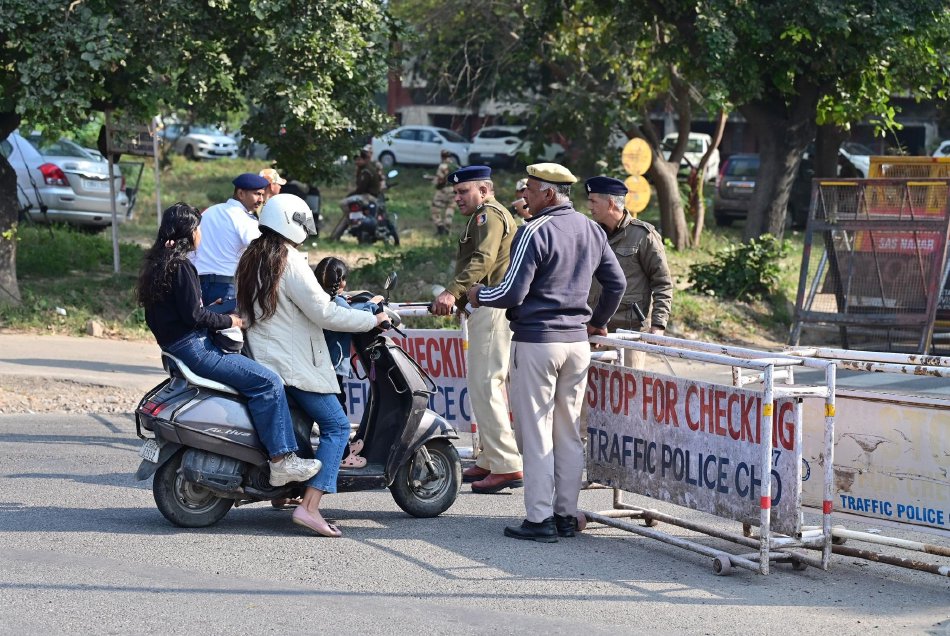
Chandigarh is a modern planned city in northern India, serving as the shared capital of the states of Punjab and Haryana. It is famously known for its architecture and urban design, primarily master-planned by the Swiss-French architect Le Corbusier after India’s independence in 1947. The city is characterized by its organized sectors, open green spaces, and iconic structures like the Capitol Complex.
India
India is a culturally rich and diverse South Asian nation with a history spanning over five millennia, from the ancient Indus Valley Civilization to the Vedic period, the Mughal Empire, and British colonial rule. It is renowned for landmarks like the Taj Mahal, spiritual traditions such as Hinduism and Buddhism, and vibrant festivals like Diwali. Today, India stands as the world’s largest democracy, blending deep-rooted heritage with modern dynamism.
Sector 43
Based on the common use of this term, “Sector 43” most likely refers to a planned residential and commercial area in a modern Indian city, such as Chandigarh or Gurugram. These sectors were developed in the mid-to-late 20th century as part of a larger urban plan to create organized, self-contained neighborhoods. Today, Sector 43 is typically a bustling locality with markets, housing complexes, and offices, representing the structured growth of these cities.
Delhi March
“Delhi March” does not refer to a specific place or cultural site. It is a term used for large-scale protest marches or processions that take place in the city of Delhi, India. These marches are a form of public demonstration on various social and political issues and are a recurring part of the city’s modern political history.
United Farmers Front
The United Farmers Front is not a specific physical place or cultural site, but rather a political movement. It was a coalition of farmers’ organizations in India, primarily active in the 1980s, that sought to influence national agricultural policy and secure better economic conditions for the farming community. Its history is tied to broader farmer agitations and the political mobilization of rural India.