Beautiful China Tour: Scenic Mountains and Rivers, Warm Cities and Countryside – Discovering China’s New Era Beauty
Traveling across the country, witnessing the unique charm of the land. Journeying along the way, culture, tourism, people’s livelihoods, and ecology blend together, showcasing the vitality and warmth of beautiful China.
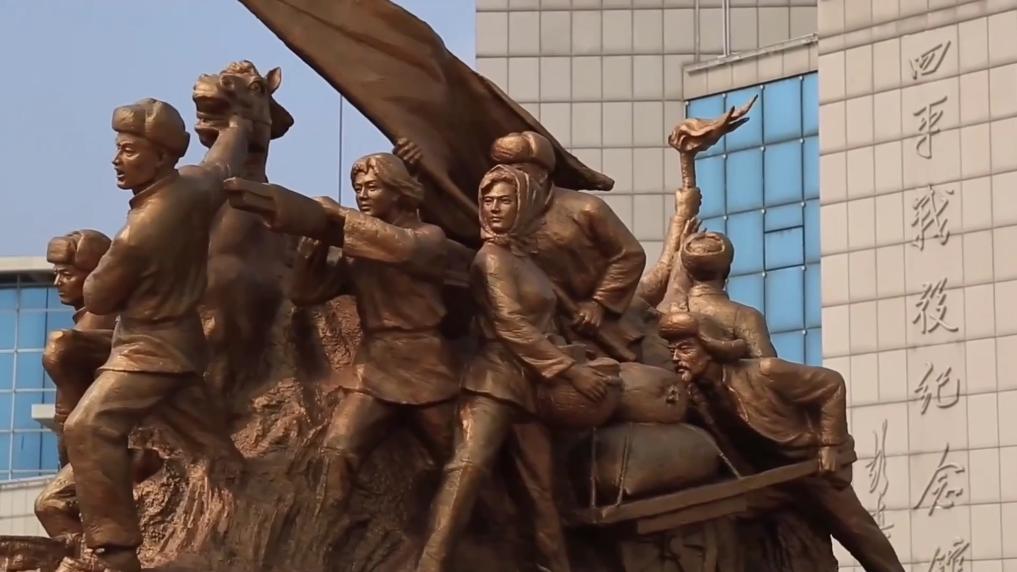
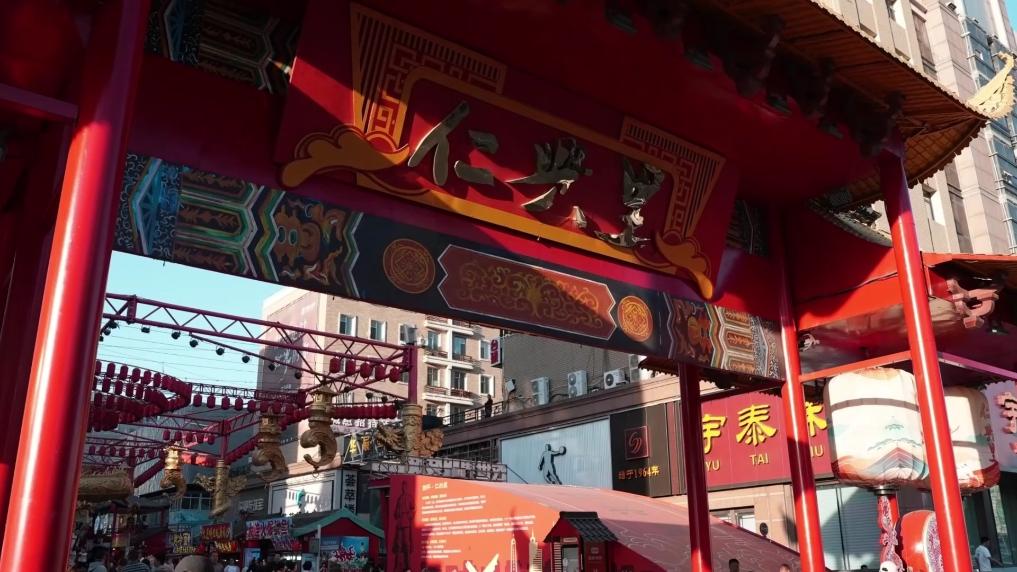
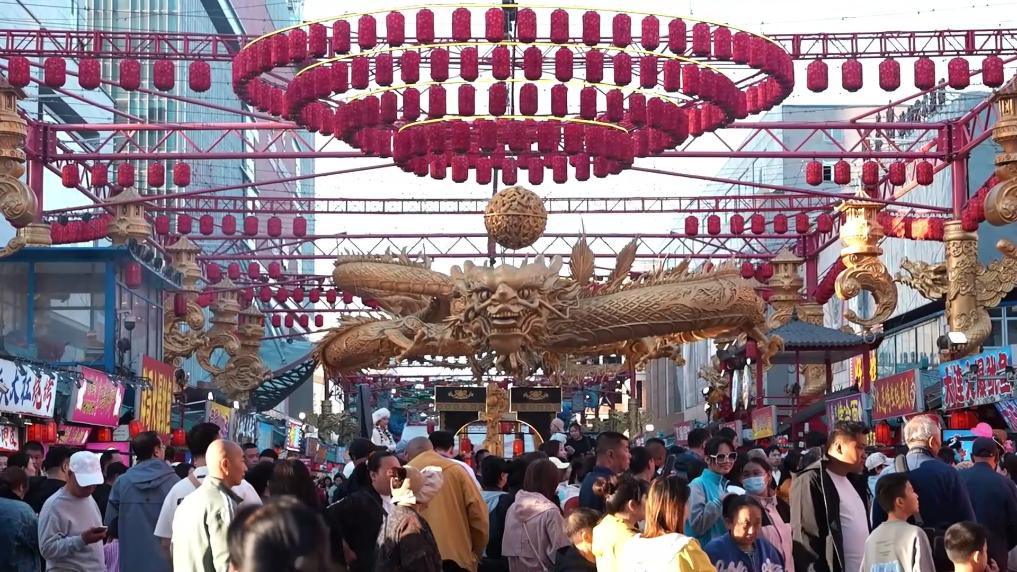
■ Renxingli in Siping: Flames of Red Spirit Rise in Bustling Streets, Passing the Torch in the ‘Hero City’
Siping, a small northeastern city engraved with heroic marks. Though the flames of the four battles of Siping have long faded, the heroic spirit continues to permeate the city’s everyday life, passed down from generation to generation.
Renxingli, named after martyr Ma Renxing who fell in the four battles of Siping. One character carries remembrance, one alley holds the warmth of daily life, allowing the hero’s name to embrace the warmth of the community.
The sense of pride in daily life is a heartfelt tribute to the ‘Hero City’ and a vivid testament to the passing down of red genes. The area has also carefully designed a Siping cultural tourism ‘passport’ for visitors to stamp along the way, capturing red memories.
■ Chongqing: 15-Minute Living Service Circle Creates Happiness at the Doorstep
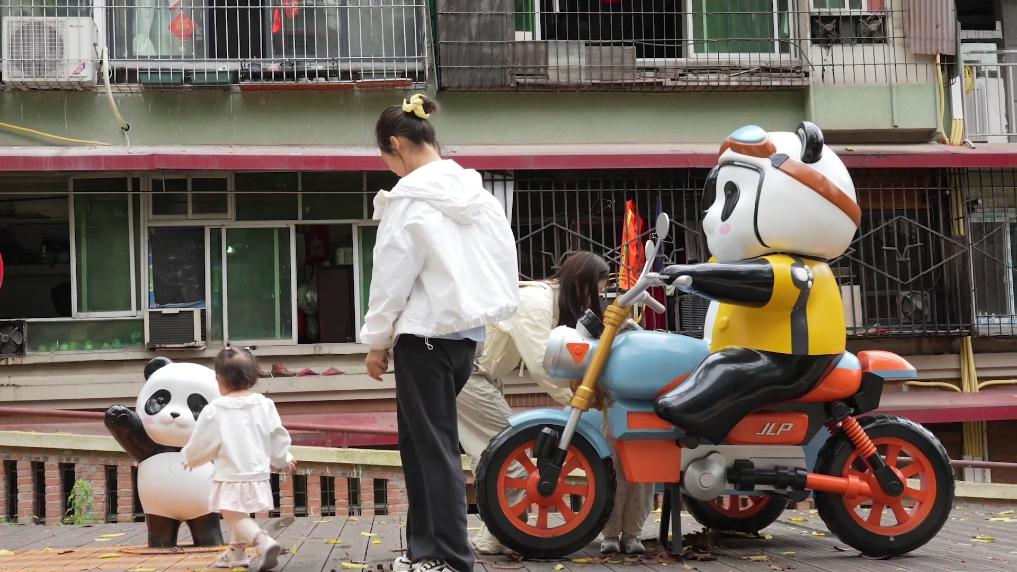
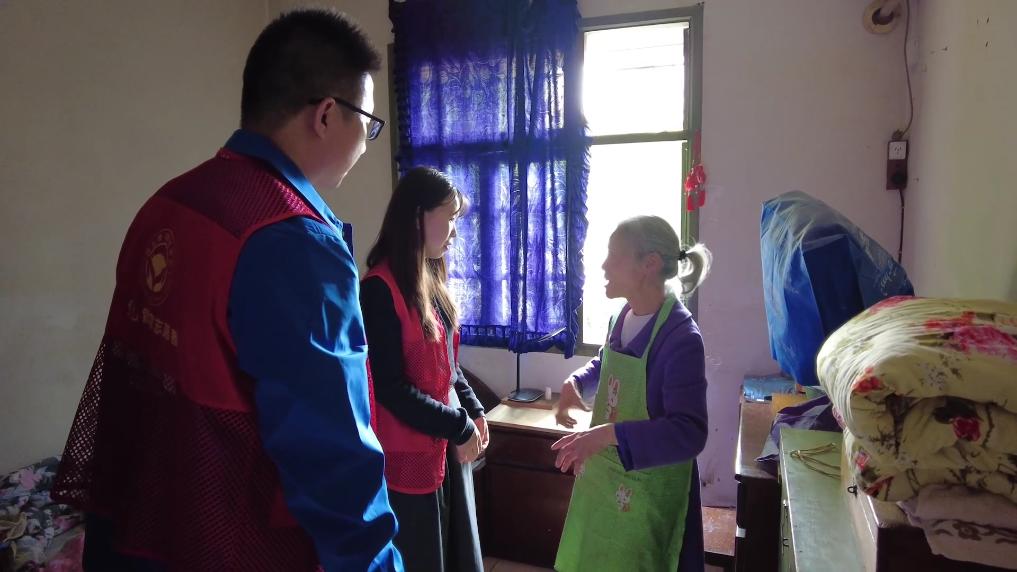
In 15 minutes, what can you do in the mountainous city of Chongqing? Democracy Village, hidden in the city center, might provide the answer.
‘Three inquiries to the people’: asking about needs, asking for advice, and asking about results. This is another ‘micro-innovation’ by Democracy Village Community to fully build a ’15-minute high-quality living service circle.’ For several consecutive years, Democracy Village Community has been advancing the construction of the ’15-minute high-quality living service circle’ by improving infrastructure and upgrading public services beneficial to the people.
■ Night Tour of Lanzhou: Nightlife Experience Along the Yellow River
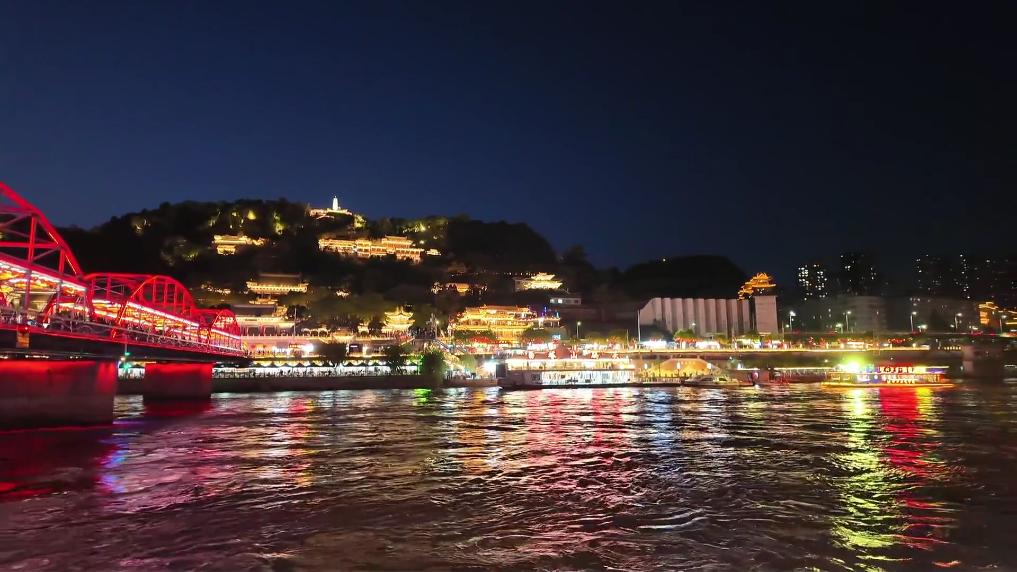
Recently, the Lanzhou Cultural Tourism Group has integrated artistic stages along the banks of the Yellow River, leveraging various popular spots along the Yellow River scenic route, to enrich the night tour experience of the Yellow River.
The performances are held every evening simultaneously at the Yi Yuan Waterfront Platform along the Lanzhou section of the Yellow River, the west side of Lanzhou Concert Hall, the east side of Lanzhou City Planning Museum, the east side of the main sculpture in Lily Park, and the mobile stage at Zhongshan Bridge. They will continue until the end of this year’s National Day. The performances include both local Lanzhou cultural works and instrumental performances of Silk Road culture, as well as ethnic dance displays.
Renxingli is a historic residential area in Tianjin, China, known for its well-preserved traditional Chinese courtyard houses and early 20th-century architecture. Originally developed during the late Qing Dynasty and Republican era, it was designed as a modern residential community blending Eastern and Western styles. Today, it serves as a cultural heritage site, offering a glimpse into Tianjin’s urban history and the lifestyle of its former residents.
Siping
Siping is a city in Jilin Province, China, historically known as a key railway junction and a site of major conflict during the Chinese Civil War, particularly the brutal Battle of Siping in 1946. Today, it serves as an important industrial and agricultural hub in Northeast China, with landmarks like the Siping Battle Memorial Hall commemorating its wartime past.
Democracy Village
Democracy Village was a protest encampment set up in 2011 on the sidewalk outside St. Paul’s Cathedral in London as part of the global Occupy movement. It served as a symbolic space for activists to demonstrate against economic inequality and corporate influence in politics, lasting for several months before being forcibly removed by authorities in early 2012. The site gained international attention for its role in sparking broader conversations about democratic participation and social justice.
Chongqing
Chongqing, a major city in southwestern China, is known for its dramatic mountainous landscape and its role as a key industrial and transportation hub. Historically, it served as the wartime capital of the Republic of China during the Second Sino-Japanese War (1937-1945) and has since grown into a bustling metropolis. Its cultural sites include the ancient Ciqikou town and the iconic Hongya Cave, which blend traditional architecture with modern urban life.
Yellow River
The Yellow River, known as the “Mother River” of China, is the country’s second-longest river and the cradle of ancient Chinese civilization, with settlements along its banks dating back over 4,000 years. Its history is marked by both life-giving irrigation and devastating floods, which led to the construction of extensive dikes and water management projects throughout dynasties. Today, the river remains a powerful symbol of Chinese heritage and resilience, despite facing modern challenges like pollution and water scarcity.
Lanzhou Concert Hall
Lanzhou Concert Hall, located in the heart of Lanzhou, Gansu Province, is a prominent cultural venue known for its modern architecture and excellent acoustics. Opened in the early 21st century, it has hosted a wide range of performances, from classical music to traditional Chinese opera, contributing to the city’s vibrant arts scene. The hall stands as a symbol of Lanzhou’s cultural development and serves as a key gathering place for both local and international artists.
Lanzhou City Planning Museum
The Lanzhou City Planning Museum showcases the urban development and future vision of Lanzhou, the capital of Gansu Province. Opened in recent years, the museum uses interactive exhibits and scale models to illustrate the city’s transformation along the Yellow River, from its ancient origins as a key Silk Road outpost to its modern role as an industrial and transportation hub. It serves as an educational space for residents and visitors to understand the planning strategies shaping Lanzhou’s growth and sustainability.
Zhongshan Bridge
Zhongshan Bridge, also known as the “Iron Bridge,” is a historic steel-truss bridge spanning the Yellow River in Lanzhou, China. Completed in 1909 during the late Qing Dynasty, it was the first permanent bridge to cross the Yellow River and was built with materials and engineering expertise from Germany. Today, it stands as a beloved landmark and pedestrian walkway, symbolizing Lanzhou’s modern development and cultural heritage.