
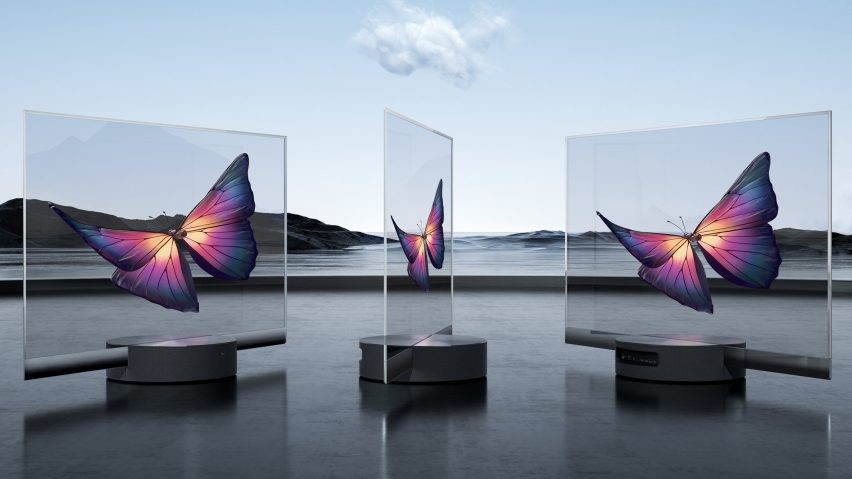
Recently, news about transparent screens on Shenzhen’s subway Line 6 and Beijing’s subway Line 10 has attracted attention: such an “intelligent train passenger service system” has appeared in the windows. These transparent screens, integrated into the windows, can not only show weather and website information but also browse the internet, watch videos, and visit online stores.
Furthermore, a recent product launch featured a transparent TV priced at 50,000 yuan, making transparent display technology even more prominent. Based on supply chain information, it is almost certain these transparent display panels come from LG Display. Currently, there are not many manufacturers supplying transparent display panels. It is said that Samsung decided to discontinue production of such panels in 2016. These products are still far from widespread adoption.
In fact, transparent display technology has been in development for at least 10 years. It seems that around that time, more or less, we would see a transparent TV or screen at trade fairs. They take various forms, perhaps a transparent TV, a transparent cabinet door, or even a transparent mobile phone.
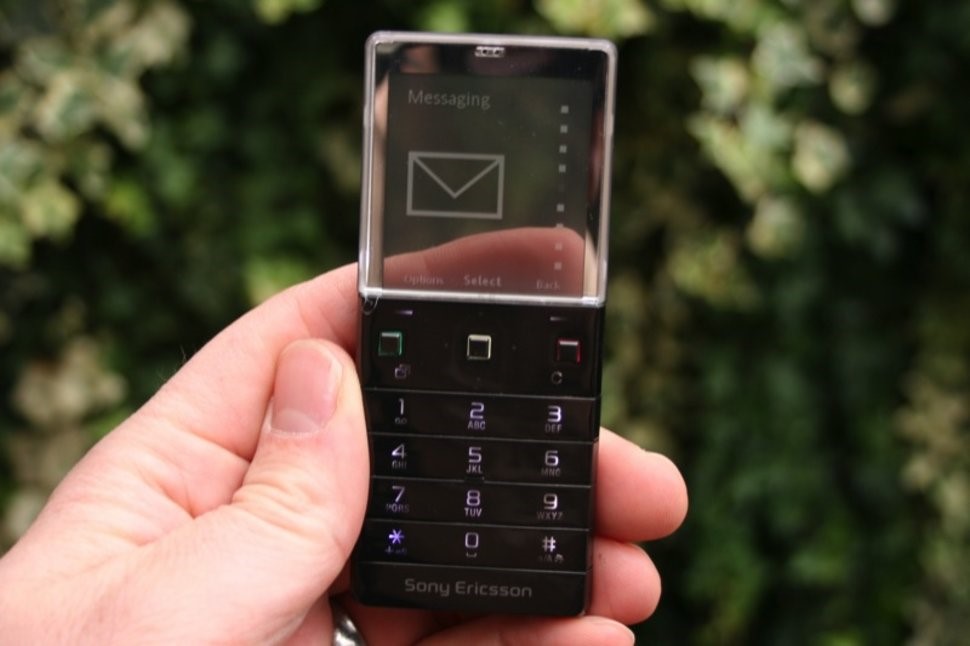
Back around 2009, a transparent phone called the Xperia Pureness X5 stood out because its transparent screen was so cool—even though it was not mass-produced and had only basic phone functionality.
The last time transparent screens gained significant attention was at CES 2016, when Panasonic introduced a transparent display in the form of a cabinet door, dubbed the “invisible TV”; when not in use, it looked like ordinary transparent glass cabinet doors. When turned on, it displayed a moving picture. Last year, Panasonic again showcased its transparent OLED TV, but it remained a concept product.
The fact that such products generate so much buzz may be linked to their strong futuristic feel—after all, science fiction films are full of high-quality transparent displays. This has been common in Marvel superhero films for years. This article aims to briefly explain the basic principles of transparent displays and how far they are from entering our daily lives.
Transparent Display? You Can Make One Yourself
Transparent display technology exists in various forms, such as LCD and OLED, which can be made transparent. Setting aside some non-traditional transparency technologies like Google Glass and Microsoft HoloLens: these augmented reality (AR) glasses sometimes have properties of 3D displays.
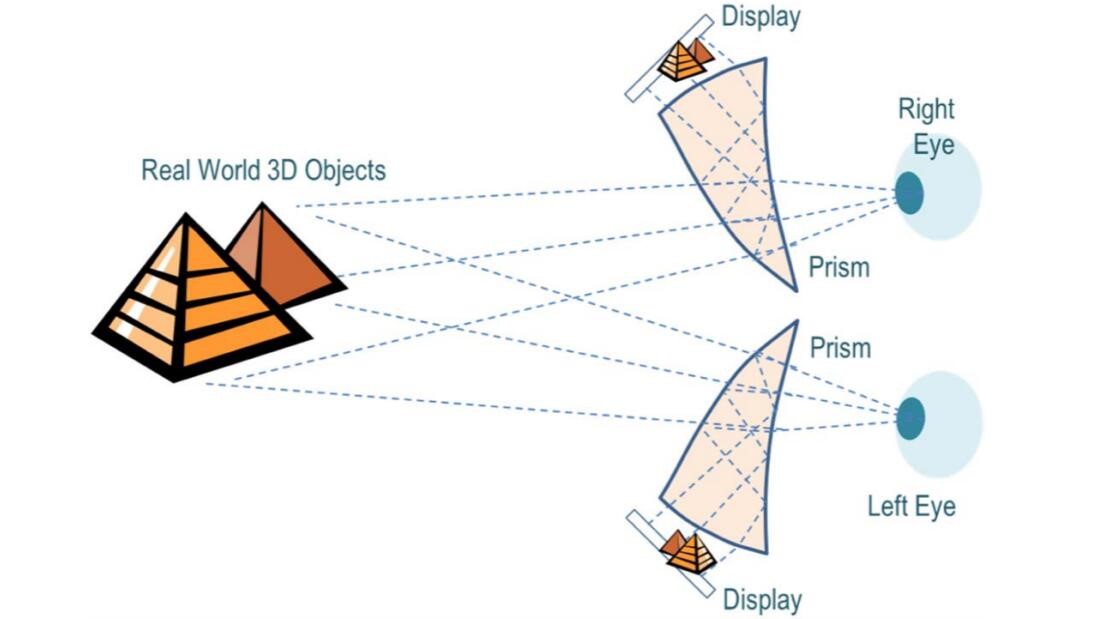
Furthermore, MIT is working on a passive transparent display system using nanoparticle technology—a solution that uses a projector as an external light source to project images onto a transparent medium embedded with nanoparticles, which partially displays the projected image. Some modern transparent display technologies use similar projection schemes. These schemes are cheaper but are not the mainstream for transparent displays, at least not yet.
In recent years, the transparent displays we have witnessed are generally LCD or OLED. It seems like going back to the time we recently discussed flexible screens, where we divided them into OLED flexible screens and LCD flexible screens. So how do these two types of panels make themselves transparent?
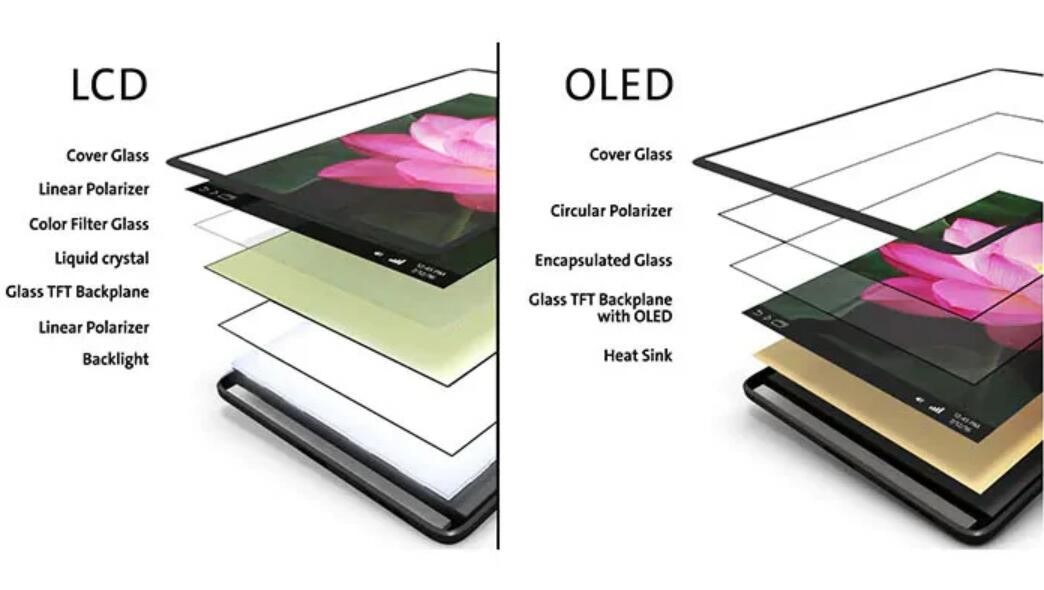
Without delving into the detailed structure of LCD and OLED screens, the basic idea is that they are stacked in several layers, regardless of the panel type. The display is divided into many different layers, each playing a different role—and these layers are stacked together to make up the panel and display. The difference between LCD and OLED lies in the fact that the hierarchical structure of the two panel types is completely different.
As mentioned in the introduction to the article on flexible screens, to achieve display flexibility, essentially every layer must be bendable; the same applies to transparent screens. To make them transparent, each layer must be transparent (or have a certain degree of light transmission).
Shenzhen’s subway Line 6
Beijing’s subway Line 10
Xperia Pureness X5
Therefore, it does not have a history in the traditional cultural or geographical sense, but rather a history as a consumer electronics product from the late 2000s.