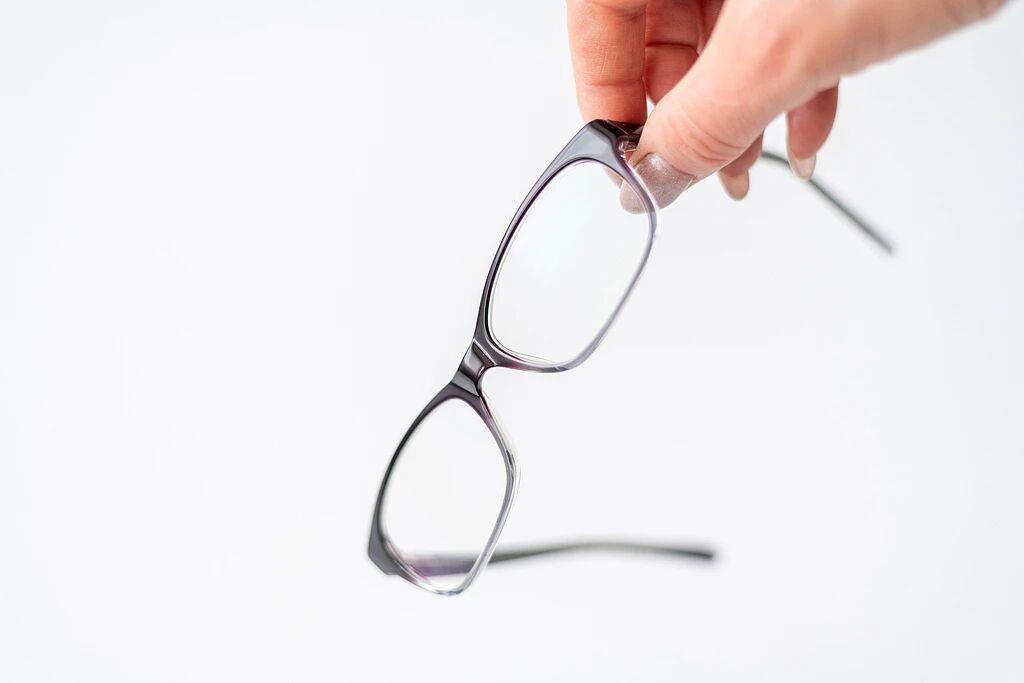
Recently, education examination agencies in multiple provinces have issued notices indicating new changes in security checks for this year’s college entrance exam. Before entering the exam hall, candidates wearing or carrying glasses will be inspected. Carrying mobile phones, smartwatches (wristbands), smart glasses, etc., whether used or not, will constitute cheating once brought into the exam hall.
Preparing for the college entrance exam: what to bring, what not to bring, and how to quickly pass security checks without affecting exam performance? Here’s a clear guide.
“Bringing into the exam hall constitutes cheating”
New changes in this year’s college entrance exam security checks
On June 2, the Ministry of Education issued a warning message for the college entrance exam, reminding candidates to take the exam with integrity. Regardless of the reason or whether used, carrying mobile phones, smartwatches (wristbands), smart glasses, etc., into the exam hall will constitute cheating.
Glasses become a focus of inspection this year
Education examination agencies in Shanghai, Fujian, Inner Mongolia, Hebei, and other regions have issued notices that before entering the exam hall, candidates wearing or carrying glasses will be inspected.
Candidates wearing or carrying glasses must remove them under video surveillance, place them on the desk, and undergo a special inspection by the invigilator. Candidates who usually wear smart glasses in daily life and study need to prepare ordinary optical glasses in advance.
Strengthened detection of metal items
Addition of smart security gates and invigilator metal detector patrols
Furthermore, this year’s college entrance exam has further strengthened the detection of metal items in many regions. At the entrance of the exam venue, smart security gates will check whether candidates are carrying various prohibited items. At the classroom door, invigilators will use metal detectors under video surveillance to conduct another check for prohibited items. When candidates leave the exam hall with permission during the exam and return, they must undergo security checks again.
Quickly passing security checks
These items should not be brought
In addition to mobile phones, smartwatches (wristbands), and smart glasses, the following items cannot pass security checks. When preparing items, candidates should remember to leave these out:
1
Correction fluid, correction tape
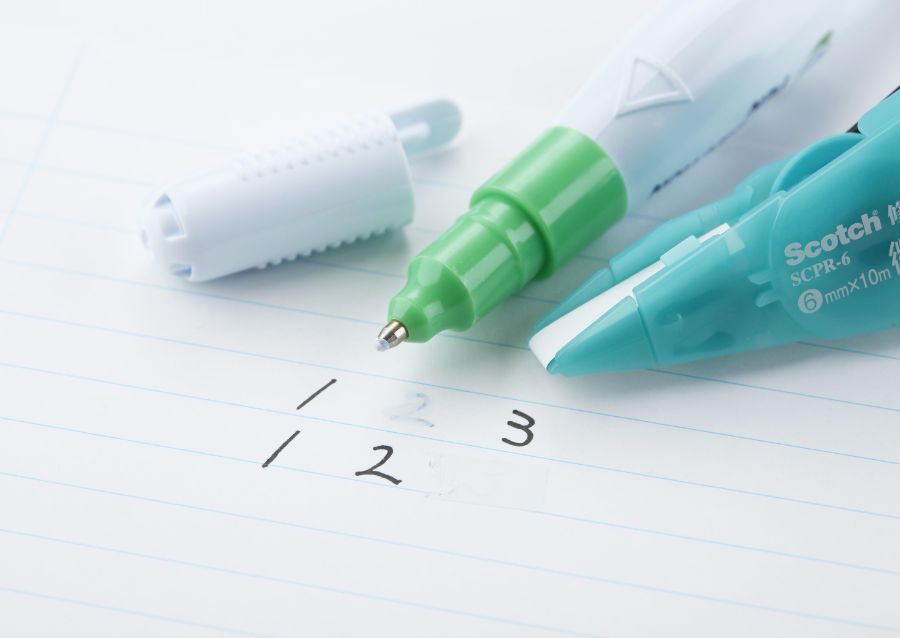
Using correction tools is strictly prohibited in the college entrance exam.
If multiple-choice answers need to be changed, use an eraser to gently erase the incorrect option completely before refilling correctly.
If subjective answers need to be changed, use correction symbols to cross out the wrong content, then write the new answer directly above or below the original answer.
2
Non-standard stationery such as irregular rulers
To prevent cheating and maintain fairness, only standard drawing tools like ordinary rulers, triangles, and compasses are allowed in the exam hall.
Quickly passing security checks
Clothing also matters

Accessories containing metal components such as bracelets, necklaces, hair clips, and clothing with metal zippers can trigger metal detector alarms. To quickly pass security checks, it is recommended that candidates wear clothes without buttons or zippers, shoes without any metal (including laces and eyelets), and for female candidates, underwear without metal hooks or underwires.
Essential items to remember
Prepare in advance to avoid panic
Documents
1
Admission ticket
Candidates can already download and print their admission tickets through the local college entrance exam registration systems. The front and back of the admission ticket must not be altered or written on. If accidentally marked or written on, candidates should reprint it before entering the restricted area