China’s latest space plans: Long March 5B, Beidou, and new-generation crew spacecraft all scheduled.
Today marks the 11th “China Space Day,” and this year also coincides with the 70th anniversary of the founding of China’s space program. What major actions are on China’s space “schedule” this year? And which missions are worth looking forward to? Multiple space experts were interviewed to hear their latest insights.
How has your work changed recently?
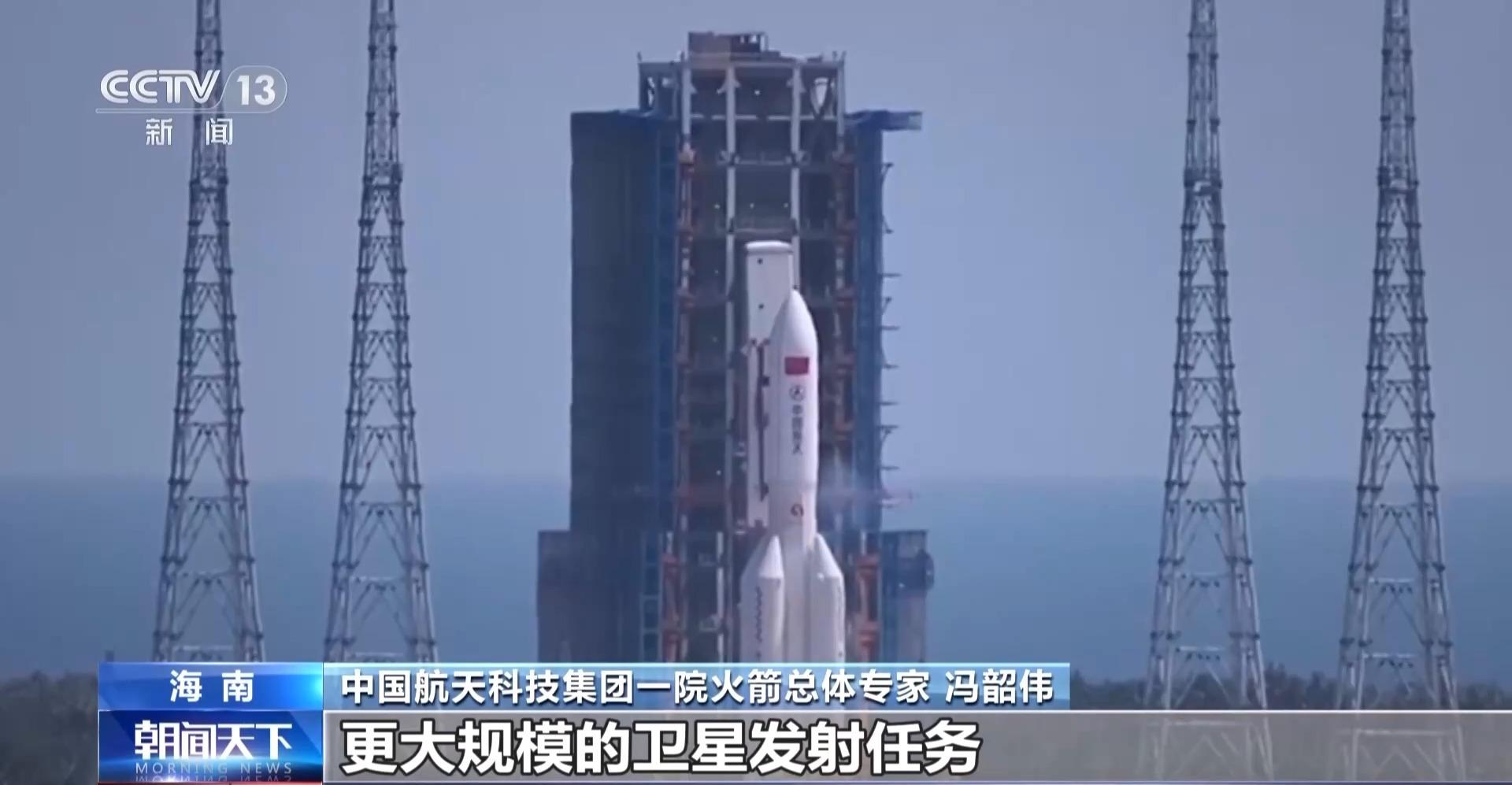
Recently, I have been fully dedicated to the development of the Long March 5 model. This year, we will send Chang’e-7 to the moon, and next year there will be space station missions, possibly the most scientifically valuable space station project in history, launched by the Long March 5B.
Long March 5 and Long March 5B are like two brothers. Will there be any new changes or improvements?
To adapt to future larger-scale satellite launch missions, we may need to develop a new fairing with a larger diameter. We will add another stage on top of the original Long March 5B to achieve the construction tasks of our space station project.
What surprises will Beidou bring us in the future?
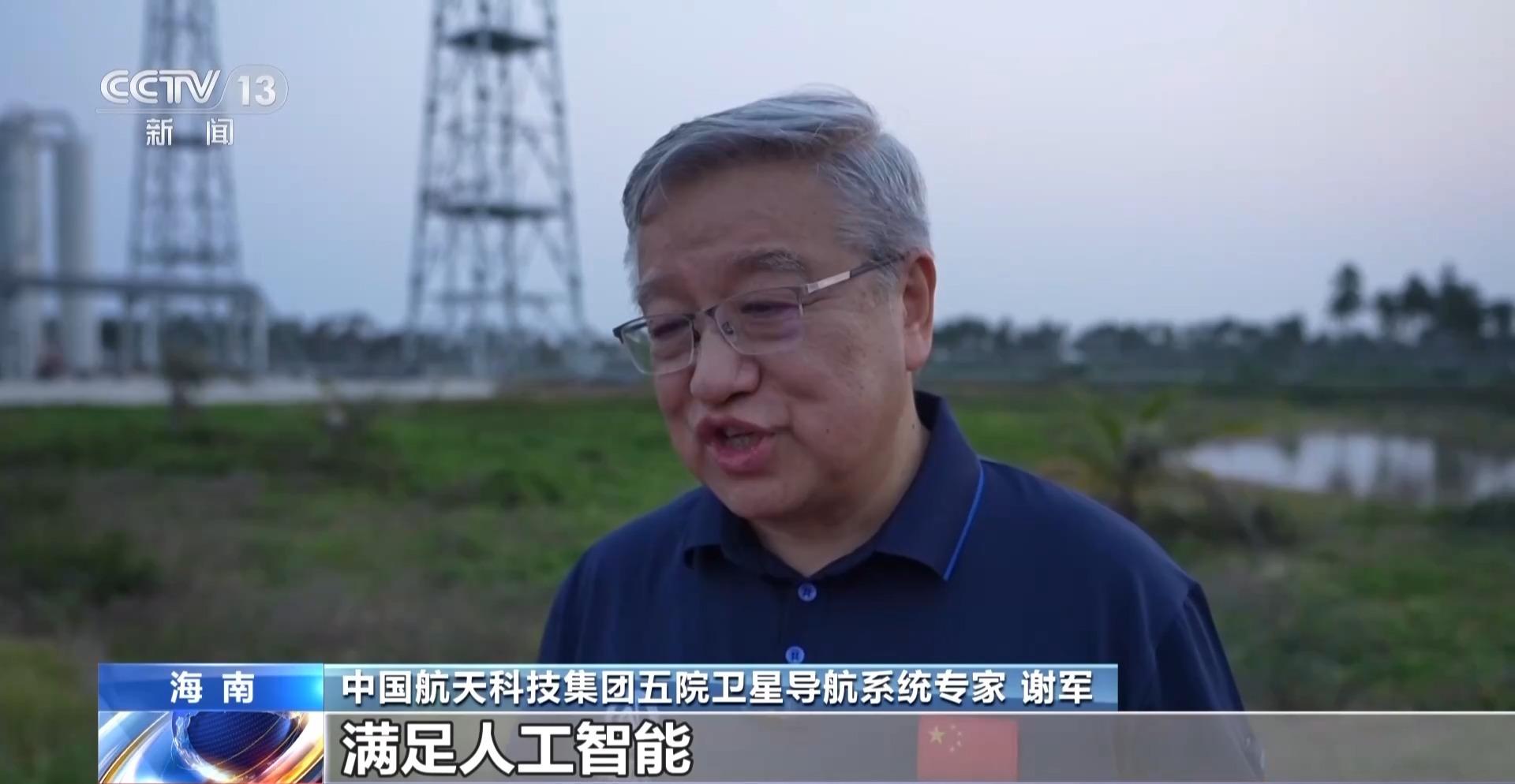
The goals of the next-generation satellite navigation system are already very clear. We will further improve the accuracy of positioning services to meet the requirements of artificial intelligence and future intelligent driving. Second, we will make it less costly and faster for users to access Beidou.
China’s space station has now entered normal operations, bringing many scientific achievements. What highlights can we look forward to in the future?
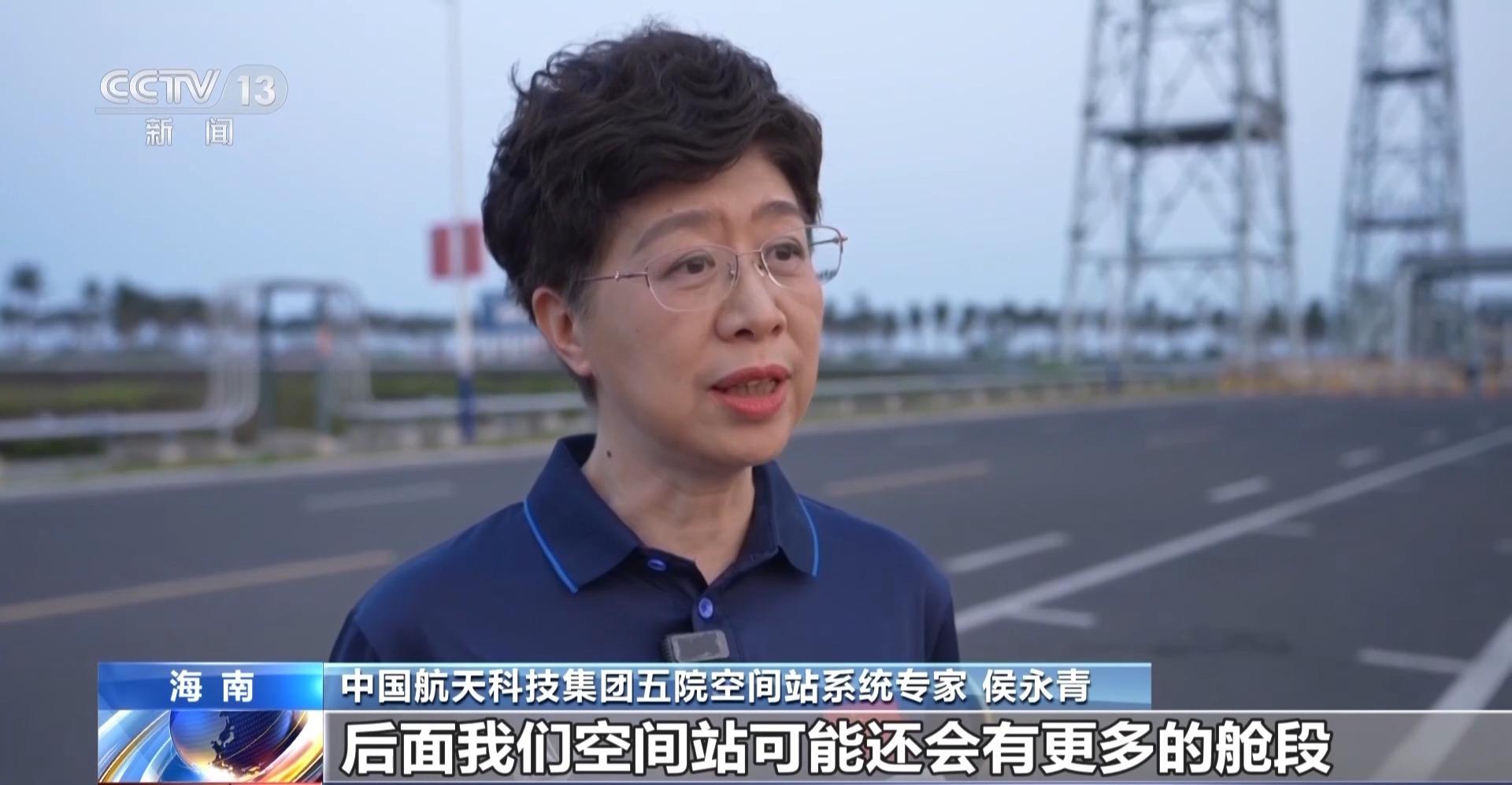
In the future, our space station may have more modules to expand our application capabilities. At the same time, we will also expand our robotic arm capabilities, enabling it to complete more and more complex tasks.
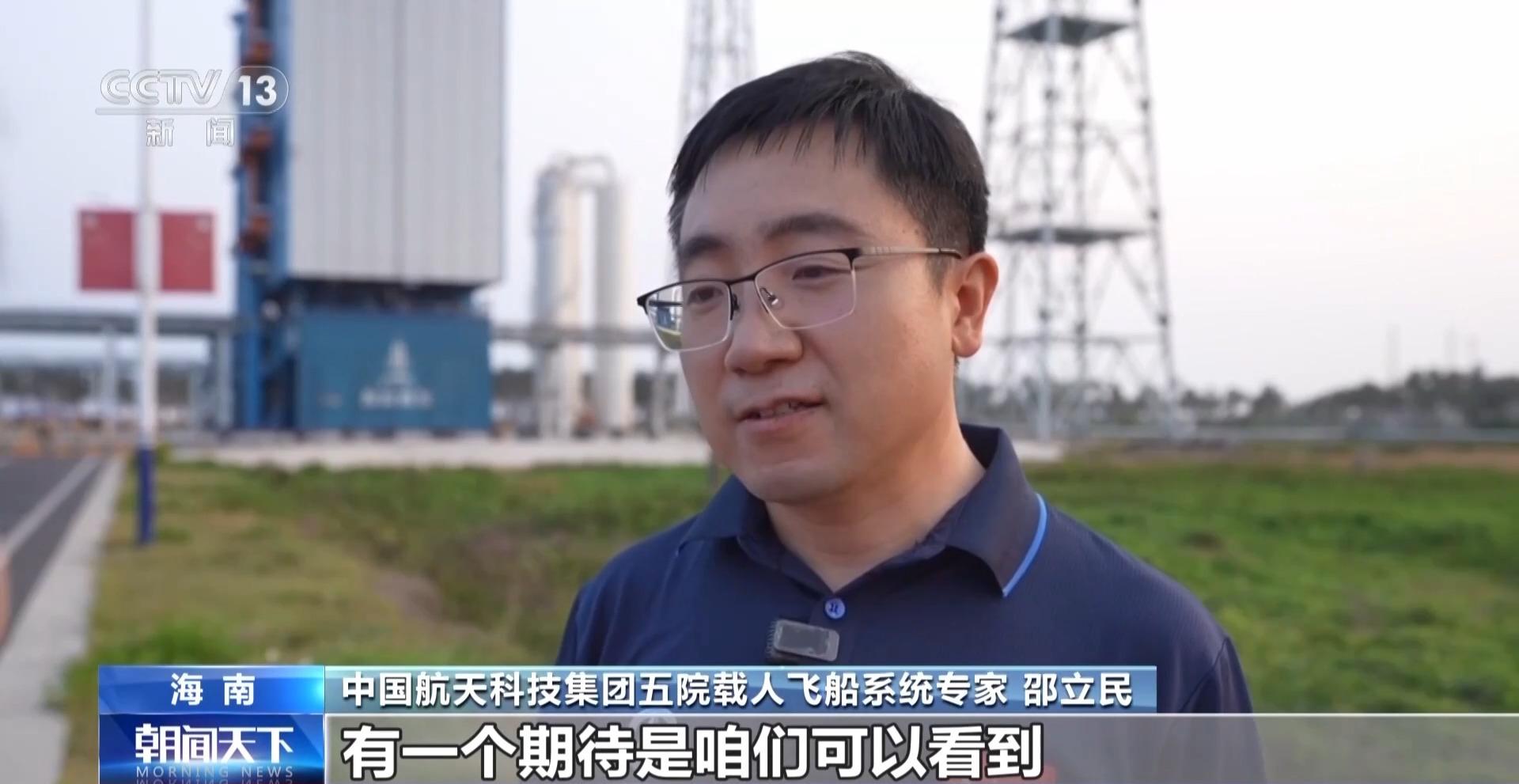
One expectation is to see the new generation of crew spacecraft fly into space, creating a new transportation platform for astronauts traveling between Earth and space. The crewed lunar exploration project has also been steadily advancing over the past two years, and in the near future, people will see Chinese footprints left on the lunar surface.
Long March 5
The Long March 5 is a Chinese heavy-lift launch vehicle developed by the China Aerospace Science and Technology Corporation (CASC), first launched in 2016. It is a key component of China’s space program, enabling missions such as the Tianwen-1 Mars probe and the Chang’e-5 lunar sample return. Its development marked a significant advancement in China’s ability to deploy large payloads, including modules for the Tiangong space station.
Chang’e-7
Chang’e-7 is a planned Chinese lunar exploration mission, part of the Chang’e program, named after the Chinese moon goddess. Scheduled for launch around 2026, it aims to study the moon’s south pole, searching for water ice and surveying the terrain to support future crewed missions. The mission will include an orbiter, a lander, a rover, and a mini-flying probe, building on the successes of earlier Chang’e missions.
Long March 5B
The Long March 5B is a Chinese heavy-lift launch vehicle developed by the China Aerospace Science and Technology Corporation. It first flew in May 2020 and is designed primarily to launch large modules for China’s space station. Its notable missions include delivering the Tianhe core module of the Tiangong space station into orbit.
Beidou
Beidou is a major satellite navigation system developed by China, named after the Chinese term for the Big Dipper constellation. Its development began in the 1990s, with the first satellite launched in 2000, and it achieved global coverage in 2020. Today, Beidou provides positioning, navigation, and timing services worldwide, serving as a key component of China’s space infrastructure.
China’s space station
China’s space station, known as Tiangong (meaning “Heavenly Palace”), is a modular orbital outpost developed by the China National Space Administration. Its construction began with the launch of the core module, Tianhe, in April 2021, and was completed with the docking of the Mengtian lab module in late 2022, marking a major milestone in China’s human spaceflight program. The station is designed for long-term crewed missions and scientific research, reflecting China’s growing capabilities in space exploration.
new generation of crew spacecraft
The “New Generation of Crew Spacecraft” refers to modern, advanced vehicles designed to transport astronauts to destinations like the International Space Station, the Moon, and beyond. Notable examples include NASA’s SpaceX Crew Dragon and Boeing’s Starliner, which were developed under the Commercial Crew Program to restore U.S. human spaceflight capability after the Space Shuttle’s retirement in 2011. These spacecraft represent a shift toward reusable, commercially operated systems, with Crew Dragon successfully launching its first crewed mission in 2020.
crewed lunar exploration project
The crewed lunar exploration project refers to humanity’s ambitious efforts to send astronauts to the Moon, most notably realized by NASA’s Apollo program, which successfully landed the first humans on the lunar surface in 1969. This historic achievement, led by the United States during the Cold War space race, included six manned landings between 1969 and 1972, advancing scientific knowledge and inspiring future generations. Today, renewed projects like NASA’s Artemis program aim to return humans to the Moon, this time with the goal of establishing a sustainable presence.