
Due to heavy rainfall, the water level of the Mei River has continued to rise. At 2:00 p.m. on June 7, the water level at the Xiushan (Second) station on the Mei River in Xiushan County reached 341.75 meters, exceeding the warning level by 0.28 meters. The “Mei River 2026 Flood No. 2” has formed.
Mei River
The Mei River, also known as the Meijiang, is a significant waterway in southern China, flowing through Guangdong Province and playing a key role in the region’s history as a transportation and trade route. Historically, it was part of the ancient Mei Pass and Plum Ridge pathway, which connected the Yangtze River basin to the Pearl River Delta, facilitating cultural and economic exchange between northern and southern China. Today, the river remains a vital ecological and cultural landmark, celebrated for its scenic beauty and historical importance in the development of the Lingnan region.
Xiushan County
Xiushan County, located in Chongqing Municipality, China, is a historic area known for its rich Tujia and Miao ethnic cultures. Its history dates back over a millennium, serving as an important border trading post along the You River. The county is also famous for its scenic landscapes, including the Phoenix Mountain and the ancient Xiushan West Street, which reflect its cultural heritage.
Mei River 2026 Flood No. 2
The “Mei River 2026 Flood No. 2” refers to a significant flood event on the Mei River, likely in China, which occurred as the second major flood of the 2026 season. The flood was characterized by dangerously high water levels, impacting surrounding communities and infrastructure. Historically, the Mei River has experienced periodic flooding, but this event highlighted ongoing challenges in regional flood management and climate adaptation.
Mei River
The Mei River, located in southeastern China, is historically significant as a key waterway during the Qin and Han dynasties, facilitating trade and cultural exchange between the Yangtze and Pearl River regions. It is also known for the Mei Pass, a strategic mountain route that served as a vital transportation link and site of ancient military campaigns. Today, the river and its surrounding area are celebrated for their natural beauty and historical relics, attracting visitors interested in Chinese heritage.
Mei Pass
Mei Pass (Meiguan) is a historic mountain pass located on the border between Jiangxi and Guangdong provinces in China, serving as a vital transportation and military route for over 2,000 years. Originally built during the Qin Dynasty (221–206 BCE), it later became famous as a key checkpoint on the ancient Silk Road and a strategic defensive position. The pass is also renowned for its scenic beauty, particularly its plum blossoms, which have inspired countless poems and cultural references throughout Chinese history.
Plum Ridge pathway
The Plum Ridge pathway is a scenic trail located in the United States, often associated with natural beauty and recreational hiking. Historically, it may have been part of Indigenous travel routes or early settlement paths, though specific historical records are limited. Today, it offers
Mei River
The Mei River, also known as the Mei Jiang, is a significant waterway located in Jiangxi Province, China. Historically, it served as a crucial transportation route for the region, particularly during the Tang and Song dynasties, facilitating the trade of local goods such as tea and porcelain. Today, the river is celebrated for its scenic beauty and cultural heritage, often associated with ancient villages and traditional Hakka settlements along its banks.
Mei Pass
Mei Pass, also known as Meiguan, is a historic mountain pass located on the border between Guangdong and Jiangxi provinces in China. It served as a crucial transportation and military route since the Qin Dynasty, connecting the Central Plains with the Lingnan region. The pass is also famous for its plum blossoms and has been celebrated in Chinese poetry, notably by the Song Dynasty poet Wen Tianxiang.
Plum Ridge pathway
The Plum Ridge pathway is a scenic hiking trail located in the Great Smoky Mountains National Park, known for its lush forests and panoramic mountain views. Originally used by early settlers and later incorporated into the park’s trail system, it follows a historic route that connected remote communities in the region. Today, it offers visitors a peaceful journey through diverse ecosystems and a glimpse into the area’s Appalachian heritage.
Xiushan County
Xiushan County, located in Chongqing Municipality, China, is a culturally rich area historically tied to the Miao and Tujia ethnic groups. Its name, meaning “elegant mountain,” reflects its scenic karst landscapes and traditional architecture. The county has long been a crossroads for trade and ethnic exchange, with its history dating back to ancient times as part of the Ba Kingdom.
Phoenix Mountain
Phoenix Mountain, located in various regions across China, is often associated with scenic beauty and ancient temples. The most famous Phoenix Mountain is in Shenzhen, Guangdong, where it is home to the historic Fengyan Temple, originally built during the Song Dynasty (960–1279) and later expanded. The mountain is named for its resemblance to a phoenix in flight and remains a popular destination for hiking and cultural tourism.
Xiushan West Street
Xiushan West Street is a historic commercial street located in the ancient town of Xiushan, in Chongqing, China. It dates back to the Ming and Qing dynasties and has served as a bustling hub for trade and local culture, featuring well-preserved traditional architecture and cobblestone pathways. Today, it remains a popular destination for visitors seeking to experience the area’s rich history, local snacks, and folk customs.
You River
The You River is a significant waterway in China, historically known as the site of the Battle of Fei River during the Eastern Jin Dynasty (383 AD), where a smaller Jin force famously defeated the larger Former Qin army. This river flows through modern-day Anhui Province and is often referenced in Chinese literature and history for its role in this pivotal military conflict. Today, it remains a notable cultural and historical landmark in the region.
Meiguan
Meiguan, meaning “Plum Pass,” is a historic mountain pass located on the border between Jiangxi and Guangdong provinces in China. It served as a crucial transportation and military route for over a thousand years, particularly during the Tang and Song dynasties, and was also a famous site for viewing plum blossoms. Today, it stands as a cultural landmark, commemorating its role in ancient trade and the poetic inspiration it provided to many Chinese scholars.
Related news
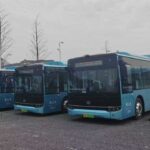
123 new energy pure electric vehicles launched, put into operation on 12 bus routes.
News Article
Major Breakthrough in ...
The 21.17-kilometer-long extra-long tunnel, the first of its kind exceeding 20 kilometers on the Chongqing-Kunming high-speed railway, has been completed.
On August 19, the Binghui Tunnel, a critical contr...

Fastest Female Nurse Zhang Shuihua Returns to Racing After Resignation, Places Sixth in Women’s Division at Chongqing Marathon
The 2026 Chongqing Marathon started at the Misty R...
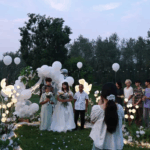
Surviving “Five Critical Condition Notices in Ten Days,” Chongqing Girl Marries Herself.
In August of this year
While receiving treatment a...