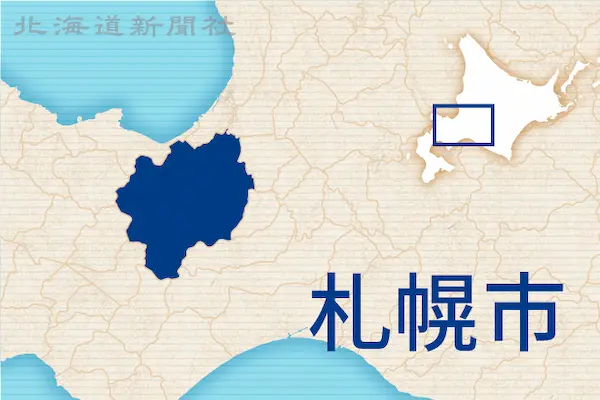
Around 7:50 a.m. on the 9th, at an apartment in Minami 17, Nangō-dori, Shiroishi-ku, Sapporo, a relative of a resident called 110, reporting that “when I visited, the door was locked and wouldn’t open.” Officers from the Sapporo Shiroishi Police Station rushed to the scene and found three unconscious women in the bathroom. All three were confirmed dead at the scene. A briquette was also found in the bathroom, and the police are working to confirm the identities of the three, while investigating the possibility that they attempted suicide.
Sapporo
Sapporo is the largest city on Japan’s northern island of Hokkaido, known for its modern urban planning and the famous Sapporo Snow Festival. Originally a small settlement, it was developed in the late 19th century under the guidance of American agricultural advisors, which influenced its grid-like street layout. Today, it is celebrated for its beer, ski resorts, and as the host city of the 1972 Winter Olympics.
Nangō-dori
Nangō-dori is a street in Minato, Tokyo, located near the historic Sengaku-ji temple, which is famous for the graves of the 47 Ronin. The area has historical significance tied to the Edo period and the story of these masterless samurai who avenged their lord’s death. Today, Nangō-dori is a quiet, tree-lined avenue that retains a traditional atmosphere while blending into the modern cityscape.
Shiroishi-ku
Shiroishi-ku is a ward in the city of Sapporo, Japan, known for its blend of urban development and natural beauty. Historically, the area developed as a key transportation hub, with the Shiroishi Station playing a significant role in connecting Sapporo to other regions since the early 20th century. Today, it features residential neighborhoods, parks, and cultural sites that reflect its growth from a rural area into a modern suburban district.
Sapporo Shiroishi Police Station
The Sapporo Shiroishi Police Station is a local law enforcement facility located in the Shiroishi ward of Sapporo, Japan. Established to serve the community, it oversees public safety and crime prevention in the area, a district that developed significantly after Sapporo’s founding in the late 19th century. The station reflects the city’s structured urban planning and commitment to maintaining order as Sapporo grew into a major northern metropolis.
Sengaku-ji
Sengaku-ji is a Buddhist temple in Tokyo, Japan, best known as the burial site of the 47 Ronin, the masterless samurai who avenged their lord’s death in the early 18th century. The temple was originally founded
</
Sapporo
Sapporo is the capital city of Hokkaido, Japan’s northernmost island, and is renowned for its modern urban planning and the annual Sapporo Snow Festival, which features massive ice and snow sculptures. Originally developed in the late 19th century as a colonial settlement, the city was designed with a grid layout inspired by Western models, notably by American advisor Edwin Dun. Today, Sapporo is famous for its beer, skiing, and as the host of the 1972 Winter Olympics, blending its frontier history with vibrant contemporary culture.
Nangō-dori
Nangō-dori is a historic street located in the Minato ward of Tokyo, Japan, known for its connection to the former Nangō family, a prominent samurai clan during the Edo period. The area retains a sense of old Tokyo, with traditional architecture and a quieter atmosphere compared to the bustling city center. Today, it serves as a cultural landmark, offering visitors a glimpse into the residential and historical fabric of Japan’s feudal past.
Shiroishi-ku
Shiroishi-ku is a ward located in Sapporo, Hokkaido, Japan, known for its blend of urban development and natural surroundings. Historically, the area developed as a transportation hub after the establishment of the Sapporo Railway in the late 19th century, contributing to its growth as a residential and commercial district. Today, it features parks, shopping areas, and cultural sites like the Sapporo Beer Museum, reflecting its evolution from a rural area to a key part of Sapporo.
Sapporo Shiroishi Police Station
The Sapporo Shiroishi Police Station serves as the local law enforcement headquarters for the Shiroishi ward of Sapporo, Japan. While specific historical details about this station are limited, it operates as part of the broader Sapporo police network, which has developed alongside the city’s growth since the late 19th century. The station plays a key role in maintaining public safety and order in this residential and commercial district of Hokkaido’s capital.
Sengaku-ji
Sengaku-ji is a Buddhist temple in Tokyo, best known as the final resting place of the Forty-Seven Ronin, a group of masterless samurai who avenged their lord’s death in 1703. The temple’s cemetery contains their graves, which remain a popular site for paying respects and learning about this iconic story of loyalty and honor in Japanese history.
Sapporo Snow Festival
The Sapporo Snow Festival is an annual winter event held in Sapporo, Japan, featuring spectacular snow and ice sculptures. It began in 1950 when local high school students built six snow statues in Odori Park, and has since grown into a world-famous festival attracting millions of visitors. The event typically takes place in early February, showcasing intricate sculptures created by both amateur and professional artists.
1972 Winter Olympics
The 1972 Winter Olympics were held in Sapporo, Japan, marking the first time the Games were hosted in Asia. Originally awarded to Sapporo in 1966, the event showcased Japan’s post-war recovery and modernization, featuring 35 nations and 1,006 athletes competing in 35 events. The Games are remembered for the dominance of Dutch speed skater Ard Schenk, who won three gold medals, and the controversial disqualification of Austrian skier Karl Schranz for professionalism.