This time, we received information about an event to be held in Osaka City!
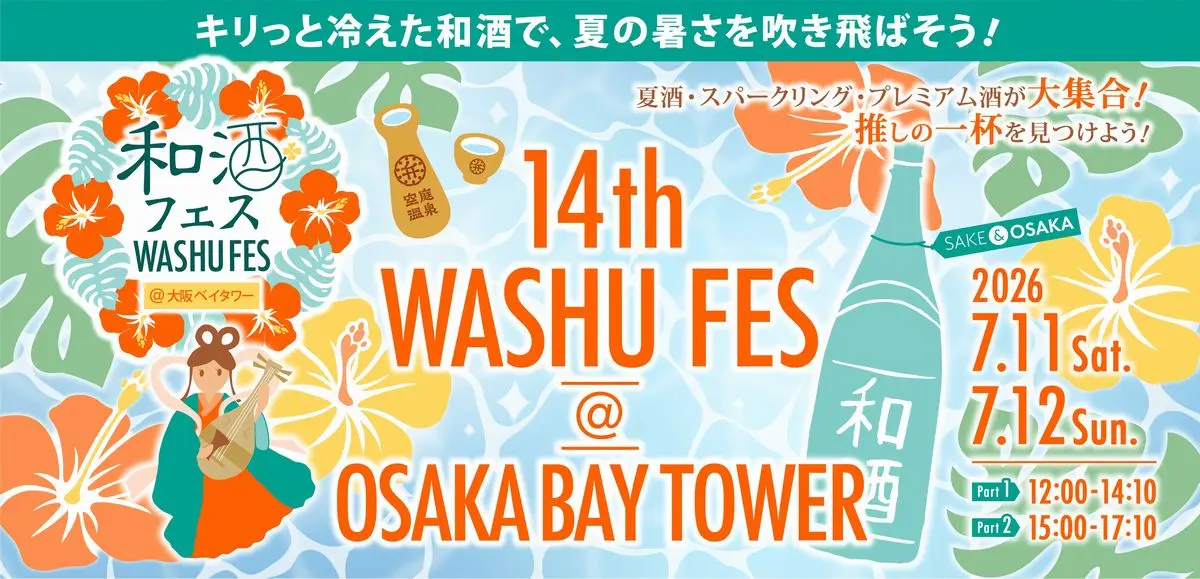
According to the information received, the “14th Japanese Sake Festival @ Osaka Bay Tower” will be held from July 11, 2026 (Saturday) to July 12, 2026 (Sunday)!
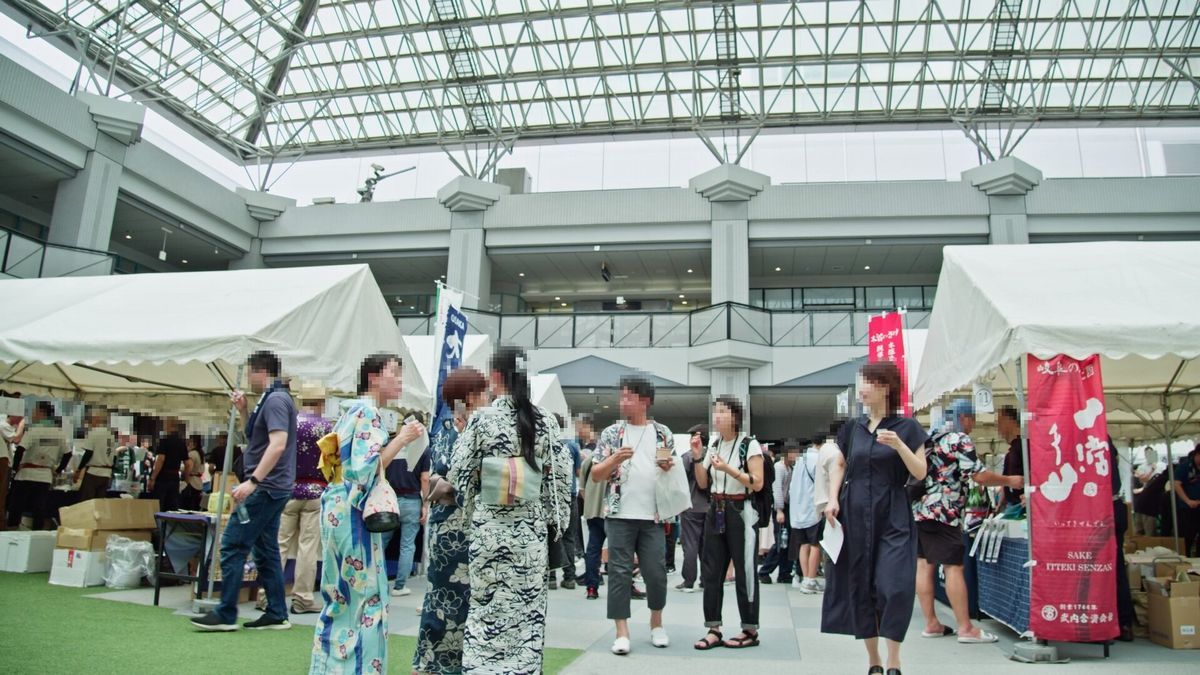
The venue is the 2nd floor Atrium Plaza of “Osaka Bay Tower,” located at 1-chome, Benten, Minato-ku, Osaka City.
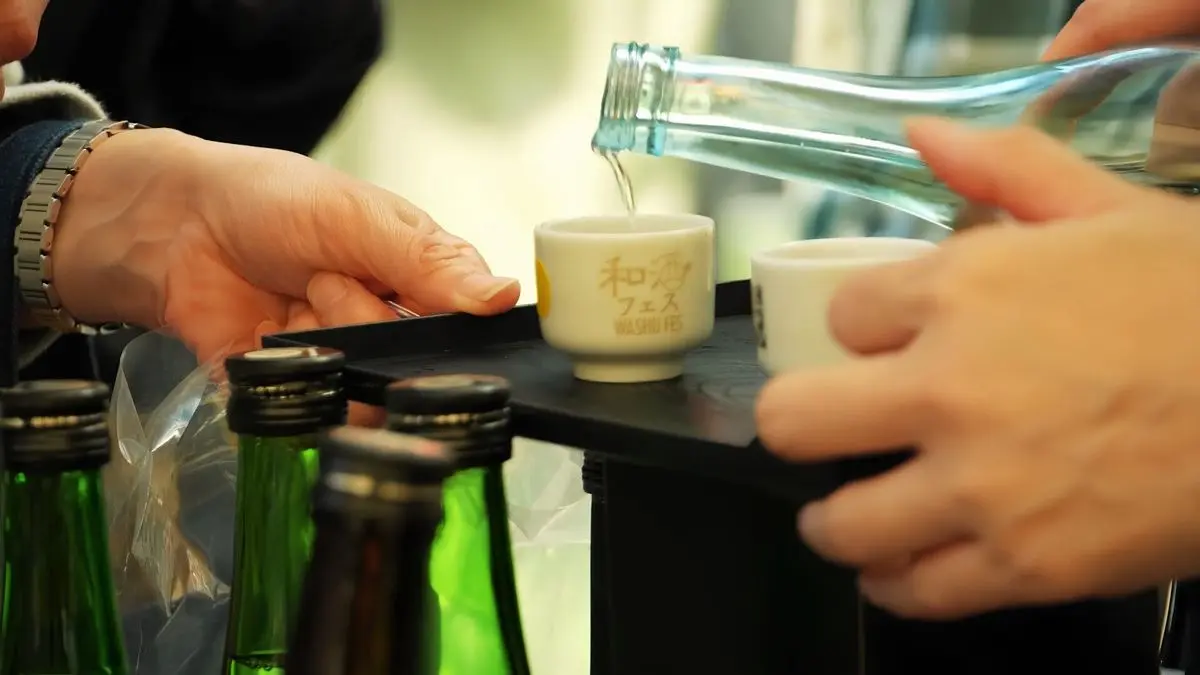
The “14th Japanese Sake Festival @ Osaka Bay Tower” is a tasting event where you can purchase a tasting pass and freely sample Japanese sake, liqueurs, plum wine, amazake (sweet rice drink), and other traditional Japanese alcoholic beverages gathered from all over the country, under the event theme: “Let’s blow away the summer heat with ice-cold Japanese sake!”
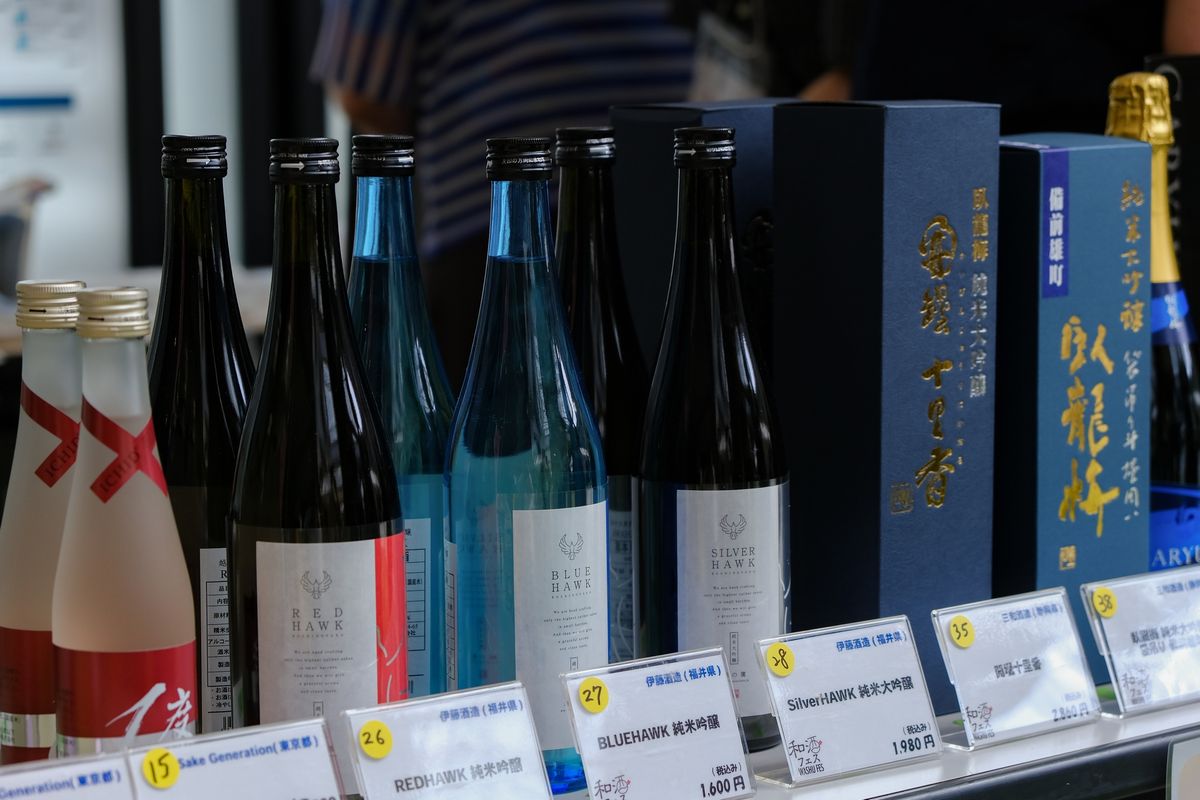
If you find a sake you like, you can purchase it on the spot.
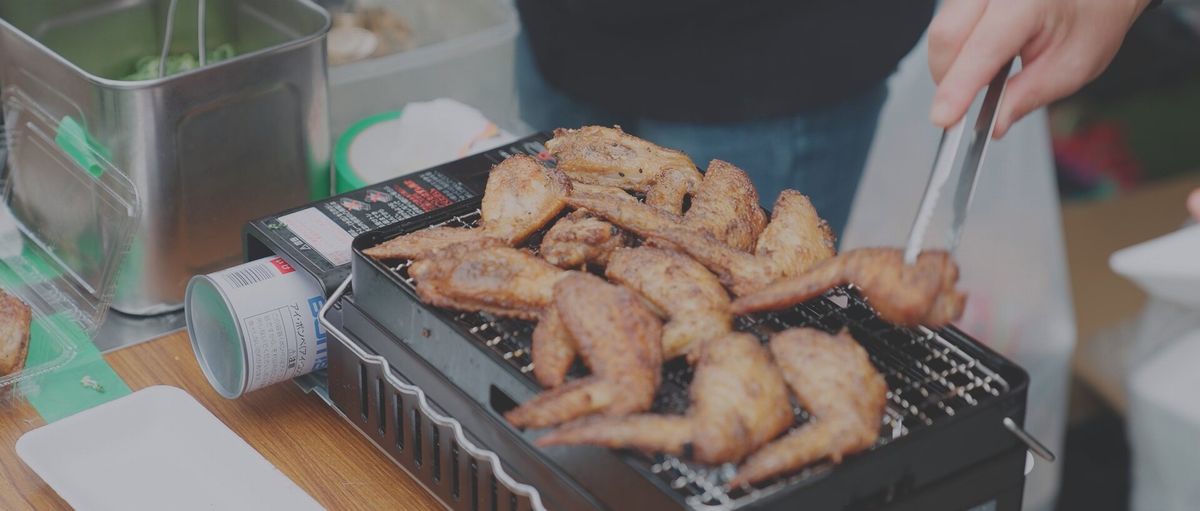
In addition to Japanese sake, there will also be food booths offering dishes that pair well with sake, seasonal ingredients, and local specialties, making them perfect as snacks!
On the day, a special stage will also be set up, with various performances to energize the venue over the two days!
Why not take this opportunity to enjoy the charm of summer Japanese sake?
’14th Japanese Sake Festival @ Osaka Bay Tower’
Date & Time:
July 11, 2026 (Saturday) & July 12, 2026 (Sunday)
Session 1: 12:00 PM – 2:10 PM
Session 2: 3:00 PM – 5:10 PM
*Each session has a rotation system.Location:
Osaka Bay Tower 2nd Floor, Atrium PlazaFee:
3,600 yen (tax included)
*Advance purchase required.
For details on how to purchase the tasting pass, please check the official site.
The venue, “Osaka Bay Tower” 2nd floor Atrium Plaza, is here ↓
Osaka Bay Tower
Osaka Bay Tower
Osaka City
Benten
Minato-ku
Osaka Bay
Related news
Enjoy a full range of gourmet food and entertainment! The ‘TV Osaka YATAI Festival! 2025’ is being held until September 23rd at the large lawn of Tsurumi Ryokuchi Park, the Expo Commemoration Park.
A collaboration between “Meat Juice Dumplings Dandadan” and “Tenka Ippin”! Starting April 27, a limited quantity of “Rich Soup Hot Pot Meat Juice Dumplings” is available at “Meat Juice Dumplings Dandadan”!
Kumamon cheers on the Kyoto Product Exhibition, held at Arude Shin-Osaka until May 19th.
Reviewing Super Mario × Okinawa Souvenir Sweets! Enjoy Okinawan Ingredients and Limited Edition Packaging Featuring Mario and Friends!