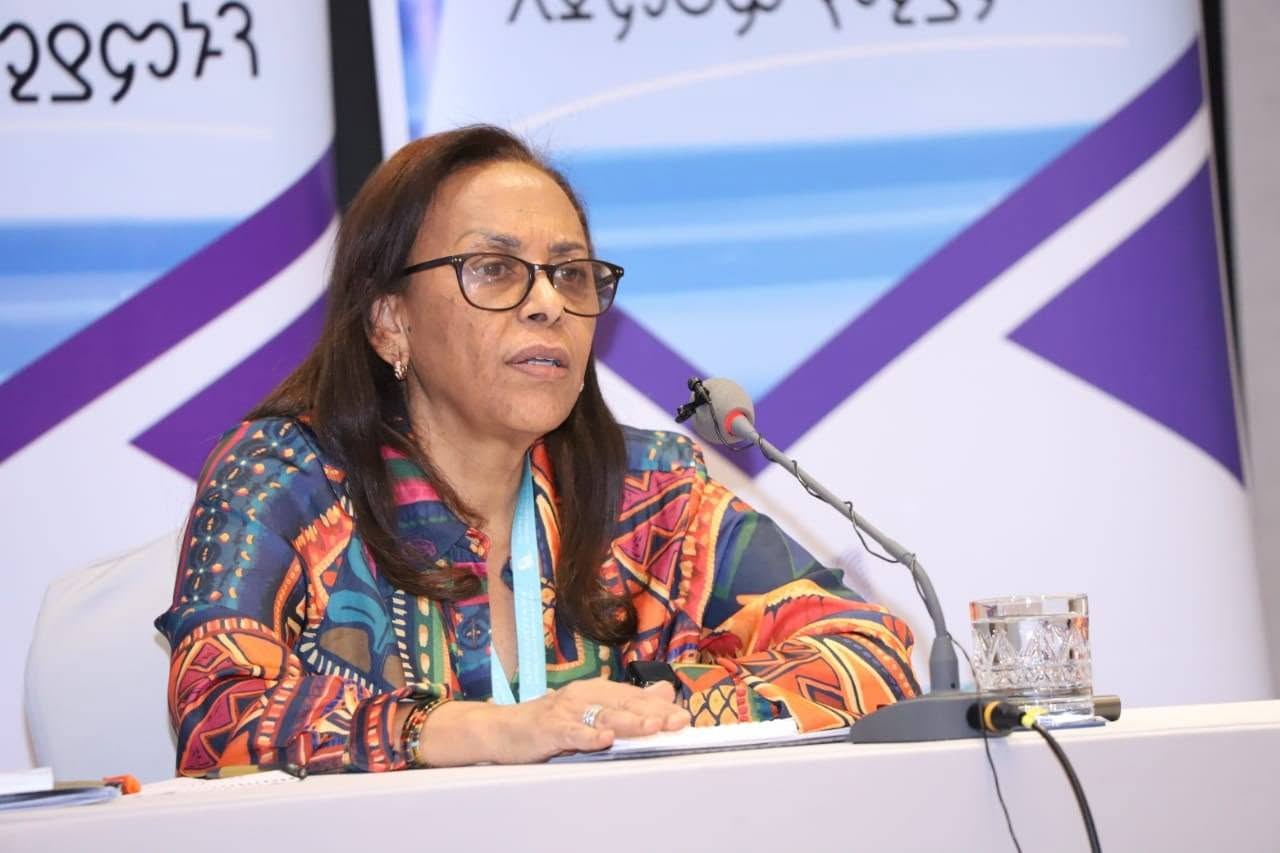
Addis Ababa, June 7, 2026 — The National Electoral Board of Ethiopia announced election results for approximately 825 constituencies out of a total of 1,138 targeted constituencies.
In a press conference held yesterday, the chairperson of the National Electoral Board of Ethiopia, Melatork Hailu, stated that the vote counting process is ongoing in all polling stations across various constituencies.
She noted that reasons for the delay in transmitting results include the distance between polling stations and constituencies, the large number of candidates, and the high number of polling stations.
The chairperson also confirmed that the process of transferring vote count results to the constituencies is proceeding well.
Since the board has multiple channels to receive election-related complaints, she explained that necessary measures have been taken to provide urgent and timely responses.
The chairperson indicated that the board has resolved various complaints received during the electoral process, based on the nature of the complaints and in accordance with the election law.
Melatork praised the role of local and international election observers and welcomed the constructive recommendations they provided.
It is noted that more than 10,438 candidates from 42 political parties competed for seats in the House of Peoples’ Representatives and regional councils, in what has been described as the largest and most administratively advanced democratic exercise in Ethiopia’s history.
The African Union and the Intergovernmental Authority on Development (IGAD) observer missions for the 2026 Ethiopian elections commended this significant achievement in the country’s democratic and electoral journey, during a joint press conference held on Wednesday to present their preliminary findings.
After the successful conclusion of the general elections, Prime Minister Abiy Ahmed expressed his gratitude to every Ethiopian citizen who participated, to the National Electoral Board of Ethiopia and its more than 350,000 officials, to the security forces that protected the electoral process, and to the African and regional observer missions whose presence affirmed Ethiopia’s commitment to democratic accountability.