The Head of the Depok Regional House of Representatives approved the split of the Regional Financial Management Agency into two new agencies to boost fiscal independence.
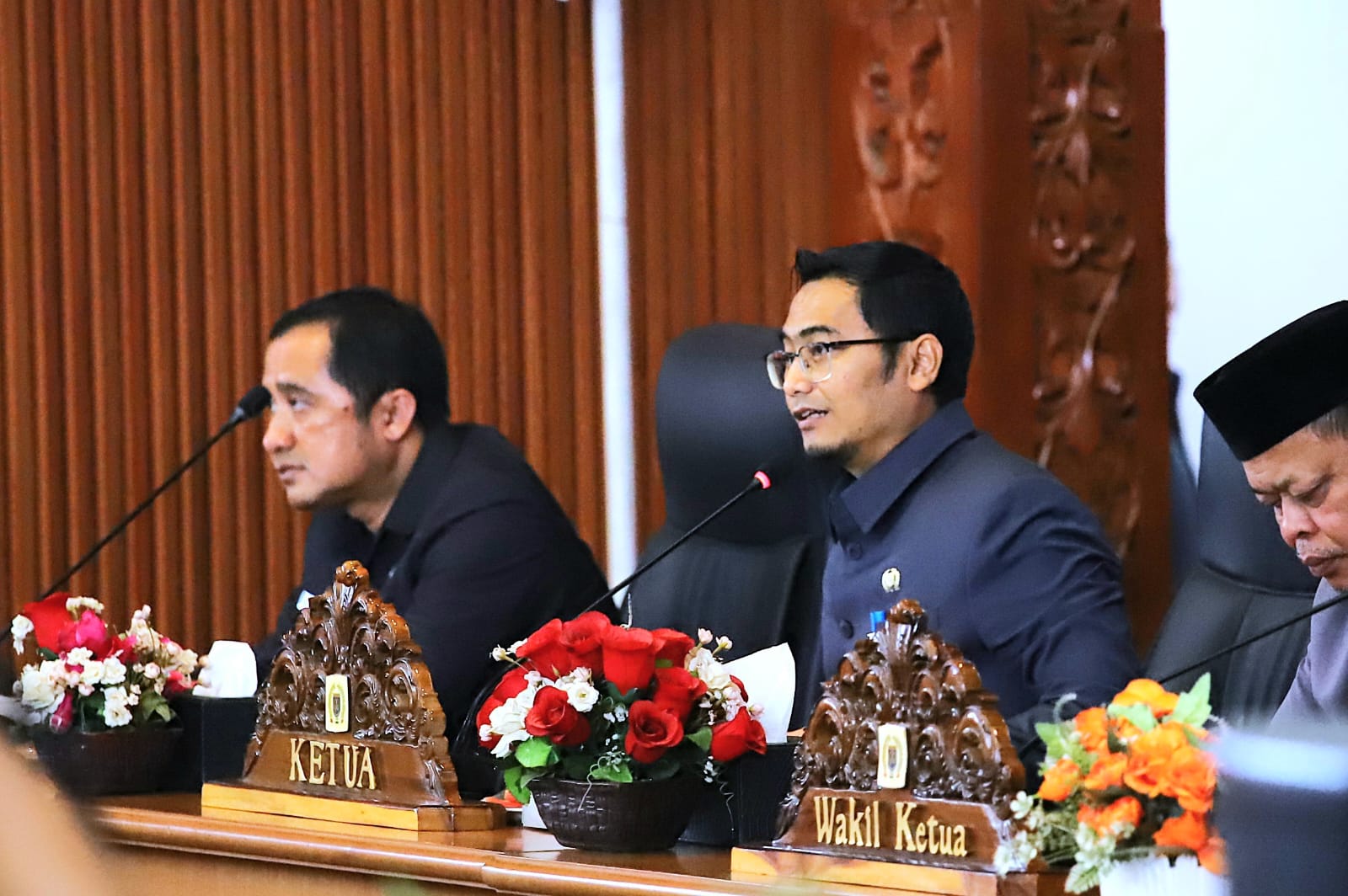
DEPOK (05/06/2026) – The Regional House of Representatives (DPRD) of Depok City has officially given the green light to a draft plan for a massive restructuring within the city government bureaucracy. This tactical step is marked by the approval of the separation of the Regional Financial Agency (BKD) into two independent work units, namely the Regional Financial and Asset Management Agency (BPKAD) and the Regional Revenue Agency (Bapenda). This crucial decision was agreed upon in a Plenary Session that discussed the draft Regional Regulation on Transportation Implementation, as well as the draft Third Amendment to Regional Regulation Number 10 of 2016 concerning the Formation and Structure of Regional Apparatus.
The parliament aims to strengthen regional fiscal independence as the main output of this nomenclature separation. A member of the Depok DPRD Special Committee, Ade Ibrahim, emphasized that the legislature fully supports the division of the financial institution’s work draft so that it can be effectively operational by 2027. According to him, the presence of Bapenda as an independent institution separate from asset management functions is a tactical instrument to boost Local Original Revenue (PAD). By optimizing local revenue, the draft for infrastructure development in Depok City is expected to no longer be highly dependent on transfer funds from the central or provincial government. To realize this target, the parliament even recommended the establishment of Bapenda Technical Implementation Units (UPT) in every sub-district area to streamline services and maximize the draft absorption of local tax potential.
In line with this, the Chairman of the Depok City DPRD, Ade Supriyatna, explained that the draft restructuring of the Regional Apparatus Organization (OPD) is deliberately designed to simplify the span of control of agency authority to avoid overlapping functions in the field. The complexity of city development challenges demands a more professional, agile, and focused bureaucratic architecture. Besides the restructuring of BKD, Ade Supriyatna revealed a draft plan to establish new bodies such as the Regional Disaster Management Agency (BPBD) and the merger of economic and MSME affairs, which have so far been fragmented between the Trade and Industry Office (Disdagin) and the Cooperatives and Micro Enterprises Office (DKUM).
This one-stop government governance transformation is essentially a continuation of the draft proposal submitted by the Mayor of Depok, Supian Suri, in the explanatory note of the draft regulation before the plenary session on Wednesday, April 8, 2026. The executive authority projects that with Bapenda operating specifically and focused, the PAD target curve for Depok City can be significantly pushed up from the existing figure of Rp2.3 trillion towards a minimum target of Rp3 trillion. Integrated synergy will also be applied to the small business cluster through the merger of the Cooperatives and MSME Office into the Trade and Industry Office, so that the coaching chain from the draft production process to the marketing network can be controlled in an integrated manner to welcome the grand vision of Golden Indonesia 2045.
Depok
Depok is a city in West Java, Indonesia, known for its educational institutions and as a satellite city of Jakarta. Its history dates back to the 18th century when it was established as a private estate by Cornelis Chastelein, a Dutch colonial official, who freed his slaves and granted them land, leading to a unique Christian community. Today, Depok is a rapidly growing urban center, home to the University of Indonesia and other major campuses.
Regional Financial Agency (BKD)
The Regional Financial Agency (BKD) is a government institution in Indonesia responsible for managing regional finances, including budgeting, accounting, and treasury functions at the provincial or municipal level. Historically, BKDs were established to improve fiscal transparency and accountability following Indonesia’s regional autonomy reforms in the early 2000s. Today, they play a key role in ensuring local governments can effectively allocate resources for public services and development.
Regional Financial and Asset Management Agency (BPKAD)
The Regional Financial and Asset Management Agency (BPKAD) is a government institution in Indonesia responsible for managing regional finances and assets at the provincial or municipal level. Established under regional autonomy laws, BPKAD oversees budgeting, accounting, and asset inventory to ensure transparency and efficiency in public financial management. Its role has evolved to support decentralized governance, helping local governments optimize resources and comply with national financial regulations.
Regional Revenue Agency (Bapenda)
The Regional Revenue Agency (Bapenda) is a government institution in Indonesia responsible for managing and collecting regional taxes and levies to support local development. Established as part of regional autonomy reforms in the early 2000s, Bapenda plays a key role in enhancing local revenue sources and reducing dependence on central government funding. Its functions have evolved over time to improve tax compliance and public service efficiency.
Regional Disaster Management Agency (BPBD)
The Regional Disaster Management Agency (BPBD) is a key government institution in Indonesia responsible for coordinating disaster prevention, mitigation, and response at the provincial and district levels. Established following the 2007 Disaster Management Law (Law No. 24/2007), the BPBD was created to improve Indonesia’s capacity to handle natural disasters such as earthquakes, tsunamis, and volcanic eruptions, which are frequent in the region. The agency works closely with the national disaster authority (BNPB) and local communities to implement early warning systems, emergency relief, and recovery efforts.
Trade and Industry Office (Disdagin)
The Trade and Industry Office (Disdagin) in Indonesia typically refers to local government agencies responsible for overseeing trade, industry, and consumer protection within a region. These offices historically emerged from the country’s post-independence efforts to regulate and stimulate economic growth, often managing market oversight, business licensing, and industrial development. Today, they play a key role in supporting local businesses and ensuring fair trade practices.
Cooperatives and Micro Enterprises Office (DKUM)
The Cooperatives and Micro Enterprises Office (DKUM) is a government agency in Bhutan that supports the development and regulation of cooperatives and small businesses. Established to promote grassroots economic growth, it provides training, financial guidance, and policy support to help local entrepreneurs and community-based enterprises thrive. The office plays a key role in Bhutan’s efforts to foster self-reliance and sustainable livelihoods, particularly in rural areas.
Golden Indonesia 2045
“Golden Indonesia 2045” is a national vision launched by the Indonesian government to mark the country’s 100th year of independence, aiming to transform Indonesia into a developed, prosperous, and globally competitive nation by 2045. The initiative builds on Indonesia’s long-term development plans, focusing on human capital, infrastructure, economic growth, and sustainable resource management. It envisions Indonesia as one of the world’s top five economies, with a strong middle class and reduced inequality.