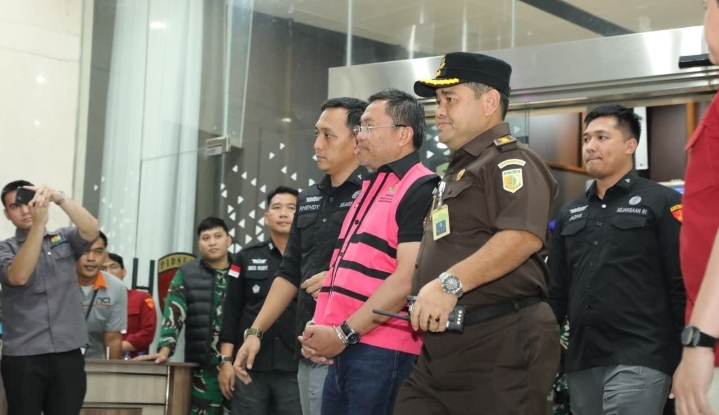
JAKARTA – The alleged corruption case in the management of the Free Nutritious Meals program for the 2025-2026 period has entered a new phase after one of the suspects took a strategic legal step.
The former Deputy Head of the National Nutrition Agency (BGN) for Operational Nutrition Fulfillment has officially declared readiness to fully expose the flow of irregularities within BGN.
This legal step was taken after the Attorney General’s Office named three suspects in the corruption case involving mismanagement of the Nutrition Fulfillment Service Unit program.
The three suspects are former BGN head Dadan Hindayana, former Deputy Head of the National Nutrition Agency, and former Deputy Head of the National Nutrition Agency Lodewyk Pusung.
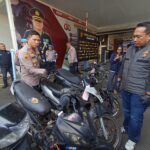
The suspects are strongly suspected of being involved in the mismanagement of the Nutrition Fulfillment Service Unit program, which is directly related to the implementation of the Free Nutritious Meals program and the procurement of electric motorcycles.
For these actions, investigators have charged the suspects under Article 603 juncto Article 20 letter a or letter c of Law Number 1 of 2023 concerning the Criminal Code juncto Article 18 of Law Number 31 of 1999 concerning the Eradication of Corruption Crimes as amended by Law Number 20 of 2001.
Before officially being named a suspect on Wednesday, June 3, 2026, Sony Sonjaya had previously revealed alleged fraudulent practices of buying and selling kitchen location points for the Nutrition Fulfillment Service Unit in May 2026.
However, after his courage in exposing these practices, Sony Sonjaya was actually removed from his position over the same alleged case, which until now has been claimed to be completely unproven, leading to suspicions that he was deliberately made a victim by certain individuals.
The first position in this legal assistance was explained by the suspect’s legal counsel handling the case directly and gradually.
The legal counsel emphasized that their client refuses to be the only party bearing legal responsibility in this major case.
“That’s absolutely correct,” said Krisna Murti, Sony Sonjaya’s legal advisor, on Friday, June 5, 2026, when confirmed about the certainty of filing for justice collaborator status as quoted from radarjabar.disway.id.
The legal counsel also affirmed their commitment to continue overseeing the intensive examination conducted by the investigation team from the Attorney General’s Office.
This legal defense is being carried out maximally by involving two law firms simultaneously, directly appointed by the suspect to ensure case transparency.
“Yesterday I accompanied Mr. Sony until late at night,” said Krisna Murti.
Furthermore, the legal team presented the basic arguments behind their client’s decision to turn around and assist law enforcement as a partner to the prosecution.
This step of applying as a cooperating witness is expected to unravel the full involvement of other intellectual actors.
“Sony’s decision to apply as a justice collaborator is motivated by his desire to fully uncover the case and not be the only party blamed in this matter,” said Krisna Murti.
Meanwhile, from the position of the main suspect, developments following the detention were marked by the circulation of a written message on Sony Sonjaya’s personal social media.
In the midst of detention due to alleged corruption in the Free Nutritious Meals program and electric motorcycle procurement, a congratulatory message was addressed to Nanik S Deyang, who is the only Deputy Head of the National Nutrition Agency not caught up in the Attorney General’s Office case and is now trusted to hold the position as Head of the National Nutrition Agency.
Based on reports, the written message from within the detention period has triggered many questions about how the post could go live, and has sparked speculation about the existence of a hidden message in the form of subtle satire following internal dynamics after the leadership change at the National Nutrition Agency.
In the letter of appreciation for the new position, there is a specific sentence written directly by the suspect.
“Thank you for the beautiful gift you gave,” said Sony Sonjaya in a post on his personal account.</