Amidst the green mountains and clear waters, understanding the “priceless”
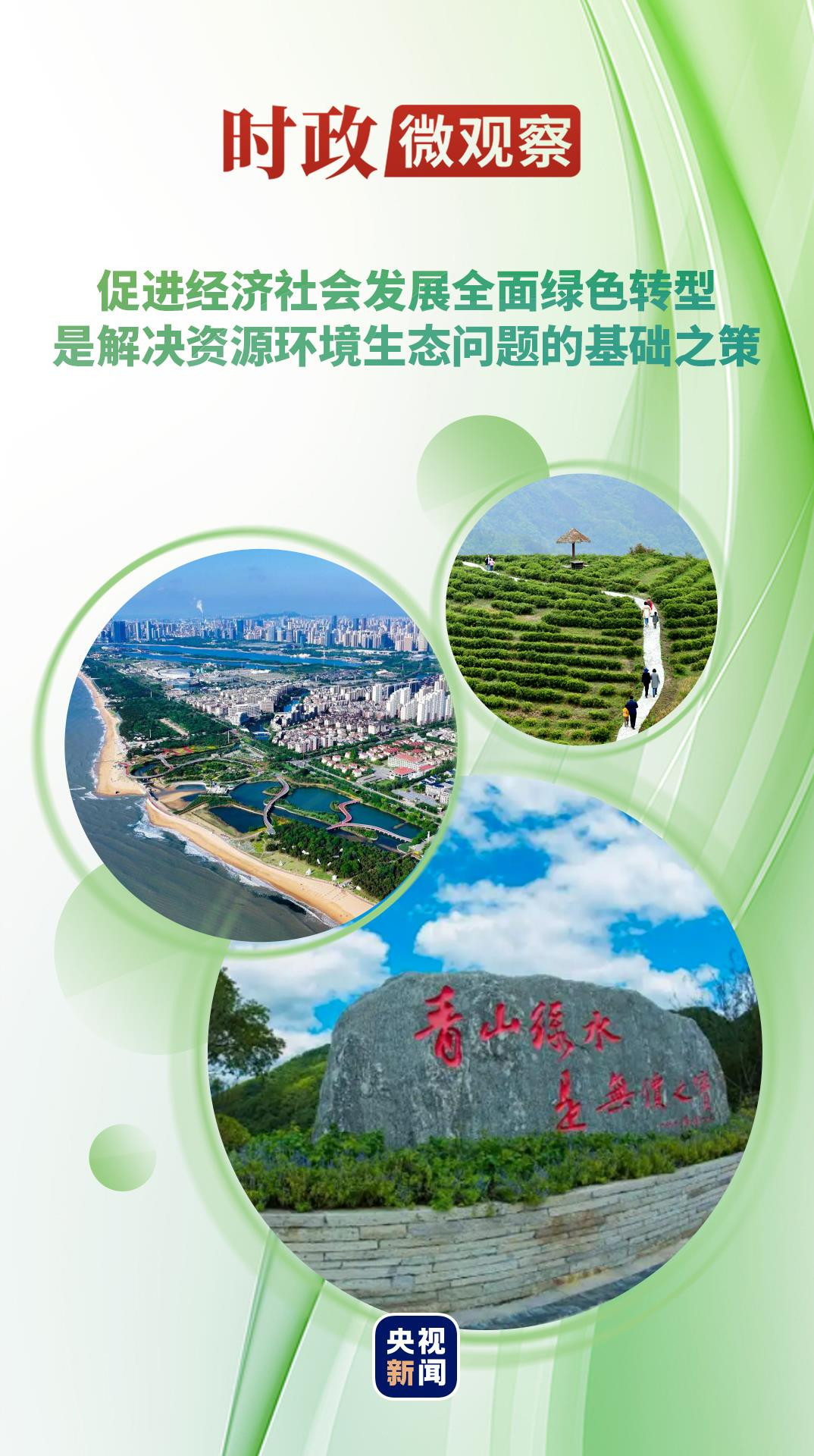
In Changkou Village, Jiangle County, Fujian, a stone tablet holds the unforgettable memory of the villagers—29 years ago, when a deputy party secretary of the Fujian Provincial Committee came to investigate here, leaving behind a story about “green mountains and clear waters.”
In the 1980s and 1990s, a company approached the village, offering 200,000 yuan to buy the natural forest at the village entrance as raw material for making wooden chopsticks. At that time, Changkou Village could not find a way to develop, the villagers lived in poverty, and the village collective’s finances were stretched thin.
Sell or not sell? The village cadres and villagers faced a difficult decision.
One day in April 1997, the deputy party secretary came to the old village office in Changkou. Overlooking the Jinxi River in front, a lush and vibrant forest stretched out. Looking at the forest, he said earnestly: “Green mountains and clear waters are priceless treasures. You must paint a good landscape painting, solidly grasp mountain development, and do a good job on the article of mountains, water, and fields.”
Changkou Village was one stop on this investigation tour. During the investigation, he earnestly advised: “The current green mountains and clear waters may seem to have little value, but in the long run, they are priceless treasures, and their future value is immeasurable. We must preserve the advantages of the mountains and waters, and do a good job on the big article of ecological protection.”
In the end, Changkou Village rejected the company’s purchase. The villagers followed the concepts he proposed, explored, and leveraged ecological advantages to introduce green industries and cultural tourism. In May 2021, the country’s first forestry carbon credit was born in Changkou Village. On the note numbered “0000001,” 3,197 acres of ecological public welfare forest gained a “value” for the first time. Calculations showed that the first batch of signed ecological public welfare forests had a carbon emission reduction of 12,723 tons, and the stored carbon dioxide equivalent was worth over 140,000 yuan.
Green mountains and clear waters are both natural wealth and economic wealth.
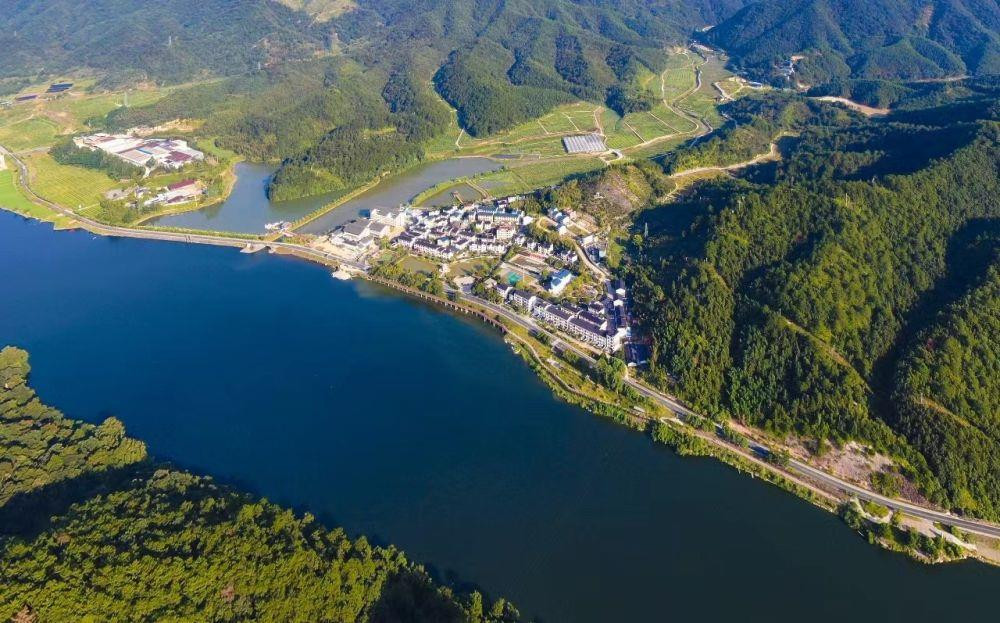
On August 15, 2005, the then party secretary of Zhejiang Provincial Committee came to Yucun Village in Anji County, which was at a crossroads of transformation. Taking advantage of the “Thousand Village Project,” Yucun decided to shut down three stone mines and one cement plant, causing an immediate drop in the village collective economy and villagers’ income. Where would the villagers make money? How would the village develop? Villagers often demanded explanations from the village cadres.
Learning of Yucun’s difficulties, he immediately provided guidance for its development. He pointed out: “When you can’t have both bear’s paw and fish, you must know what to give up and what to choose. Development has many forms; we must take the path of sustainable development. Green mountains and clear waters are golden mountains and silver mountains!”
Over the years, Yucun has developed bamboo forest carbon sinks, ecological tourism, and expanded collective management. The villagers have come to rely on “ecological meals” and “tourism meals,” and their lives are getting better and better.
In April 2020, during an inspection in Shaanxi, the general secretary visited Jiangjiaping Village in Laoxian Town, Pingli County. In the tea garden, tea farmers told him about their harvest: “The tea-picking season lasts three months each year. A fast worker can earn over 200 yuan a day, and even the slower ones get over 100
Changkou Village
Changkou Village, located in the mountainous region of Fujian Province, China, is a historic Hakka settlement known for its well-preserved traditional architecture and unique circular tulou buildings. Originally established during the Ming and Qing dynasties, the village served as a defensive stronghold for the Hakka people, fostering a close-knit community culture. Today, it stands as a cultural heritage site, offering visitors a glimpse into the communal lifestyle and architectural ingenuity of the Hakka people.
Jiangle County
Jiangle County, located in Fujian Province, China, has a history dating back over a thousand years, first established during the Tang Dynasty. It is known for its rich cultural heritage, particularly as the birthplace of the renowned Southern Song neo-Confucian scholar Zhu Xi, who spent much of his early life there. The county features beautiful natural landscapes, including the scenic Yuhua Cave, and preserves many historical sites and traditions that reflect its long and storied past.
Fujian
Fujian is a coastal province in southeastern China known for its rich cultural heritage and dramatic landscapes, including the famous Wuyi Mountains and Tulou earthen buildings. Historically, it was a key starting point for the Maritime Silk Road during the Song and Yuan dynasties, fostering trade and cultural exchange across Asia. The region is also notable for its unique Minnan and Hakka cultures, as well as its role as a major emigration hub for Chinese communities in Southeast Asia.
Jinxi River
The Jinxi River, located in the ancient water town of Jinxi (also known as Jinze) near Shanghai, China, is a historic waterway that has been central to the town’s development since the Song Dynasty. Known for its scenic bridges, traditional architecture, and tranquil canals, the river once served as a vital trade route, contributing to the prosperity of the area. Today, it remains a popular cultural site, offering visitors a glimpse into the region’s rich history and preserved Ming and Qing dynasty heritage.
Yucun Village
Yucun Village, located in Anji County, Zhejiang Province, China, is widely recognized as the birthplace of the “Two Mountains” theory, which emphasizes the balance between ecological preservation and economic development. Once a village heavily reliant on mining and quarrying, it underwent a dramatic transformation in the early 2000s by shutting down polluting industries and restoring its natural environment. Today, Yucun is a model for sustainable tourism and green development, attracting visitors to its lush bamboo forests and clean waterways.
Anji County
Anji County, located in Zhejiang Province, China, is renowned for its lush bamboo forests and is often called the “Bamboo Sea.” Historically, it has been a center for bamboo cultivation and craftsmanship for centuries, and today it is famous for the Anji Bamboo Forest, a key filming location for the movie *Crouching Tiger, Hidden Dragon*. The county also hosts the annual China Bamboo Culture Festival, celebrating its deep-rooted ecological and cultural heritage.
Jiangjiaping Village
Jiangjiaping Village is a historic settlement in China, known for its well-preserved traditional architecture and cultural heritage. The village dates back several centuries and was once a key stop along ancient trade routes, contributing to its development as a prosperous community. Today, it offers visitors a glimpse into rural Chinese life through its ancient buildings, stone pathways, and enduring local customs.
Pingli County
Pingli County is a county located in the southern part of Shaanxi Province, China, within the Qinba Mountain region. Historically, it was established during the Ming Dynasty and has long been known for its rich natural resources, including tea and traditional Chinese medicinal herbs. Today, it is recognized for its beautiful landscapes, such as the Tianmu Mountain and Nangong Mountain National Forest Park, which attract visitors seeking both cultural heritage and ecotourism.