Read 10 seconds
- BMKG forecasts that East Jakarta may experience rain accompanied by lightning on Wednesday, June 3, 2026, from afternoon to evening.
- The public is advised to be cautious of risks such as strong winds, fallen trees, and reduced visibility when engaging in outdoor activities.
- Active atmospheric dynamics trigger local rain during the dry season due to strong surface heating and high daily air humidity.
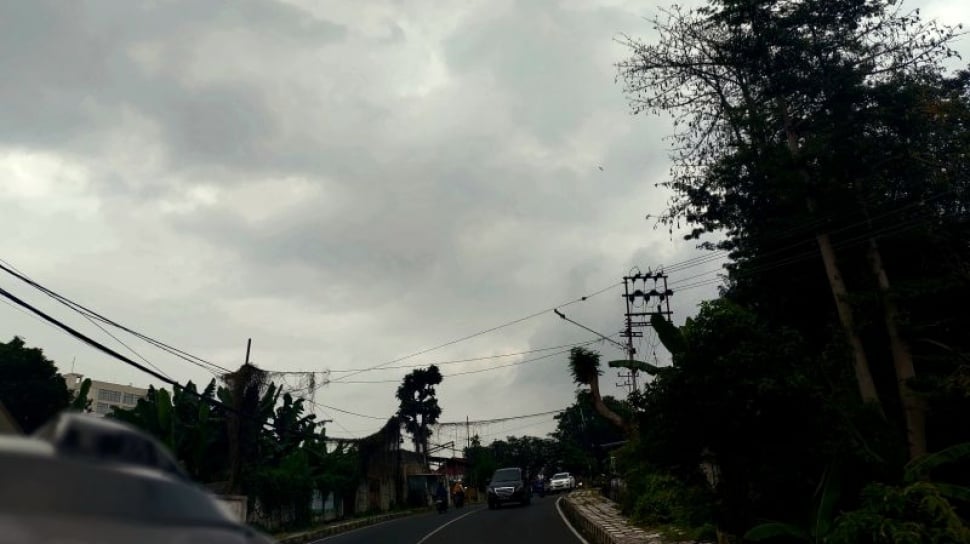
Residents of East Jakarta are urged to increase caution during their activities on Wednesday (June 3, 2026). The Meteorology, Climatology, and Geophysics Agency forecasts that this area may experience rain accompanied by lightning, while most other parts of Jakarta are predicted to have mostly sunny to cloudy weather.
This rapidly changing weather condition is a concern, especially for people who have outdoor activities from afternoon to evening.
Although some parts of Indonesia are currently entering the dry season, BMKG reminds that rain can still occur due to active atmospheric dynamics. In fact, the rain that falls may be accompanied by lightning or thunder and strong winds in several areas.
Morning Sunny, Afternoon to Evening Potentially Changing
Based on weather forecasts, Jakarta is expected to start the day with relatively sunny to cloudy conditions. However, entering the afternoon and evening, rain cloud formation may still occur in some areas, including East Jakarta, which is forecast to experience rain with lightning.
Such conditions are common during the transition season, when daytime air heating triggers the formation of convective clouds that can develop into local rain of varying intensity.
Therefore, people planning outdoor activities are advised to prepare supporting equipment such as umbrellas or raincoats, especially in the afternoon.
Why Does It Still Rain During the Dry Season?
Many residents wonder why rain still falls even though some parts of Indonesia have entered the dry season.
BMKG explains that the dry season does not always mean completely dry weather. During the transition period, reduced cloud cover from morning to afternoon actually makes surface heating stronger. If air humidity is still high enough, these conditions can trigger rain cloud formation in the afternoon to evening.
Additionally, BMKG notes that atmospheric dynamics, including atmospheric wave activity and regional weather factors, still contribute to the occurrence of rain in several parts of Indonesia.
Residents Urged to Stay Vigilant
BMKG advises the public to continue monitoring the latest weather developments, especially for drivers and residents who are active in open areas.
Rain accompanied by lightning and strong winds can disrupt travel, reduce visibility, and increase the risk of fallen trees in some locations.
The public is also advised to avoid taking shelter under large trees during thunderstorms and to ensure that drainage systems in the surrounding environment function properly to anticipate puddles.
Meanwhile, air temperatures in Jakarta are expected to feel quite warm during the day before rain clouds begin to develop towards the evening. This condition makes the weather feel changeable within a single day, so people need to pay more attention to the latest weather information from BMKG.



![Guru Besar Universitas Jayabaya, Yuhelson. [Istimewa]](https://asiacity.news/wp-content/uploads/2026/04/95169-guru-besar-universitas-jayabaya-yuhelson-150x150.webp)