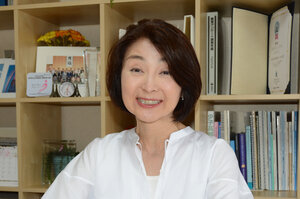
In Japan, 1 in 4.4 couples undergo examinations or treatments, and 1 in 8.5 people are born through such methods. However, many people are unable to have children despite treatment. Akiko Matsumoto (61), founder and board member of the NPO Fine, which handles online consultations for infertility and recurrent miscarriage, is one of them. Yet she says her efforts in treatment were not in vain.
Step by step, moving to in vitro fertilization
Matsumoto began treatment when she was 30 years old.
“We talked about having three children and wanting them to do classical ballet and martial arts,” she says.
For about a year, she tried the timing method of intercourse on fertile days. Then, she progressed to in vitro fertilization, step by step.
In vitro fertilization places a heavy burden on the body due to hormone injections. The cost, tens of thousands of yen per cycle, also increased the financial strain. “Do I have to go this far to get pregnant?” she sometimes felt disheartened.
Still, with the thought “if it means I can get pregnant,” she felt excited and decided to proceed, even dipping into savings.
Looking back, she says, “I couldn’t stop myself from hoping for pregnancy.”
In the first cycle, after transferring the embryo into her body, there was no bleeding until the test day two weeks later, but she miscarried at around eight weeks. She experienced sudden bouts of crying and took a break from treatment for several months.
With a prayerful heart
After recovering physically and mentally, she resumed treatment…