A secret report raises concerns about nuclear proliferation in Iran amid stalled inspections
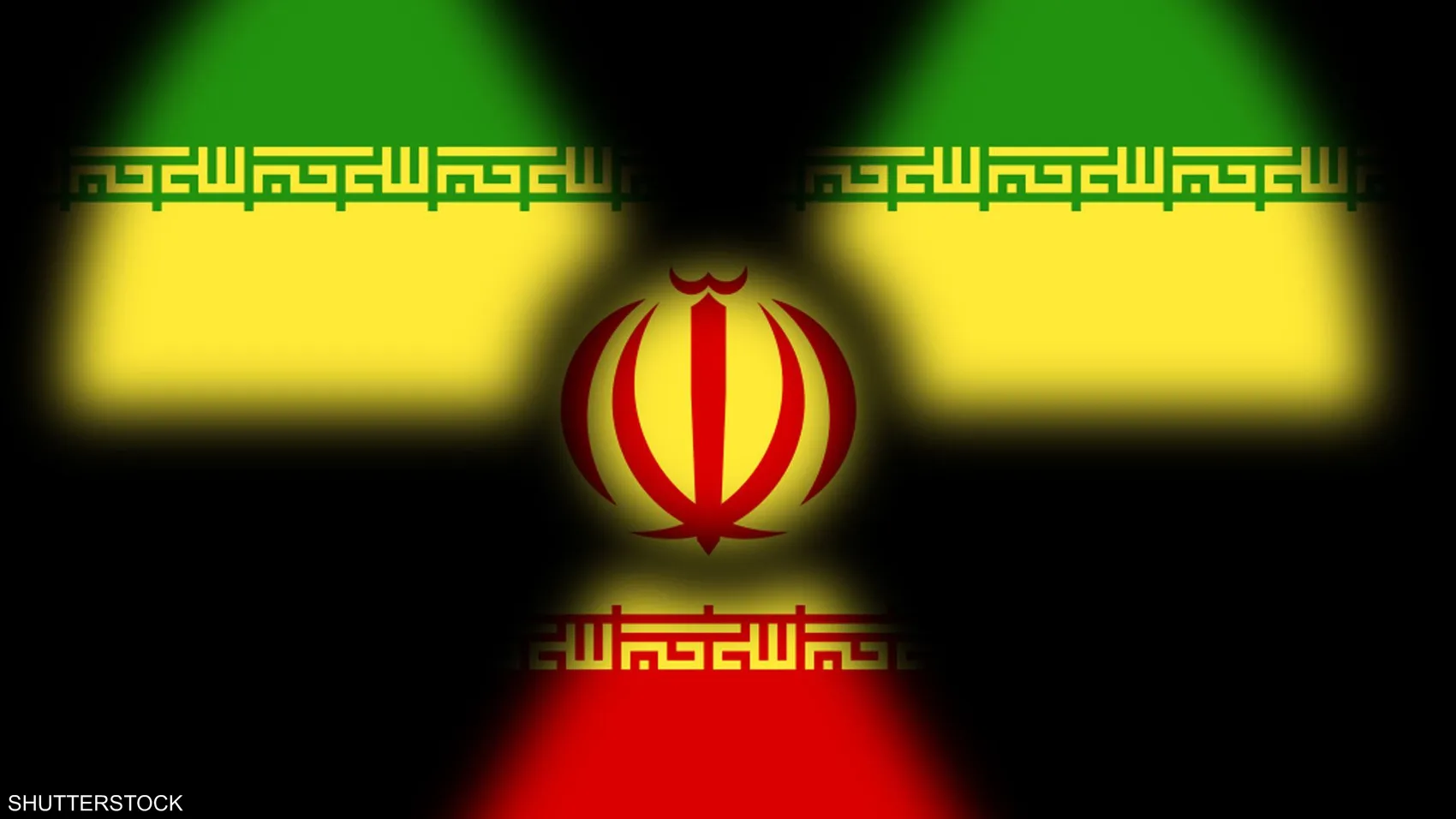
The International Atomic Energy Agency (IAEA), in a confidential report, warned Thursday that the inability to access nuclear facilities in Iran to verify stored materials raises serious concerns about nuclear proliferation, calling on Tehran to cooperate “constructively.”
The UN agency stated it has been unable to access those sites since the war launched by Israel on Iran in June 2025, in which the United States participated by carrying out strikes targeting three key nuclear facilities.
These facilities also suffered additional attacks as part of military operations conducted by the United States and Israel against Tehran starting February 28, further complicating verification and monitoring efforts.
The report noted that although the agency recognizes that the military attacks on Iran’s nuclear facilities have created an unprecedented situation, it stressed that resuming verification activities in Iran without delay is of utmost importance.
The report is scheduled to be discussed during a meeting of the IAEA Board of Governors, to be held at its headquarters in Vienna, Austria, next week.
According to the agency’s estimates before the 2025 war, Iran possesses about 440 kilograms of highly enriched uranium at up to 60% purity, a level close to the 90% required for manufacturing a nuclear weapon.
This level is far higher than the maximum of 3.67% stipulated by the 2015 nuclear deal, which effectively became void after the United States unilaterally withdrew from it in 2018.
The report indicated that the agency’s inability to verify previously declared stocks of high and low enriched uranium for nearly a full year represents a delay far exceeding the usual standards of safeguards systems, raising growing concerns about the potential for nuclear proliferation.
In this context, the IAEA Director General called on Iran to engage constructively with the agency to ensure the full and effective implementation of monitoring and safeguards measures.
The United States and Israel, along with other countries, accuse Iran of seeking to acquire a nuclear weapon, a charge Tehran consistently denies, insisting its nuclear program is for peaceful purposes.
U.S. President Donald Trump stressed that any potential agreement with Iran to end tensions in the Middle East must include clear guarantees preventing it from developing a nuclear weapon, as the fate of the highly enriched uranium stockpile remains a key point of contention in ongoing negotiations between the two sides.
International Atomic Energy Agency (IAEA)
The International Atomic Energy Agency (IAEA) is an autonomous intergovernmental organization established in 1957 under the United Nations to promote the peaceful use of nuclear energy and prevent its military application. It was created in response to U.S. President Eisenhower’s “Atoms for Peace” speech in 1953, aiming to foster global cooperation on nuclear science and technology. Headquartered in Vienna, Austria, the IAEA is best known for its safeguards and inspection programs that verify compliance with the Nuclear Non-Proliferation Treaty.
IAEA Board of Governors
The IAEA Board of Governors is one of the two principal policy-making bodies of the International Atomic Energy Agency, established in 1957. It is responsible for approving the agency’s budget, setting standards, and making recommendations on nuclear safety, security, and non-proliferation. Composed of 35 member states elected by the General Conference, the Board plays a crucial role in overseeing the implementation of safeguards agreements and addressing nuclear-related issues globally.
Vienna
Vienna, the capital of Austria, is a city renowned for its rich cultural and musical heritage, having been the home of classical composers like Mozart, Beethoven, and Strauss. Historically, it served as the center of the Habsburg monarchy and the Austro-Hungarian Empire, which shaped its grand architecture, including the Hofburg Palace and St. Stephen’s Cathedral. Today, Vienna is celebrated for its imperial history, vibrant arts scene, and as a UNESCO World Heritage site.
Austria
Austria is a landlocked country in Central Europe known for its rich cultural heritage, stunning Alpine landscapes, and historic cities like Vienna and Salzburg. Historically, it was the heart of the powerful Habsburg monarchy, which ruled a vast empire for centuries until its dissolution after World War I. Today, Austria is famous for its contributions to classical music, art, and architecture, as well as being a popular destination for winter sports and tourism.
Middle East
The Middle East is a historically and culturally rich region spanning from the eastern Mediterranean to the Persian Gulf, often considered the birthplace of major world religions including Judaism, Christianity, and Islam. Its history includes the rise and fall of ancient empires such as Mesopotamia, Persia, and the Ottoman Empire, as well as significant developments in trade, science, and philosophy. Today, the region is known for its diverse cultures, oil-rich economies, and ongoing geopolitical complexities.