Taojia Tunnel Opens, Sparking New Bus Route: Xipeng to Yangjiaping Saves Half an Hour
Bus 486 Gets an “Express Version” – Expected to Launch by June 8
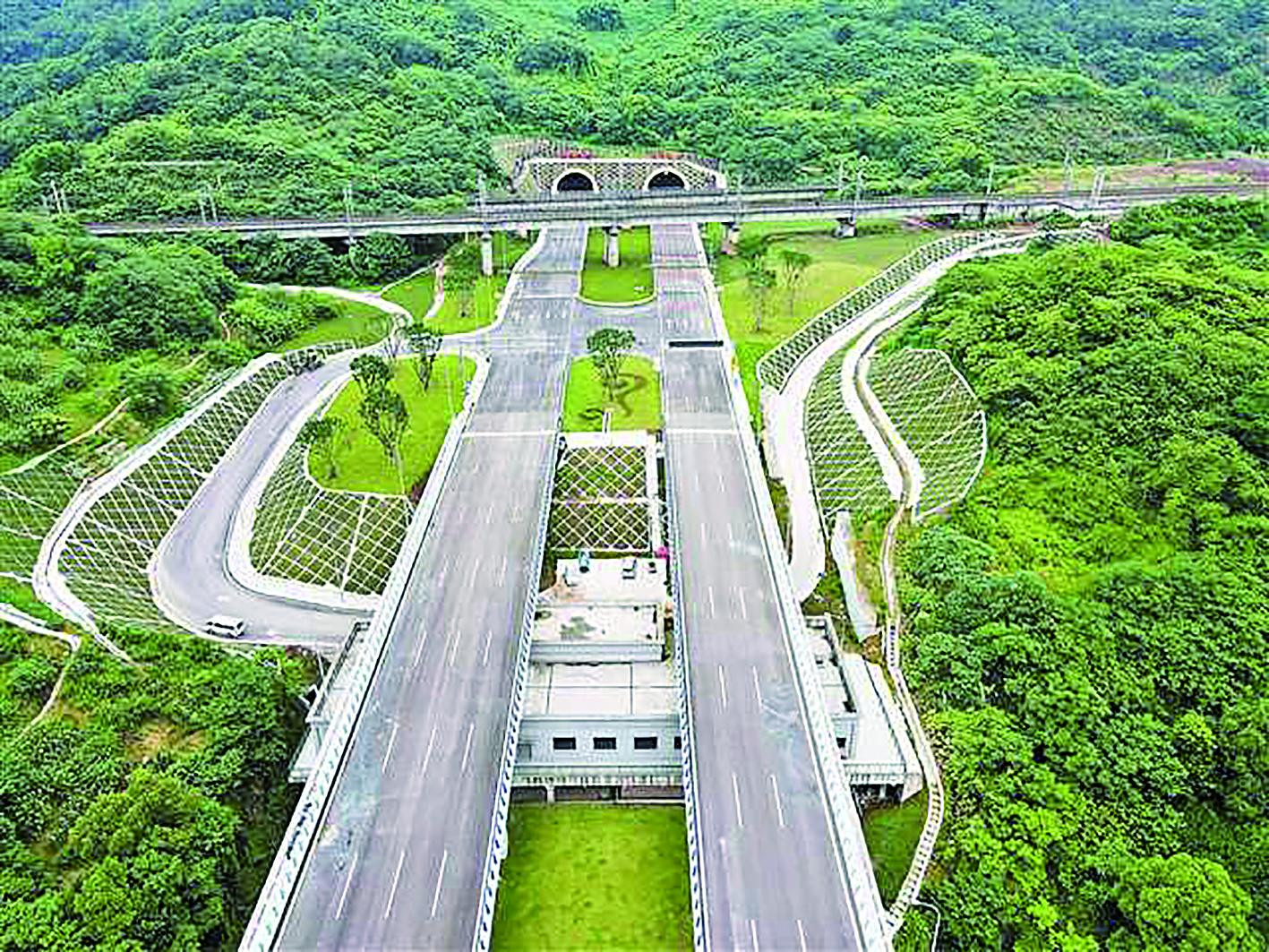
On May 31, the Taojia Tunnel in Jiulongpo District officially opened to traffic. This urban expressway through Zhongliang Mountain brought hope to residents of Xipeng and Taojia areas, who have long suffered from congestion. With the tunnel open, could bus services follow? On June 4, the Western Branch of Chongqing Public Transport Investment Group’s Bus Division 3 replied: Yes! The new route is expected to launch by June 8.
Residents’ Feedback: “Traffic was unbearable; we’ve been waiting years for an express bus.”
“Before, taking the old road during rush hours was terrible. If I can use the Taojia Tunnel, I can sleep an extra half hour every morning,” said Zhang Hua, a resident of Xipeng who works in Erlang.
Before the Taojia Tunnel opened, the eastern and western parts of Jiulongpo District were only connected by Huafu Avenue and the Huafu Tunnel on Zhongliang Mountain. Daily traffic was heavy, and congestion during peak hours was routine. The 486 bus route, linking Xipeng to Maojiangou, suffered from long travel times due to traffic jams. Complaints about poor bus services in Xipeng and Taojia areas were common on Chongqing’s online government feedback platform.
Chen, a shop owner in Taojia Town, also experienced this: “Before, when I brought goods from Shuangfu in Jiangjin, I had to go around the Zhongliangshan Tunnel. During traffic jams, it took an hour.” After the tunnel opened, his commute from Taojia Town to Shuangfu was reduced to under 30 minutes, significantly lowering procurement costs.
Ms. Jiang, who lives in Taojia Town and commutes daily to Yangjiaping, previously had to take a detour via Tiaodeng and the Second Vertical Expressway. During peak hours, her commute was nearly 50 minutes. Now, with the tunnel open, she expects to arrive in about 20 minutes.
Residents’ calls had already reached relevant authorities. As early as 2024, the Taojia Town Political Consultative Conference Workstation submitted a proposal to improve bus services for the three western towns. The Jiulongpo District Transportation Commission also coordinated multiple times with bus companies, clearly stating that “express bus routes with major stops would be planned based on the opening schedule of the Taojia Tunnel.” Now that the tunnel is open, the express route has finally arrived.
Launch of D486 Route:
486 “Express Version” Focuses on Speed and Reliability
On June 4, the Western Branch of Chongqing Public Transport Investment Group’s Bus Division 3 announced the official launch of the D486 bus route on June 8.
The D486 route starts from Xipeng, passes through the old Taojia station, then quickly enters the Taojia Tunnel via the Fifth Horizontal Expressway. It then continues smoothly along the Second Vertical Expressway, quickly reaching the Erlang, Yangjiaping, and Maojiangou areas of Jiulongpo District. While retaining the major stops with high passenger demand from the original 486 route, the new line significantly reduces travel time.
Specifically, the D486 route is 42.5 kilometers long, with operating hours from 6:00 AM to 7:00 PM. Stops along the way include: Xipeng, Xipeng Bus Station, Taojia Development Zone, Old Taojia Station, Yugaoxiangzhou·Erlang Hospital, East Section of Huoju Avenue, North Section of Yilong Road, West of Shipingqiao, West Suburb of Yangjiaping, Zoo, and Maojiangou.
A representative from Bus Division 3 stated that the launch of the D486 route will significantly improve commuting efficiency for residents during peak hours, serving daily comm
Taojia Tunnel
The Taojia Tunnel, located in Chongqing, China, is a historic railway tunnel built during the Second Sino-Japanese War in the 1940s. It was constructed as part of the wartime Sichuan-Guizhou Railway to support logistics and transportation under challenging conditions, often using manual labor. Today, it serves as a cultural relic and symbol of resilience, reflecting the engineering efforts during a turbulent period in Chinese history.
Zhongliang Mountain
Zhongliang Mountain, located in the Chongqing region of China, is a historically significant site known for its role in ancient military defense and as a natural barrier. During the Southern Song Dynasty (1127–1279), it was part of the Diaoyu Fortress defense system, which famously withstood Mongol invasions. Today, it is recognized for its scenic landscapes and cultural heritage, attracting visitors interested in both history and nature.
Huafu Avenue
Huafu Avenue is a major thoroughfare in the central business district of Shenzhen, China, known for its modern skyscrapers and vibrant commercial atmosphere. Historically, this area was part of a much smaller fishing village before Shenzhen’s rapid development as a Special Economic Zone in the late 20th century. Today, it serves as a key hub for finance, shopping, and entertainment, reflecting the city’s transformation into a global metropolis.
Huafu Tunnel
Huafu Tunnel is a historical military tunnel located in Fuzhou, China, built during the Cold War era in the 1960s as part of the country’s underground defense system. Originally constructed to serve as a bomb shelter and command center, it reflects the tense geopolitical atmosphere of the time. Today, the tunnel has been repurposed as a cultural and tourism site, offering visitors a glimpse into China’s modern history and engineering efforts.
Zhongliangshan Tunnel
Zhongliangshan Tunnel is a key transportation infrastructure in Chongqing, China, constructed to ease traffic congestion through the mountainous Zhongliang range. Opened in phases starting in the 2010s, it plays a vital role in connecting the city’s central districts with its western suburbs. The tunnel’s development reflects Chongqing’s rapid urbanization and engineering efforts to overcome its challenging topography.
Second Vertical Expressway
The Second Vertical Expressway is a major north-south thoroughfare in São Paulo, Brazil, designed to alleviate traffic congestion in the city’s western zone. Its construction, which began in the late 2000s and was completed in phases, involved significant engineering challenges, including the excavation of tunnels and the installation of bridges to navigate the region’s hilly terrain. The expressway was built as part of broader urban mobility improvements, connecting key neighborhoods and facilitating access to the city’s expanding subway and bus rapid transit systems.
Fifth Horizontal Expressway
The Fifth Horizontal Expressway, also known as Jalan Tol Trans-Jawa, is a major toll road in Indonesia that spans the northern coast of Java, connecting cities like Jakarta, Semarang, and Surabaya. Its construction began in the late 20th century as part of a national infrastructure plan to improve connectivity and economic growth, with key sections completed in phases from the 1990s onward. Today, it serves as a vital transportation artery, significantly reducing travel time across the island and supporting trade and tourism.
Shipingqiao
Shipingqiao, located in Kunming, Yunnan Province, is a historic stone bridge built during the Ming Dynasty (1368–1644). It served as a vital transportation link on the ancient Southern Silk Road, connecting trade routes between China and Southeast Asia. Today, it stands as a well-preserved cultural relic, reflecting the region’s rich historical and architectural heritage.