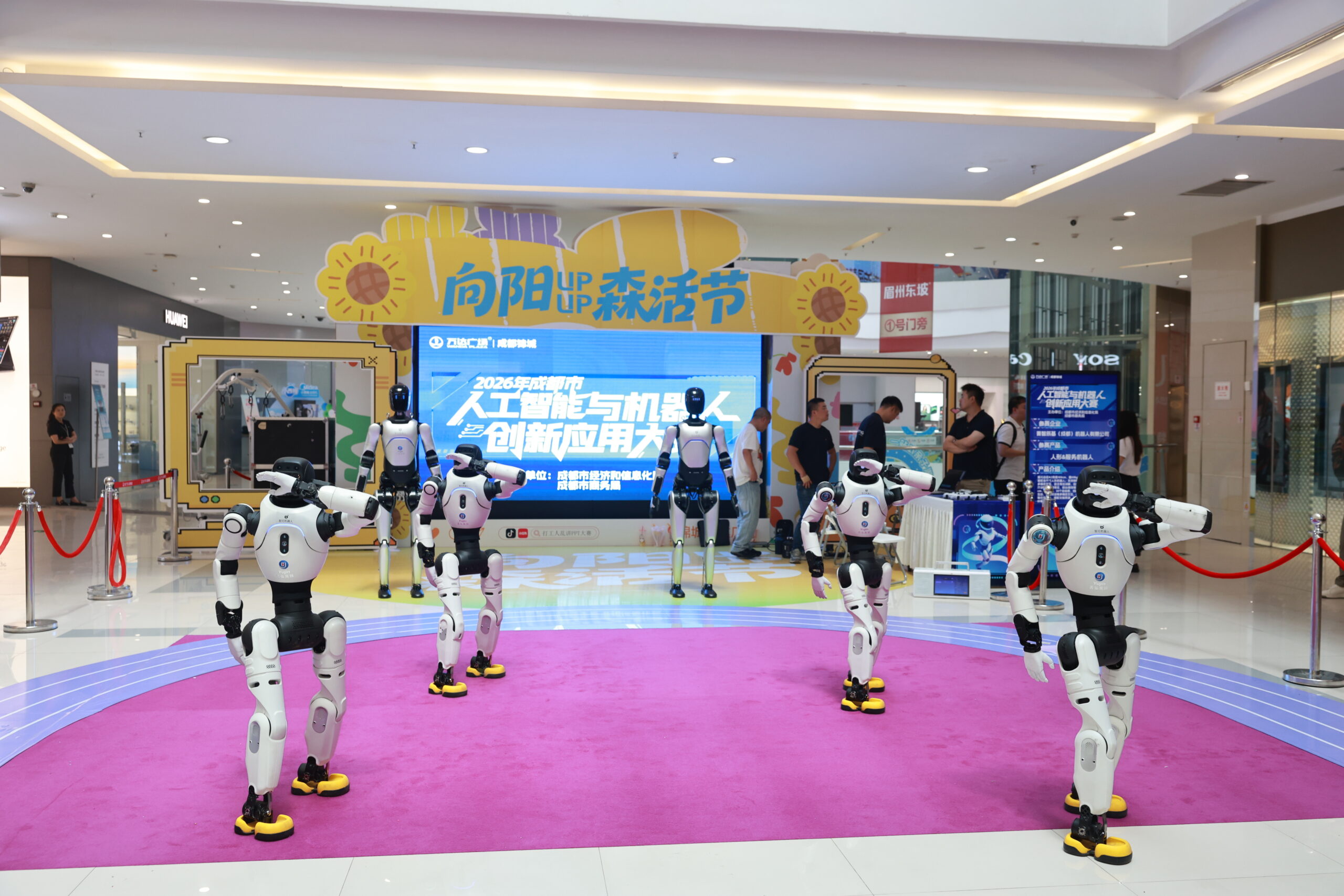
On June 2, the “Smart Chengdu, Meet the Future” 2026 Chengdu Artificial Intelligence and Robot Innovation Application Competition kicked off simultaneously at Yofang Shopping Center and Jincheng Wanda Plaza. The event, co-hosted by the Chengdu Municipal Economic and Information Technology Bureau and the Chengdu Municipal Commerce Bureau, featured real-world tests in actual shopping malls, bringing a large number of locally developed “Made in Chengdu” robots out of the lab and into close contact with ordinary citizens.
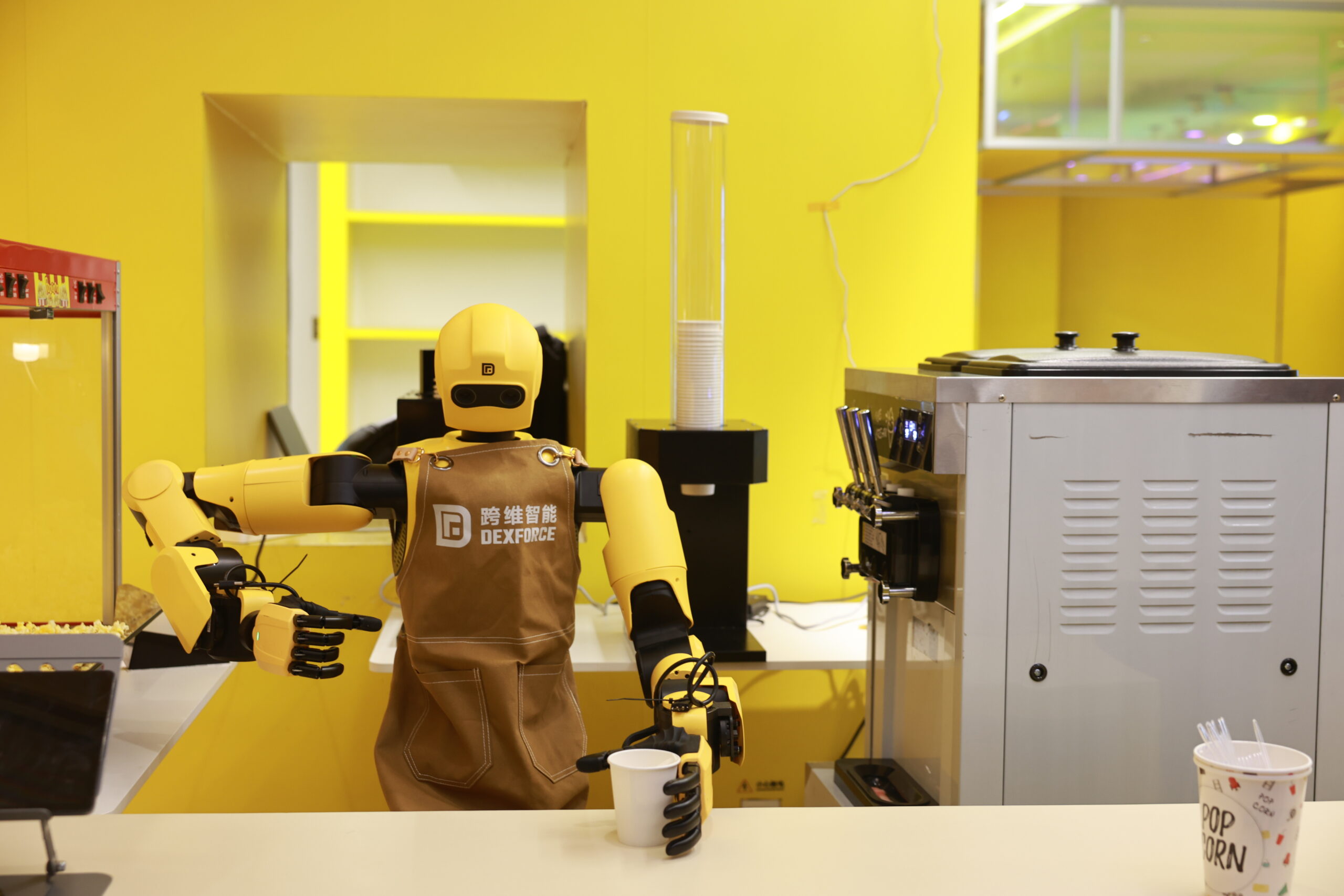
The first competition focused on the theme of “Smart Fun for Kids: AI Building Dreams in Tech and Commerce,” targeting needs for parent-child companionship, science education and entertainment, and cultural tourism interaction. It gathered 11 companies, 17 products, and nearly 30 sets of intelligent robots, covering categories such as humanoid services, smart delivery, emotional companionship, and science explanation. Multiple distinctive robots were well-received by both children and adults at the venue. At Yofang Shopping Center, the Kuawei Intelligent Dexforce W1 PRO humanoid robot acted as a food stall owner, making popcorn and ice cream for free distribution. This commercial and educational integrated robot has already been deployed in cultural tourism projects in multiple locations. The brand Kuawei Zhishu settled in Chengdu in 2025 to establish its Southwest headquarters, attracted by the local robust industrial ecosystem and implementation environment.
At the nearby Jincheng Wanda Plaza, the excitement was equally high. The 169cm Zhiyuan Expedition A2 engaged in casual conversation with people, while the Lingxi X2, with 30 degrees of freedom, danced flexibly. Children who touched it received warm responses. On May 22, Zhiyuan’s Southwest Embodied Intelligence Industrial Base, the first full-chain benchmark project for embodied intelligence in the Southwest, was established in Pidu District. On-site, a basketball-throwing robot from the University of Electronic Science and Technology of China, which achieved top scores in the Robocon competition, smoothly completed its shots. The Lingji GO quadruped robot dog, jointly developed by Zhongke Yuyi and Lingxing Kaiwu, performed obstacle climbing and acrobatic stunts. Both products have already been deployed in multiple commercial and cultural tourism venues in Chengdu. Additionally, new products such as Dili Technology’s smart driving robot, Mingtu Technology’s AI sugar painting machine, Hongde Boyu’s ice cream robot, and Xinglanxing’s holographic display screen were showcased together.
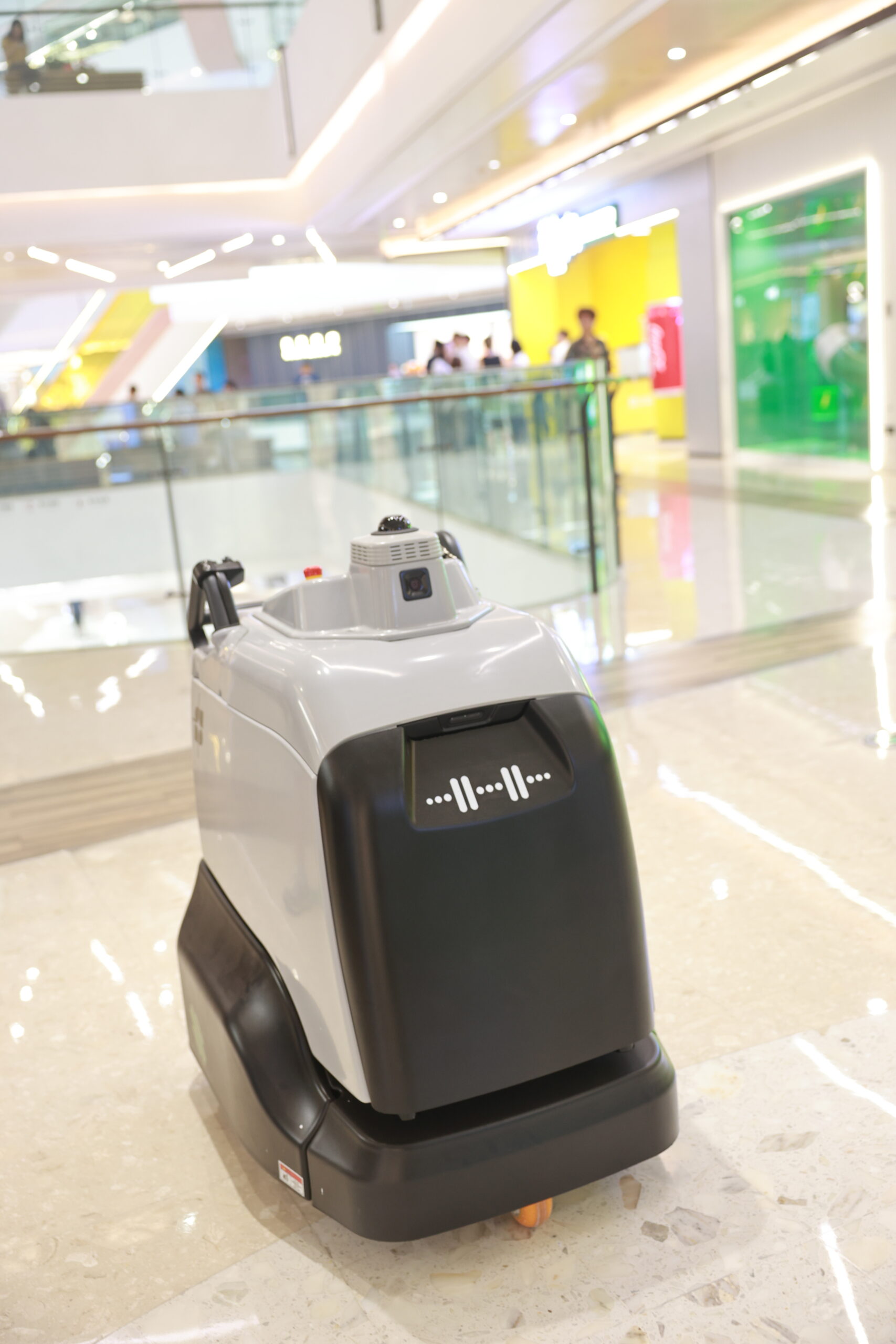
The Xiangdi Ultra community delivery robot from Chengdu Yuefan Innovation carried out real-world delivery tasks in the mall. Leveraging over 300 scenario validations, it achieved centimeter-level positioning and could autonomously take elevators and pass through turnstiles. The first robot delivery community in China has already been established in Chengdu. Company representatives stated that the competition, combined with real-world scenarios, tests equipment performance in noisy crowd environments, quickly revealing product strengths and weaknesses through genuine citizen feedback. Local enterprise Sichuan Embodied Humanoid Robot also used the competition to refine its “Aiqiu” companion robot, leveraging on-site user feedback to accelerate product commercialization.
Unlike previous events that only focused on product displays, this competition has fully upgraded its format. It innovatively adopts a monthly themed competition model, insisting on one competition per month, and has evolved from single product testing to full-chain implementation services. The scenario layout uses a “fixed points plus mobile patrol” approach. Future events will gradually enter industrial parks, scenic spots, campuses, and hospitals, allowing companion and delivery robots to permeate daily life. The competition also establishes a complete closed-loop mechanism: demand collection, technology implementation, real-world testing, and review optimization. Outstanding products directly connect with market resources, while new products still in development optimize their performance using massive real-world data.
Rooted in a fertile industrial soil, Chengdu’s robot industry is developing rapidly. The city currently hosts over 1,200 key AI and robot enterprises, with a core industry scale exceeding 150 billion yuan, a year-on-year increase of over 39%. It has 76 provincial-level or above science and innovation platforms, with over 60 units participating in industry standard setting. The local intelligent robot industry cluster has also obtained national-level