That was the sharing about the story of developing the Global GAP certified Techpal Rice product.
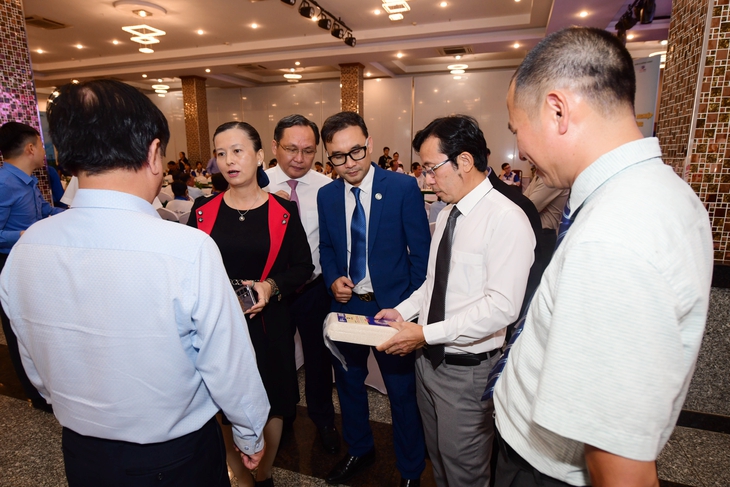
At the workshop – From Technology to Market held in Can Tho City on May 29, it was said that this stemmed from the reality that the market had many units distributing fake ST25 rice, even exporting it abroad without ensuring quality and origin.
From ST25 Global GAP rice…
appearing on the market has negatively affected the image and reputation of ST25 rice products among consumers. Faced with this situation, the People’s Committee of Soc Trang province had a policy to protect the local rice brand, contributing to increasing the value of ST25 rice.
To realize this, Techpal Group cooperated with the People’s Committee of Tran De district to implement a project to directly produce, distribute, and export ST25 rice.
The goal is to develop products directly from the growing area with the best soil. Elevate product quality, thereby increasing income for farmers and cooperatives. At the same time, develop deep-processed products, thus diversifying products from the growing area.
From these goals, the ST25 rice cultivation process was outlined with clearly sourced rice seeds, selecting the most suitable land area (Thanh Thoi An commune) for planting, harvesting, and preserving according to Global GAP standards, with traceability on the national traceability portal.
Importantly, farmers in cooperatives cooperating with the enterprise have their products purchased at a price higher than the market rate.
The result is ST25-Techpal rice has a distinct aroma and sweet taste, so it has a unique cooking formula completely different from other products on the market. The product is exported to the Australian market and displayed at many high-end supermarkets.
… to antibiotic-free chicken
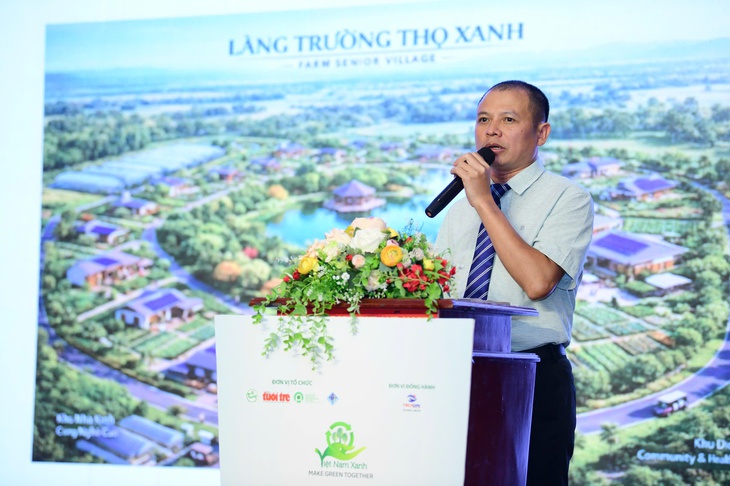
Following the success story of ST25-Techpal rice, Techpal Group currently plans to implement an industrial-scale poultry (chicken) farming project meeting antibiotic-free standards, aiming to create a tightly controlled linked chain from farm to table on the national traceability portal.
Along with that is building a value chain and spreading the farming process to households and businesses.
“With Techpal Group’s experience and cooperation with various units, the successful implementation of the project will create high-end livestock products aimed at consumer health and a green agriculture,” it was hoped.
To develop a sustainable green agricultural chain, the cooperative alliance must be the link connecting cooperatives with the chain. At the same time, it should support strict supervision and organization, and provide capital support for cooperatives needing to expand chain-linked cooperation.
“The city government uses the products in events to increase promotion, helping create output for products. The Department of Science and Technology supports traceability technology, exempts testing fees and product quality declaration costs,” it was proposed.
The workshop “Green Transformation in Agriculture – From Technology to Market” is taking place in Can