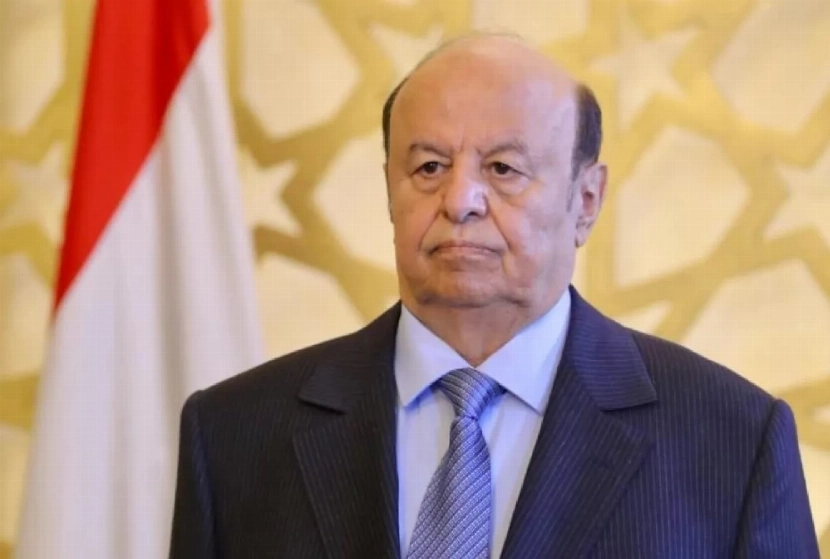
Funeral prayers for former Yemeni President Abdrabbuh Mansour Hadi will be held after the afternoon prayer tomorrow, Friday, the 12th of Dhu al-Hijjah 1447 AH, at the Imam Turki bin Abdullah Mosque in the capital Riyadh, and his body will be laid to rest in the Al-Oud Cemetery.
With Hadi’s passing, Yemen closes a chapter on a man whose name is linked to the most complex phases in the country’s modern history, from the transition of power in 2012, through the Houthi coup against legitimacy, to the formation of the coalition to support legitimacy led by the Kingdom of Saudi Arabia, and then the transfer of power to the Presidential Leadership Council in 2022.
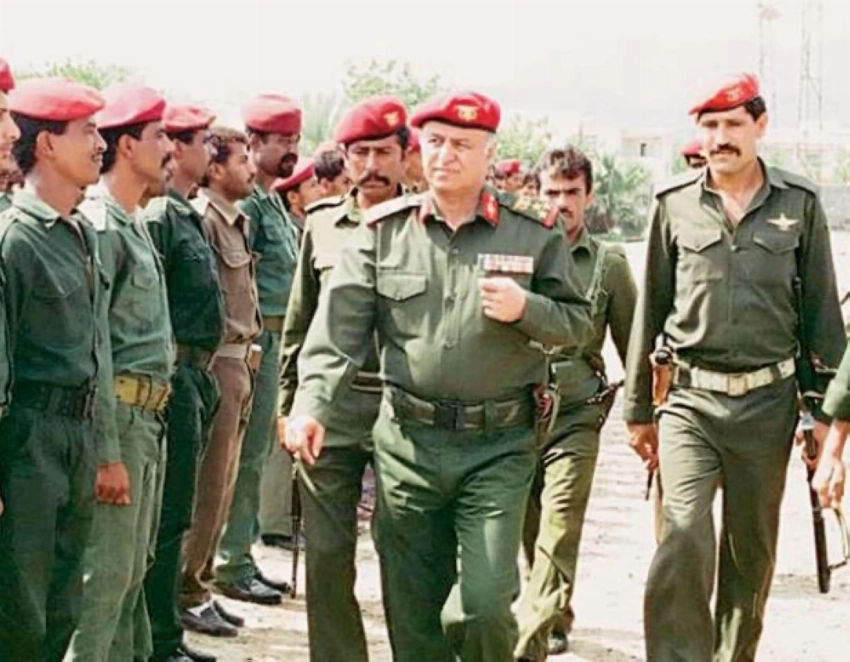
A Man Who Faced the Coup
The late president stood in the face of the Houthi militia’s coup at a moment when many institutions collapsed, and he chose to adhere to the legitimacy of the state and the republic, refusing to recognize the authority of the militias or provide any political cover for the coup.
In one of the most pivotal moments, Hadi managed in 2015 to break free from the house arrest imposed on him by the Houthi militias in Sanaa, declaring from Aden that the Yemeni state still existed and that the battle to restore the republic was not over.
Requesting the Coalition to Save Yemen
In March 2015, Hadi sent an official request to the Gulf Arab states, led by the Kingdom of Saudi Arabia, for urgent military intervention to protect Yemen from complete fall into the hands of the Iran-backed Houthis, after the militias reached Aden and threatened to topple state institutions.
According to those close to him, the request for intervention was not a pursuit of war or a clinging to power, but a last attempt to save Yemen after all political tracks failed to stop the coup.
Adherence to the State and the Republic
Hadi remained committed to the option of the state and the unity of Yemen, rejecting all projects of division or imposing a fait accompli by force. He also maintained his stance rejecting the Iran-backed Houthi project, considering that the main battle was the battle to restore the hijacked Yemeni state.
Transfer of Power.. “The Nation is Greater Than Positions”
In April 2022, the late president announced the transfer of his powers to the Presidential Leadership Council, a step that observers described as reflecting his awareness of the scale of challenges facing Yemen and his desire to unite ranks under a unified leadership.
The decision to establish the Presidential Leadership Council was based on the Yemeni constitution, the Gulf Initiative, and the outcomes of the national dialogue, aiming to achieve broader political partnership and confront the humanitarian and political challenges left by the war.
Many Yemenis saw Hadi’s departure from power not as the result of a coup or a personal deal, but as a declared political transition in which he placed Yemen’s interest above any other consideration.
Imam Turki bin Abdullah Mosque
Al-Oud Cemetery
Imam Turki bin Abdullah Mosque
Al-Oud Cemetery
Related news

Former minister reveals misconduct by the Reform Party within the government and urges Washington to take a risky action to stop it.

Al Ahly ties with Barcelona, Al Hilal surpasses Real Madrid, and Al Nassr stands alongside Manchester United in the Club World Cup list.

Gold’s stability boosts market confidence, with 21-karat gold holding steady at 524 riyals.

The Royal Commission for Riyadh announces the Riyadh Film Music Festival