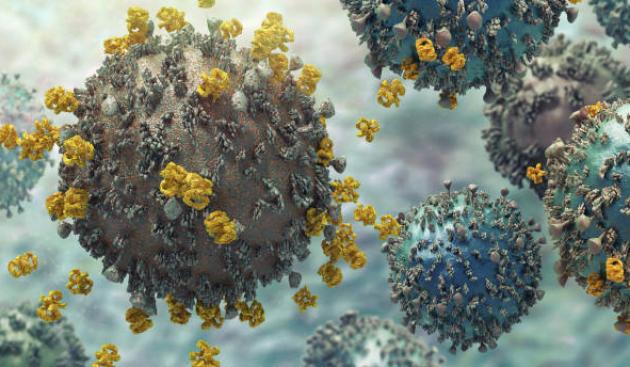
Illustration of the virus.
Hantavirus cases have drawn renewed attention after reports of a rare viral infection on the MV Hondius cruise ship, which reportedly resulted in a fatality.
The initial case involved a 70-year-old Dutch man who suddenly developed fever, headache, abdominal pain, and diarrhea while aboard the cruise ship. His condition worsened, leading to his death on April 11, 2026.
Another report mentioned that two men, aged 65 and 67, in Singapore were isolated after being on the same ship and flight as a confirmed hantavirus patient traveling from St. Helena to Johannesburg.
The emergence of these cases has prompted many to seek information about hantavirus, especially since its early symptoms often resemble mild illnesses like the common flu.
Hantavirus is a rare disease typically transmitted through rodents, particularly rats. The virus is commonly found in North and South America.
Transmission usually occurs when a person inhales viral particles from the urine, droppings, or nests of infected rats.
The risk of transmission increases when cleaning sheds, attics, or closed rooms that have been unused for a long time.
Additionally, the virus can enter the body through contaminated food, touching objects with the virus and then touching the face without washing hands, or through bites from infected rats.
Although concerning, human-to-human transmission is very rare and has only been recorded with the Andes virus type in South America.
Symptoms of hantavirus typically appear about two to three weeks after exposure.
In the early stage, patients generally experience sudden fever, muscle pain, headache, nausea, vomiting, abdominal pain, and diarrhea.
As the condition worsens, patients may develop coughing, shortness of breath, low blood pressure, and heart rhythm disturbances due to fluid buildup in the lungs.
The U.S. CDC states that there is currently no specific cure for hantavirus. Medical treatment focuses on keeping the patient stable and supporting vital organ function.
In severe cases, patients may require oxygen support, breathing assistance or intubation, and even dialysis if the virus begins to affect kidney function.
Therefore, the public is advised not to underestimate symptoms that appear after being in environments with many rats or areas that are rarely cleaned.
Maintaining home cleanliness, sealing rat entry points, and using masks and gloves when cleaning dusty areas are important steps to reduce the risk of hantavirus transmission.

MV Hondius
Singapore
St. Helena
MV Hondius
Singapore
St. Helena
Related news

“Banten Ranks Among Indonesia’s Top 10 Provinces with the Most International Medals”

A factory fire in Cikupa, Tangerang is suspected to have been caused by an electrical short circuit in a production machine.

Hilangkan Stres dengan Main Bareng Kucing Lucu di 4 Cat Cafe Tangerang
Kementerian UMKM Siap Pasarkan Batik Khas Kabupaten Tangerang Lewat Toko Online