
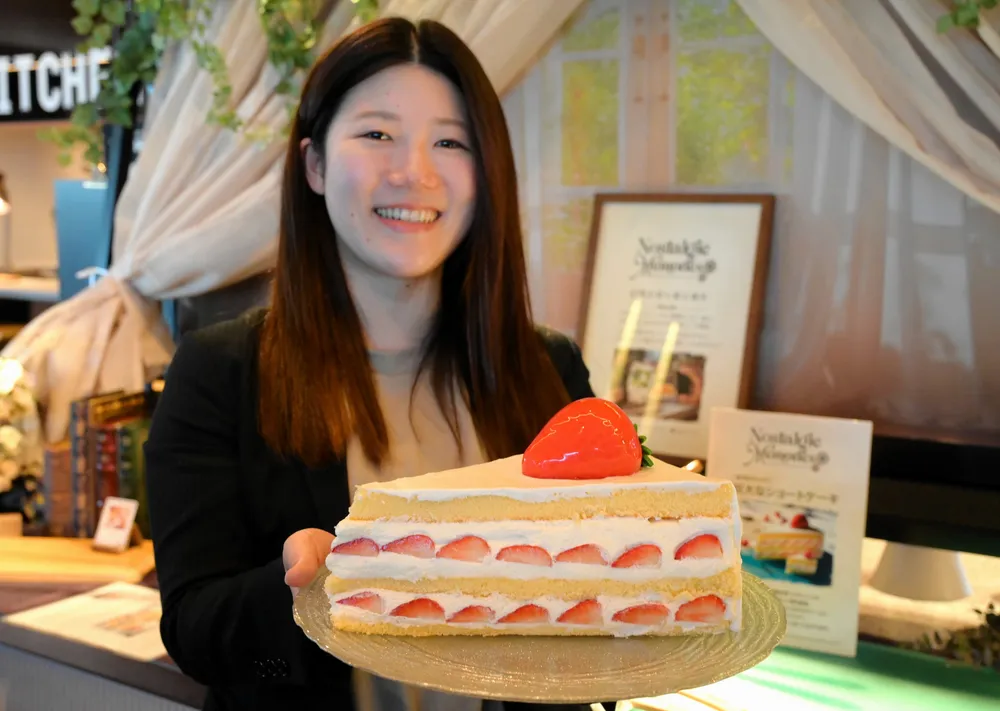
In Chuo Ward, Sapporo Stream Hotel (South 4 West 4) has launched a sweets buffet called “Nostalgic Memories” that lets you feel like a child again at the 7th floor “Bar & Grill Splish.”
…
Chuo Ward
Chuo Ward is a central special ward of Tokyo, Japan, historically known as the city’s commercial heart during the Edo period (1603–1868). It encompasses famous districts like Ginza, Nihonbashi, and Tsukiji, with Nihonbashi serving as the historic starting point for Japan’s national road network. Today, it blends this rich mercantile history with modern skyscrapers, luxury shopping, and cultural landmarks.
Sapporo Stream Hotel
The Sapporo Stream Hotel is a modern hotel located in the heart of Sapporo, Japan, known for its convenient access to the city’s main attractions and the nearby Toyohira River. While not a historic site itself, it stands in a city that gained prominence in the late 19th century when Sapporo was developed as a planned city, inspired by Western urban design. The hotel’s name likely reflects the flowing stream of the river, symbolizing the blend of natural beauty and urban development that defines Sapporo.
Bar & Grill Splish
Bar & Grill Splish is a well-known waterfront restaurant and nightclub located in the popular beach resort of Budva, Montenegro. Established in the early 2000s, it has become a vibrant social hub for both locals and tourists, offering dining, drinks, and live entertainment against the backdrop of the Adriatic Sea. Its lively atmosphere and prime location on the Budva Riviera have made it a staple of the region’s nightlife scene.
Chuo Ward
Chuo Ward is a special district located in the heart of Tokyo, Japan, renowned as a historic commercial and financial hub. Its history dates back to the Edo period when it flourished as a merchant district, centered around the iconic Ginza and Nihonbashi areas, the latter being the starting point of Japan’s five major roads. Today, Chuo Ward blends its rich cultural heritage with modern developments, housing landmarks like the Kabuki-za Theatre and the Tokyo Stock Exchange.
Ginza
Ginza is a historic and upscale shopping district in Tokyo, Japan, known for its luxury boutiques, department stores, and fine dining. Its name originates from a silver-coin mint established there in the early 17th century during the Edo period. After being rebuilt following the Great Kanto Earthquake and World War II, Ginza evolved into a symbol of modern Japanese prosperity and culture.
Nihonbashi
Nihonbashi is a historic bridge and commercial district in Tokyo, originally built in 1603 during the early Edo period. It served as the starting point of the five major roads (Gokaido) connecting Edo to
Chuo Ward
Chuo Ward is a central district of Osaka, Japan, known as a major commercial and entertainment hub. Historically, it was the heart of Osaka’s merchant culture during the Edo period, with areas like Shinsaibashi and Dotonbori flourishing as bustling shopping and theater districts. Today, it remains a vibrant center for business, dining, and tourism, blending modern skyscrapers with historic landmarks such as Osaka Castle.
Ginza
Ginza is a famous upscale shopping and entertainment district in Tokyo, Japan, known for its luxury boutiques, department stores, and fine dining. Its history dates back to the early 17th century, when it was the site of a silver coin mint (the name “Ginza” means “silver mint”), and it later became a symbol of Western modernization after a devastating 1872 fire led to the construction of Western-style brick buildings. Today, it remains a vibrant cultural and commercial hub, blending historic charm with cutting-edge architecture.
Nihonbashi
Nihonbashi is a historic district in Tokyo, Japan, best known for the Nihonbashi Bridge, which was constructed in 1603 during the early Edo period. The bridge served as the starting point of the five major roads (Gokaido) connecting Edo (now Tokyo) to other regions, and it became a vital commercial and cultural hub. Today, while the area is a modern financial center, the bridge remains a symbol of Japan’s feudal-era infrastructure and economic development.
Tsukiji
Tsukiji is a historic district in Tokyo, best known for its famous Tsukiji Outer Market, which offers fresh seafood and local street food. The area was once home to the world’s largest wholesale fish and seafood market, the Tsukiji Inner Market, which operated from 1935 until its relocation to Toyosu in 2018. Today, the Outer Market remains a popular tourist destination, preserving the vibrant culinary culture and history of the site.
Sapporo Stream Hotel
The Sapporo Stream Hotel is a modern hotel located in the heart of Sapporo, Japan, near the Toyohira River. It opened in the 1990s as part of the city’s development to accommodate growing tourism and business travelers. The hotel is known for its convenient access to popular attractions like Odori Park and the Sapporo TV Tower, blending contemporary comfort with the natural beauty of the riverside setting.
Bar & Grill Splish
Bar & Grill Splish is a popular beachside restaurant and bar located in Santa Monica, California, known for its casual, laid-back atmosphere and ocean views. Originally established in the mid-20th century, it has become a local landmark, offering classic American grill fare and cocktails while serving as a gathering spot for both tourists and residents. The venue’s history is tied to the area’s development as a beachfront destination, evolving over the years to maintain its vibrant, social character.
Kabuki-za Theatre
The Kabuki-za Theatre in Tokyo is the premier venue for kabuki, a classical Japanese dance-drama known for its elaborate costumes and stylized performances. Originally opened in 1889, the theatre has been rebuilt several times, most recently in 2013, after being destroyed by earthquakes and World War II bombings. It remains a cultural landmark, preserving the tradition of kabuki while offering modern audiences a glimpse into Japan’s theatrical heritage.
Tokyo Stock Exchange
The Tokyo Stock Exchange (TSE) is Japan’s largest stock exchange, founded in 1878 during the Meiji era to facilitate economic modernization. It was closed temporarily during World War II and reopened in 1949 under the Securities and Exchange Law. Today, it operates as part of the Japan Exchange Group and is one of the world’s major financial markets, home to the Nikkei 225 index.
Related news
Mixed-gender Mölkky tournament in Tōbetsu on June 13th
The Tobetsu Molkky Club is recruiting participants...

Gambling addiction: A firsthand account of its dangers presented at a seminar in Sapporo, with a doctor introducing prevention measures.
A seminar on gambling addiction awareness was held...
Sapporo’s Striking Art: “Wearable Bounty Flags”
Designer introducing clothing from the "sabumekko"...

The operating company and former president were summarily indicted for violations of the Urban Planning Act in the North Safari Sapporo unauthorized construction case.
North Safari Sapporo, which closed in 2025, was op...

Sapporo to Host Esports World Championships in 2026 and 2027, Marking the First Consecutive Multi-Year Event
The final day of the event held in Sapporo was pac...