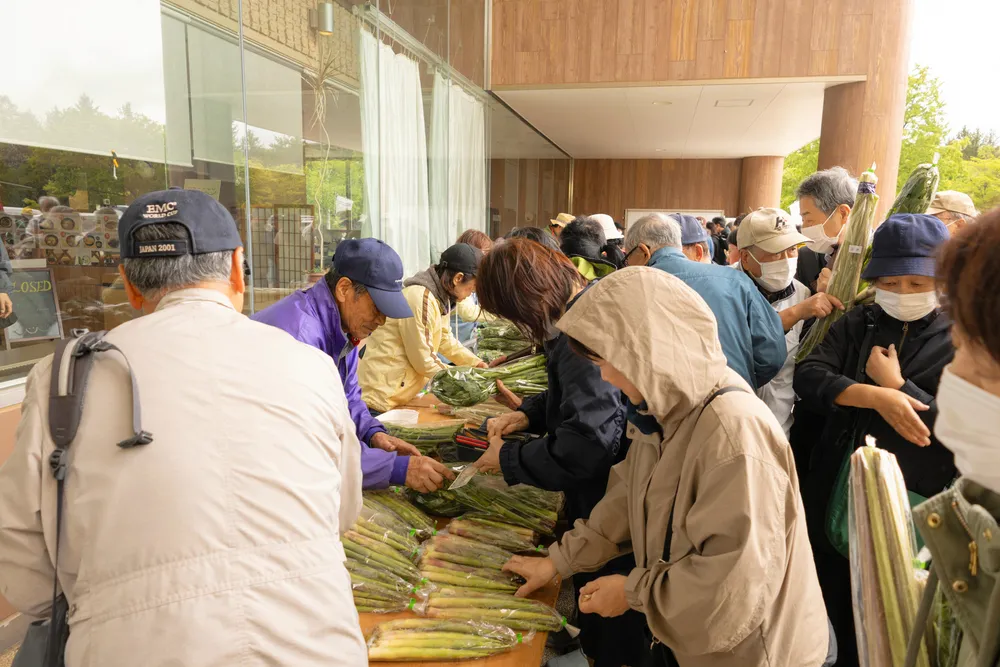
An event called “Forest Friends Komaoka Morning Market,” where local farmers sell vegetables they have grown, is being held starting May 10th.
Forest Friends Komaoka Morning Market
The Forest Friends Komaoka Morning Market is a lively community market held in the Komaoka area of Japan, known for offering fresh local produce, handmade crafts, and regional specialties. Its origins are rooted in fostering local connections and supporting small-scale farmers and artisans, creating a welcoming space for residents and visitors alike. The market reflects a tradition of morning markets in Japan, emphasizing seasonal goods and the spirit of community cooperation.
Komaoka
Komaoka is a historic area in Japan, best known as the site of the Komaoka Castle ruins, a hilltop fortress built in the 16th century by the local warlord Komaoka Ujinao. The castle played a role in the Sengoku period conflicts before being abandoned in the early Edo period. Today, the site is a peaceful park with remnants of stone walls and moats, offering visitors a glimpse into Japan’s feudal history.
Komaoka Castle ruins
The Komaoka Castle ruins, located in Saitama Prefecture, Japan, are the remnants of a mountain castle built during the late Heian period by the powerful Chichibu clan. It served as a strategic fortress during the Sengoku period before falling into ruin after the clan’s defeat. Today, the site features preserved earthworks and stone foundations, offering visitors a glimpse into medieval Japanese military architecture.
Komaoka
Komaoka is a scenic area in Japan, known for its historic Komaoka Castle ruins which date back to the Kamakura period. The site offers panoramic views of the surrounding landscape and serves as a popular spot for cherry blossom viewing. Today, it is a peaceful park that preserves the legacy of its feudal past.
Komaoka Castle ruins
The Komaoka Castle ruins, located in Saitama Prefecture, Japan, are the remains of a flatland castle built during the Muromachi period. It is historically significant as the site where the powerful Uesugi clan constructed a fortress to control the region, though it was later abandoned after the Sengoku period. Today, the ruins feature earthen ramparts, moats, and a reconstructed gate, offering visitors a glimpse into medieval Japanese castle architecture.
Saitama Prefecture
Saitama Prefecture, located just north of Tokyo, is a region that blends suburban development with rich historical heritage. Historically part of the ancient Musashi Province, it flourished during the Edo period as a key post town along the Nakasendo highway, and today it is known for cultural sites like the Bonsai Village in Saitama City and the ancient ruins of the Oshi Castle. Despite its modern reputation as a commuter hub for Tokyo, Saitama preserves traditional crafts and festivals, such as the Chichibu Night Festival, offering a glimpse into Japan’s past.
Komaoka Castle ruins
Komaoka Castle ruins are the remains of a medieval Japanese mountain castle located in Saitama Prefecture, built during the late Heian period by the local Koma clan. The castle served as a strategic stronghold for the clan but was eventually abandoned after the clan’s decline in the 16th century. Today, the site features surviving earthworks, moats, and stone foundations, offering a glimpse into feudal-era fortification design.
Saitama Prefecture
Saitama Prefecture, located just north of Tokyo, is known for its blend of suburban development and historical sites. Its history dates back to the Kofun period, as evidenced by ancient burial mounds like the Sakitama Kofun Cluster. Today, it is a major residential area for Tokyo commuters, while also preserving cultural landmarks such as Kawagoe’s old warehouse district, which reflects its Edo-period prosperity as a castle town.
Musashi Province
Musashi Province was one of the historical provinces of Japan, located in the Kantō region, encompassing present-day Tokyo, Saitama, and parts of Kanagawa. It was a major political and military center, especially during the Kamakura and Edo periods, and was home to the powerful samurai clans that shaped feudal Japan. The province is also famously associated with the legendary swordsman Miyamoto Musashi, who took his name from the region.
Nakasendo highway
The Nakasendo was one of the five major routes of the Edo period in Japan, connecting Kyoto and Edo (modern-day Tokyo) through the mountainous interior of Honshu. Established by the Tokugawa shogunate in the early 17th century, it served as a vital travel and trade artery for feudal lords, merchants, and pilgrims. Today, well-preserved sections of the highway, particularly the post towns of Magome and Tsumago, offer visitors a glimpse into Japan’s historic travel culture.
Bonsai Village
Bonsai Village, located in Omiya, Saitama, Japan, is a historic district that emerged in the early 20th century when bonsai growers relocated from Tokyo after the 1923 Great Kantō earthquake. It is home to several renowned nurseries, including the Omiya Bonsai Art Museum, which showcases the ancient art of cultivating miniature trees in containers. The village preserves the cultural heritage of bonsai, which dates back over a thousand years in Japanese tradition.
Oshi Castle
Oshi Castle, located in present-day Gyoda City, Saitama Prefecture, Japan, is a historic flatland castle renowned for its successful defense during the Siege of Oshi in 1590. Under the command of Toyotomi Hideyoshi, a massive force attempted to capture the castle, but its clever use of surrounding wetlands and resilient samurai defenders repelled the attack. Today, the site features reconstructed gates and stone walls, serving as a popular tourist destination that highlights Japan’s Sengoku-era military engineering.
Chichibu Night Festival
The Chichibu Night Festival, held annually on December 2-3 in Saitama Prefecture, Japan, is a vibrant winter celebration dating back over 300 years. It features ornate, lantern-lit floats paraded through the streets, accompanied by traditional music and spectacular fireworks. Recognized as a UNESCO Intangible Cultural Heritage, the festival honors the local Shinto deities and the region’s rich silk-weaving history.