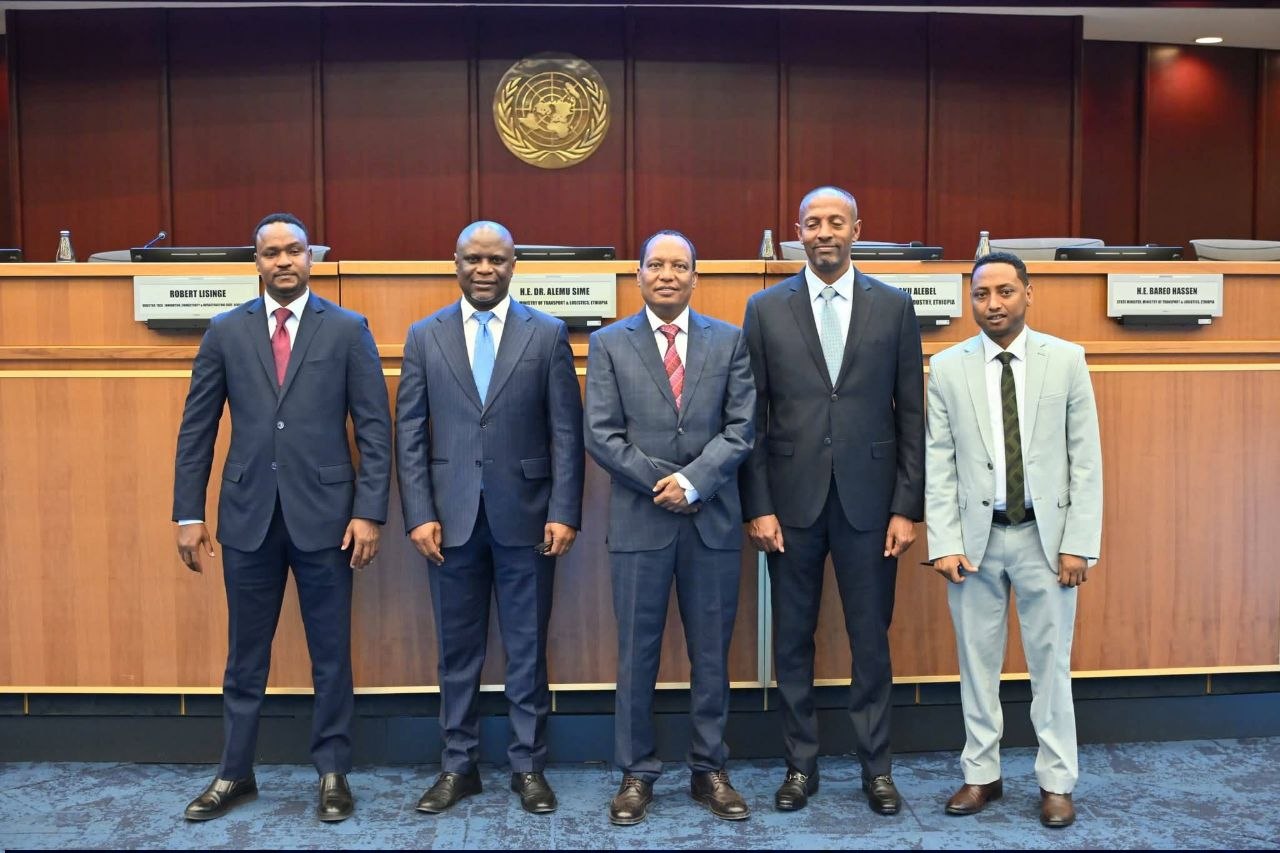
Ethiopia officially launched its electric mobility strategy and implementation plan for 2025-2030, marking a significant step toward accelerating the adoption of electric mobility and building a sustainable transportation system across the country.
In a speech during the launch workshop, the Minister of Transport and Logistics stated that the strategy is designed to create a modern transportation ecosystem, not merely to introduce electric vehicles.
According to the minister, the strategy outlines a comprehensive roadmap covering policy and regulatory reforms, charging infrastructure development, public transport integration, investment encouragement, private sector engagement, local manufacturing opportunities, and institutional coordination.
The minister also noted that the strategy aligns with Africa’s broader shift toward electric mobility for sustainable urban development and climate action, citing the African Union’s specialized technical committee approval of the Continental African Framework for Electric Vehicles.
The Minister of Industry linked the electric mobility initiative to Ethiopia’s wider agenda of industrialization and environmental sustainability.
He highlighted efforts in urban green spaces and eco-friendly transport projects, including electric bus services and non-motorized transport infrastructure.
The minister emphasized the importance of building manufacturing ecosystems and local industries, including vehicle assembly, battery value chains, technology transfer, consumer protection standards, and specialized training centers to develop skills for electric vehicle use.
The director of the technology, innovation, communication, and infrastructure division within the development arm of the United Nations Economic Commission for Africa stated that electric vehicle use is expanding rapidly across Africa and that Ethiopia is among the leading countries in this transformation.
He also outlined the commission’s support for developing electric mobility in Africa, including collaboration with the African Union Commission and the United Nations Environment Programme on regional policy frameworks and research on electricity demand and intra-African electric vehicle trade.
African Union
The African Union (AU) is a continental union founded in 2002 in Addis Ababa, Ethiopia, succeeding the Organization of African Unity (OAU), which was established in 1963 to promote decolonization and unity among African states. Its headquarters are located in Addis Ababa, and it aims to foster economic integration, peace, and security across the continent, while addressing challenges such as poverty and political instability. The AU represents all 55 African nations and plays a key role in shaping the region’s collective future.
United Nations Economic Commission for Africa
The United Nations Economic Commission for Africa (UNECA) is one of the UN’s five regional commissions, established in 1958 to promote the economic and social development of its member states across Africa. Headquartered in Addis Ababa, Ethiopia, it plays a key role in policy research, technical cooperation, and advocating for sustainable development and regional integration. Its iconic Africa Hall, built in 1961, is also historically significant as the site where the Organization of African Unity (now the African Union) was founded in 1963.
African Union Commission
The African Union Commission (AUC) is the secretariat and administrative arm of the African Union (AU), headquartered in Addis Ababa, Ethiopia. It was established in 2002 to replace the Organization of African Unity (OAU) Secretariat, reflecting the AU’s shift from decolonization-focused goals to deeper continental integration and development. The AUC oversees the implementation of AU policies, promotes peace and security, and drives initiatives like Agenda 2063 for Africa’s socioeconomic transformation.
United Nations Environment Programme
African Union
The African Union (AU) is a continental union established in 2002, replacing the Organization of African Unity (OAU) which was founded in 1963 to promote decolonization and unity. Headquartered in Addis Ababa, Ethiopia, the AU aims to foster political and economic integration, peace, and development across all African nations. Its key goals include achieving a unified Africa through initiatives like the African Continental Free Trade Area and promoting sustainable growth.
United Nations Economic Commission for Africa
The United Nations Economic Commission for Africa (UNECA) is one of the UN’s five regional commissions, established in 1958 to promote the economic and social development of its member states. Headquartered in Addis Ababa, Ethiopia, it was founded to support African countries in their post-colonial efforts to industrialize, integrate regional economies, and achieve sustainable development. Over the decades, UNECA has played a key role in shaping policies on trade, infrastructure, and statistics, while also advocating for Africa’s priorities in global economic forums.
Africa Hall
Africa Hall, located in Addis Ababa, Ethiopia, is a historic building that served as the headquarters of the United Nations Economic Commission for Africa (UNECA) and was the site of the founding of the Organization of African Unity in 1963. Opened in 1961, its design incorporates modernist and traditional Ethiopian architectural elements, symbolizing African unity and progress. Today, it remains an important cultural and political landmark, hosting conferences and events that continue to shape the continent’s development.
Organization of African Unity
The Organization of African Unity (OAU) was established on May 25, 1963, in Addis Ababa, Ethiopia, with the goal of promoting unity and solidarity among African states and eradicating colonialism across the continent. It played a crucial role in supporting liberation movements and mediating conflicts, but faced criticism for its non-interference policy in member states’ internal affairs. In 2002, the OAU was dissolved and replaced by the African Union, which adopted a more proactive approach to addressing political, economic, and social challenges.
African Union Commission
The African Union Commission (AUC) is the secretariat of the African Union (AU), headquartered in Addis Ababa, Ethiopia. Established in 2002 to replace the Organisation of African Unity’s secretariat, it manages the AU’s administrative functions and implements its decisions on continental integration, peace, and development. The commission oversees key initiatives like Agenda 2063, aiming to transform Africa into a global powerhouse.
United Nations Environment Programme
The United Nations Environment Programme (UNEP) is a leading global environmental authority established in 1972 following the UN Conference on the Human Environment. Headquartered in Nairobi, Kenya, it coordinates environmental activities, assists developing countries in implementing sound environmental policies, and promotes sustainable development through scientific research and international cooperation.