Young people from across Ethiopia confirmed that their growing participation in the upcoming elections scheduled for June 1, 2026 reflects an expanding civic space and increasing citizen confidence in the country’s electoral process.
In interviews, youth representatives from different regions described the current electoral environment as more open and competitive compared to previous elections, noting the broader participation of opposition parties and greater opportunities for political involvement.
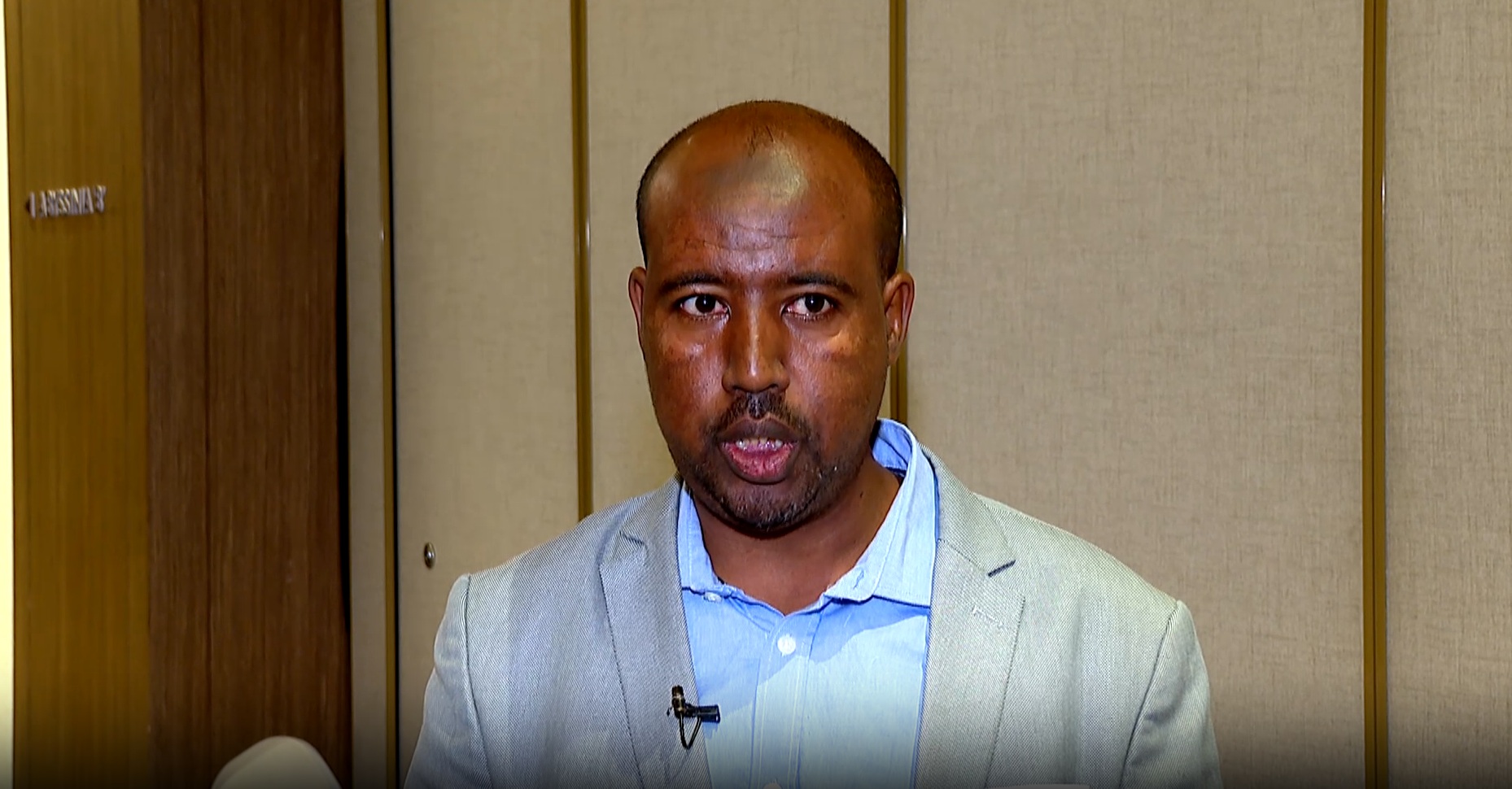
A representative of the Peace Youth Association in the Somali region stated that the ongoing election campaign period has allowed political parties to present their programs and ideas freely and without intimidation.
He added that the presence of multiple competing parties and candidates has contributed to creating a more inclusive political climate compared to previous elections.
He explained that the current electoral process reflects notable progress compared to past elections, where political competition was often considered limited.
He also emphasized the important role of youth before, during, and after the elections, stressing that voting should be seen as part of a broader democratic culture, not a cause for division.
The youth leader called on young people to reject hate speech, misinformation, and other forms of inflammatory rhetoric that could undermine peace and social cohesion.
He said: “We encourage young people not to engage in hate speech or false or misleading information that could lead to conflicts and disturb the peaceful atmosphere.”
From the Gambela region, a youth representative said he has already registered and received his voter ID card, calling on other young people to actively participate in the elections.
He added: “We are waiting for election day to cast our votes and make our voices heard.”
He pointed out that many young people in the region are showing great interest in the elections, expressing optimism that the process will continue in a peaceful atmosphere.
He added that youth associations are working to encourage calm, organized, and responsible participation throughout the electoral process.
He said: “My role is to encourage young people and all Ethiopians to participate peacefully in the elections.”
According to the National Electoral Board of Ethiopia, more than 50 million citizens are eligible to vote in the upcoming elections, while over 5.5 million voters have already registered either in person or through the “Merchay” digital application.
The board also reported that 47 political parties have fielded 10,934 candidates to contest the elections.
Additionally, 55 local monitoring groups have deployed over 60,277 observers and agents, while about 170 civil society organizations are conducting election awareness campaigns and related training programs.
The increasing engagement from youth, along with the broad participation of political parties, observers, and civil society organizations, indicates growing popular enthusiasm and commitment to conducting a peaceful and credible electoral process ahead of the June vote.