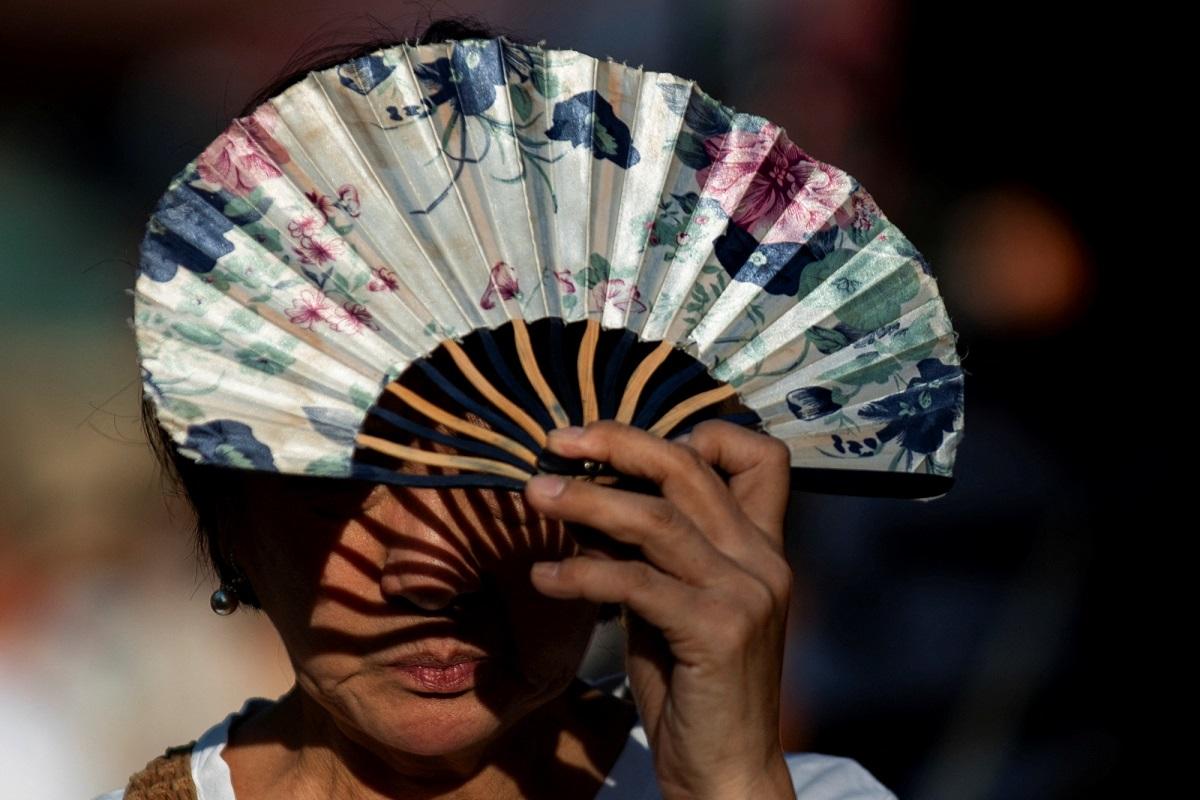
Based on the five-day heat index forecast, the following areas may record “danger” heat index levels ranging from 42°C to 51°C, with the highest recorded in Sangley Point in Cavite at 47°C:
47°C
- Sangley Point, Cavite City, Cavite
46°C
- Tuguegarao City, Cagayan
- San Ildefonso, Bulacan
45°C
- Laoag, Ilocos Norte
- Dagupan City, Pangasinan
- Aparri, Cagayan
- Casiguran, Aurora
- TAU Camiling, Tarlac
- Ambulong, Tanauan, Batangas
- Borongan, Eastern Samar
44°C
- NAIA, Pasay City, Manila
- Sinait, Ilocos Sur
- DMMMSU, Bacnotan, La Union
- Calayan, Cagayan
- ISU Echague, Isabela
- CLSU, Munoz, Aurora
- Hacienda Luisita, Tarlac
- Tayabas, Quezon
- Alabat, Quezon
- Coron, Palawan
- Cuyo, Palawan
- Masbate City, Masbate
- CBSUA Pili, Camarines Sur
43°C
- MMSU, Batac, Ilocos Norte
- Baler (Radar), Aurora
- Iba, Zambales
- Clark Airport (DMIA), Zambales
- Cubic Pt., Subic Bay, Olongapo City
- Mulanay, Quezon
- NAS, UPLB, Los Banos
- San Jose, Occidental Mindoro
- Romblon, Romblon
- Daet, Camarines Norte
- Legazpi City, Albay
- Virac (Synop), Catanduanes
- BIA Daraga, Albay
- Roxas City, Capiz
- Dumangas, Iloilo
- Tacloban City, Leyte
- VSU Baybay, Leyte
- Guiuan, Eastern Samar
- Surigao City, Surigao del Norte
- Hinatuan, Surigao del Sur
42°C
- Science Garden, Quezon City
- Infanta, Quezon
- Calapan, Oriental Mindoro
- Juban, Sorsogon
- Iloilo City, Iloilo
- Mactan International Airport, Cebu
- Catarman, Northern Samar
- Maasin, Southern Leyte
- Dipolog, Zamboanga del Norte
- Butuan City, Agusan del Norte
Meanwhile, 25 areas are expected to experience “extreme caution” heat index levels ranging from 33°C to 41°C.
41°C</p
Sangley Point, Cavite City, Cavite
Sangley Point is a peninsula located in Cavite City, Philippines, historically significant as a key naval and military installation. During the American colonial period, it became the site of the U.S. Naval Station Sangley Point, which played a crucial role in the Pacific theater of World War II and later served as a logistics hub during the Vietnam War. The area was turned over to the Philippine government in the 1970s and has since been redeveloped for commercial and residential use.
Tuguegarao City, Cagayan
Tuguegarao City is the capital of Cagayan province in the Philippines, known for its historic landmarks and vibrant culture. Founded by Spanish missionaries in the early 17th century, it served as a key center for trade and evangelization, with the iconic St. Peter’s Cathedral and the Buntun Bridge as notable sites. Today, it is a bustling urban hub famous for its “Pancit Batil Patung” and as a gateway to the region’s natural attractions.
San Ildefonso, Bulacan
San Ildefonso is a first-class municipality in the province of Bulacan, Philippines, known for its rich agricultural lands and historical significance. Its name is derived from Saint Ildephonsus, and the town played a role in the Philippine Revolution against Spanish colonial rule. Today, it is recognized for its annual “Pahiyas” festival and as the home of the historic San Ildefonso Church, built during the Spanish era.
Laoag, Ilocos Norte
Laoag is the capital city of Ilocos Norte in the Philippines, known for its rich history and Spanish colonial architecture. Founded by Spanish conquistadors in the 16th century, it features landmarks like the Sinking Bell Tower and St. William’s Cathedral. The city also played a role in the Philippine Revolution and is the birthplace of former President Ferdinand Marcos.
Dagupan City, Pangasinan
Dagupan City is a major commercial and educational hub in the province of Pangasinan, Philippines, located along the Lingayen Gulf. Historically, it was heavily damaged during the 1990 Luzon earthquake but was rebuilt into a modern urban center. The city is also known for its vibrant Bangus (milkfish) Festival, celebrating its status as the “Bangus Capital of the Philippines.”
Aparri, Cagayan
Aparri is a coastal town in the province of Cagayan, Philippines, historically significant as a major trading port during the Spanish colonial era. It served as a key entry point for goods from Asia and the Americas, and its name is believed to derive from the Ibanag word “appari,” meaning “to exchange.” Today, it remains a vibrant fishing community and gateway to the northern Philippines.
Casiguran, Aurora
Casiguran is a coastal municipality in the province of Aurora, Philippines, known for its scenic beaches and rich historical significance. Originally settled by early Austronesian peoples, it became a key site during the Spanish colonial era as a mission town and later served as a refuge for revolutionary forces during the Philippine-American War. Today, it is recognized for its natural attractions like Ditumabo Falls and its role in preserving indigenous Dumagat culture.
Borongan, Eastern Samar
Borongan is a coastal city and the capital of Eastern Samar in the Philippines. Historically, it was established as a Spanish mission settlement in the early 18th century and later became a center for trade and governance. Today, it is known for its natural attractions, such as beaches and caves, as well as the annual Diwal Festival celebrating local culture and abundance.