ICC to order re-examination of Rodrigo Duterte’s fitness.
Filtered by: Topstories
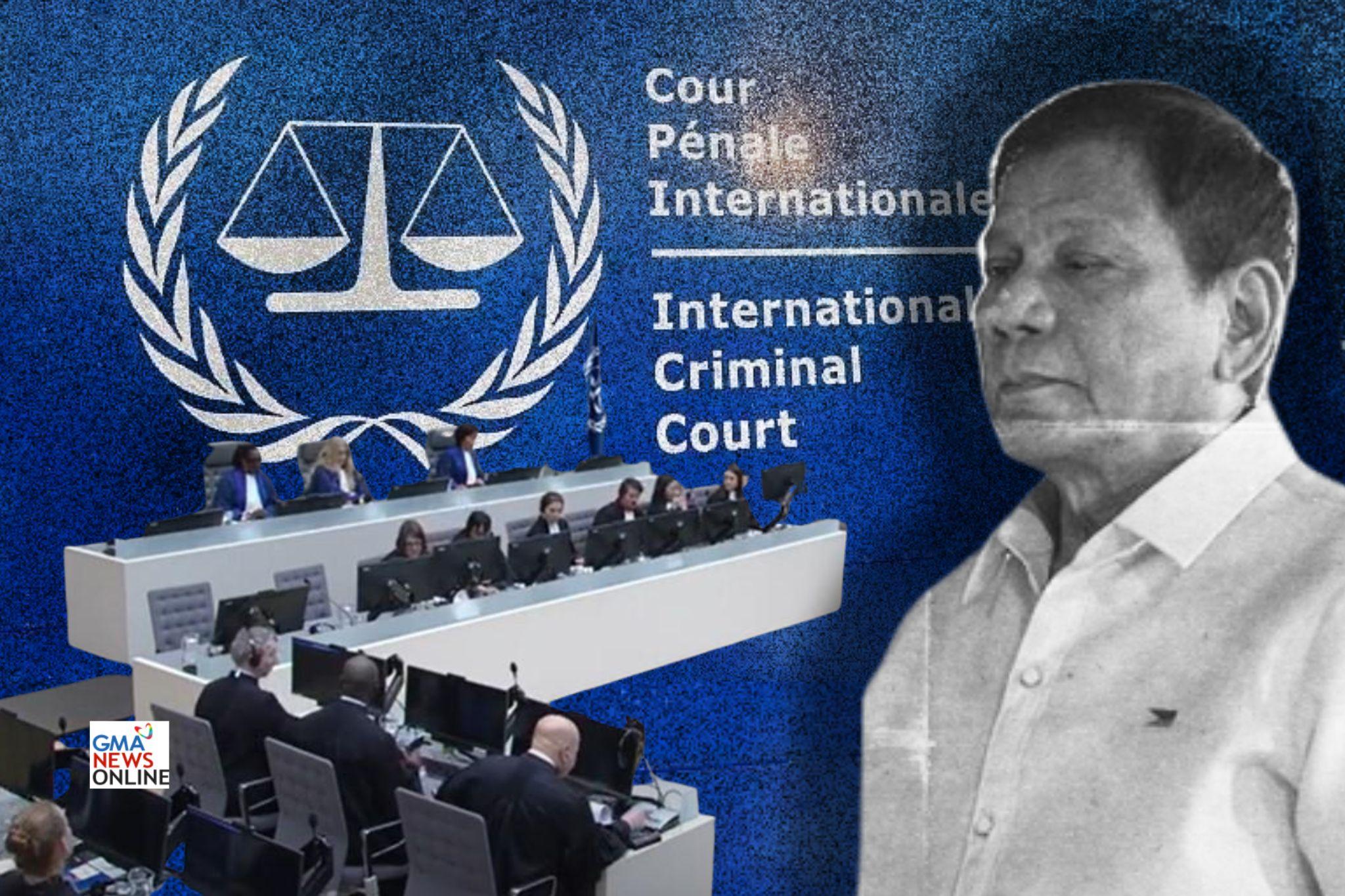
International Criminal Court Trial Chamber III Judge Joanna Korner on Wednesday said the court would order a re-examination of former president Rodrigo Duterte’s fitness to stand trial in his crimes against humanity case over alleged killings during his time as president and mayor.
During the case’s first status conference, Korner said Duterte’s defense team had filed a motion arguing that the earlier finding on his fitness applied only to the confirmation of charges proceedings.
“You very sensibly proposed that the three gentlemen who examined him for the purposes of the confirmation proceeding should be reinstructed to reexamine him,” Korner said.
“And we propose to make that order, hopefully either today or tomorrow,” she added.
However, Korner deferred ruling on the defense’s request to make the experts available for questioning.
“I rather think we’ll wait and see what the reports say before we make such a decision,” she said.
Duterte’s legal counsel, lawyer Peter Haynes, expressed agreement with the proposal.
The Trial Chamber held its first status conference on Wednesday to discuss the commencement date of the trial, pretrial deadlines, anticipated evidence, agreed facts, the languages to be used by the parties, and disclosure obligations, among other matters.
GNO Newsletter Sending Email Logo
International Criminal Court
The International Criminal Court (ICC) is a permanent judicial body established in 2002 by the Rome Statute to prosecute individuals for genocide, war crimes, crimes against humanity, and the crime of aggression. Located in The Hague, Netherlands, it was created as a global response to the atrocities of the 20th century, aiming to end impunity for the world’s most serious offenses. The ICC operates independently of the United Nations, though it can work with the UN Security Council, and has jurisdiction over crimes committed by nationals of member states or on their territory.
International Criminal Court
The International Criminal Court (ICC) is a permanent international tribunal located in The Hague, Netherlands, established to prosecute individuals for genocide, crimes against humanity, war crimes, and the crime of aggression. It was created by the Rome Statute, which came into force on July 1, 2002, marking a major milestone in international law after decades of ad hoc tribunals. The ICC aims to complement national judicial systems and hold perpetrators accountable when states are unable or unwilling to do so.
The Hague
The Hague, located in the Netherlands, is the seat of the Dutch government and the home of the royal family, though Amsterdam is the official capital. Historically, it originated as a hunting lodge for Dutch counts in the 13th century and later grew into a political and diplomatic hub. Today, it is known as the “International City of Peace and Justice,” hosting the International Court of Justice and numerous global organizations.
Netherlands
The Netherlands, also known as Holland, is a country in Northwestern Europe renowned for its flat landscape of canals, tulip fields, windmills, and cycling routes. Historically, it was a major maritime power during the Dutch Golden Age in the 17th century, establishing global trade networks and colonies. Today, it is a constitutional monarchy known for its progressive policies, vibrant cities like Amsterdam, and rich cultural heritage.