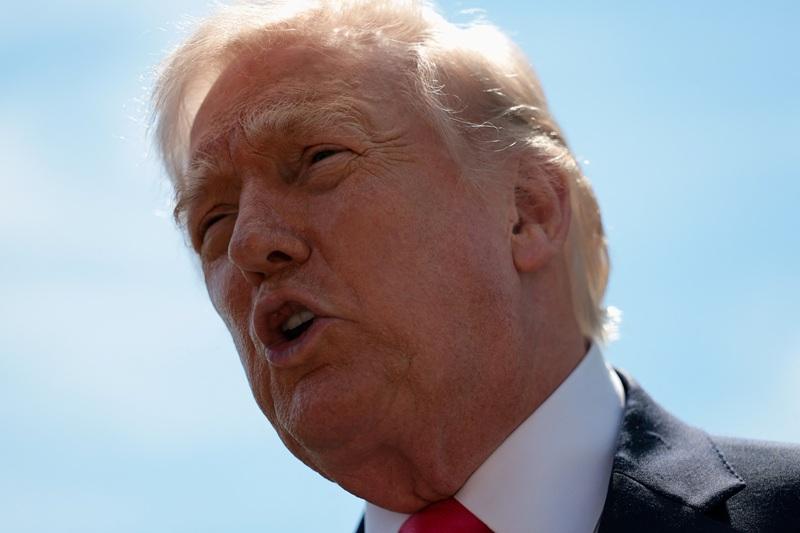
WASHINGTON/DUBAI/ISLAMABAD — US President Donald Trump indefinitely extended the ceasefire with Iran on Tuesday, hours before it was set to expire, to allow the two countries to continue peace talks.
In a statement on social media, Trump said he had agreed to a request by Pakistan, which has mediated peace talks, “to hold our Attack on the Country of Iran until such time as their leaders and representatives can come up with a unified proposal.”
It was the latest instance of Trump backing down from his repeated threats to bomb power plants and other civilian infrastructure in Iran, which experts have warned could constitute war crimes.
Trump, who with Israel launched the war on Iran on February 28, said he decided to extend the ceasefire because “the Government of Iran is seriously fractured, not unexpectedly so,” a reference to U.S.-Israeli assassinations of some of the country’s leaders, including the late Supreme Leader Ayatollah Ali Khamenei, who has been succeeded by his son.
Thousands of people have been killed since the war began in countries across the Middle East, and the global economy has been shaken by the virtual closure of the Strait of Hormuz, a vital conduit for oil and gas.
Trump said he would continue the U.S. Navy’s blockade of Iran’s ports and shore, which Iran’s leaders have said is an act of war, and became a sticking point as the two countries wavered this week on whether to send negotiators to a second round of peace talks in Islamabad, the Pakistani capital.
There appeared to be no immediate comment on Trump’s announcement, which came on Tuesday mid-afternoon Washington time, from Iran, Israel or Pakistan.