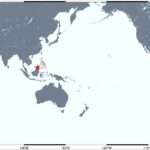
Search and rescue operations were underway at the site of the collapsed building in Angeles City, Pampanga, where emergency responders also rescued a dog amid the rubble.
A video released by the city’s information office shows a responder calling a dog that was hiding underneath the rubble of concrete debris and bent steel bars.
The dog is now in the custody of the rescuers and will undergo a check-up by personnel from the local veterinary office.
Angeles City
Angeles City, located in the Philippines’ Pampanga province, was originally a small settlement that grew around a Spanish-era hacienda established in the late 18th century. It became a key hub during the American colonial period due to the nearby Clark Air Base, which later fueled its development as a major commercial and entertainment center. Today, Angeles City is known for its vibrant nightlife, historical landmarks like the Holy Rosary Parish Church, and its role as a gateway to Mount Pinatubo.
Pampanga
Pampanga is a province in the Philippines known as the “Culinary Capital of the country” for its rich and diverse cuisine, such as sisig and tocino. Its history dates back to pre-colonial times as a thriving settlement, and it later became one of the first Spanish provinces in the 16th century. Pampanga also played a significant role in the Philippine Revolution and is home to historical sites like the 18th-century Betis Church and the Mount Pinatubo volcano, which erupted dramatically in 1991.
Angeles City
Angeles City, located in the Philippines’ Pampanga province, has a history deeply shaped by the presence of Clark Air Base, a former U.S. military installation that operated for nearly a century until 1991. The city became a major hub for American servicemen, which fueled its development and a vibrant entertainment scene. Today, it has transformed into a key economic and cultural center, known for its culinary heritage, particularly its famous sisig dish.
Pampanga
Pampanga is a province in the Philippines known for its rich culinary heritage and vibrant cultural traditions, often called the “Culinary Capital of the Philippines.” Historically, it was one of the earliest Spanish settlements in the country, established in the 16th century, and played a significant role in the Philippine Revolution against Spanish rule. Today, Pampanga is famous for its Kapampangan cuisine, colorful festivals like the Giant Lantern Festival, and historic landmarks such as the San Guillermo Parish Church.
Holy Rosary Parish Church
The Holy Rosary Parish Church is a Catholic place of worship often dedicated to the Virgin Mary under the title of Our Lady of the Rosary. Many churches with this name have deep historical roots, such as the one in the Philippines or the United States, often built during the Spanish colonial or early 20th-century periods to serve growing immigrant communities. These churches typically feature traditional Gothic or Baroque architecture and have served as central spiritual and community hubs for generations.
Mount Pinatubo
Mount Pinatubo is an active stratovolcano located on the island of Luzon in the Philippines, best known for its catastrophic eruption in June 1991—the second-largest volcanic eruption of the 20th century. The eruption dramatically altered the surrounding landscape, burying vast areas in ash and lahar, and led to the formation of a stunning crater lake at its summit. Today, the area has become a popular destination for hiking and tourism, offering a unique glimpse into the powerful forces of nature and the region’s recovery.
Clark Air Base
Clark Air Base is a former United States Air Force base located on the island of Luzon in the Philippines, originally established by the U.S. Army in 1903. It played a critical role in World War II, the Vietnam War, and Cold War operations before being heavily damaged by the eruption of Mount Pinatubo in 1991. The base was subsequently turned over to the Philippine government and later developed into Clark Freeport and Special Economic Zone.
Betis Church
Betis Church, officially known as the Church of Santiago Apostol, is a historic Catholic church located in Betis, Guagua, Pampanga, Philippines. Built in the 18th century by Augustinian friars, it is renowned for its stunning Baroque architecture and intricate ceiling paintings, earning it the nickname “Sistine Chapel of the Philippines.” The church has survived natural disasters and wars, serving as a enduring symbol of faith and artistry in the region.