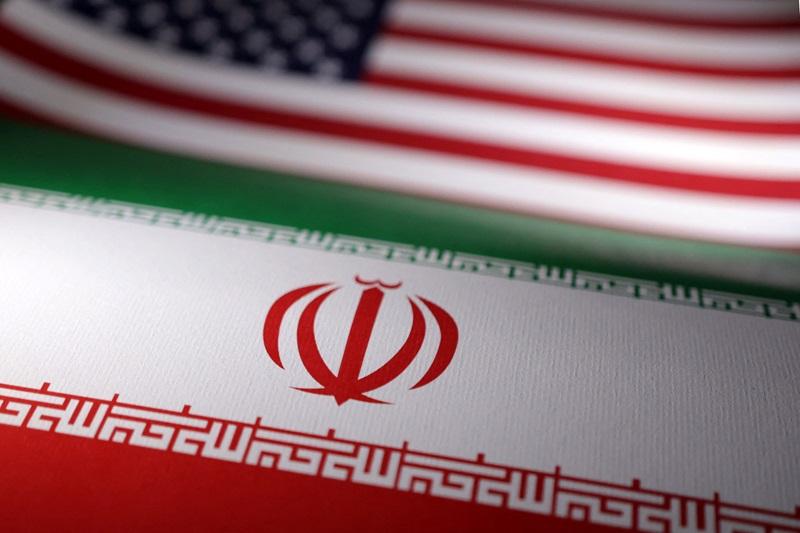
The US military carried out strikes on Monday in southern Iran against targets including boats attempting to lay mines and missile launch sites, in what it described as defensive actions.
US Central Command said in a statement the strikes were designed “to protect our troops from threats posed by Iranian forces.”
“US Central Command continues to defend our forces while using restraint during the ongoing ceasefire,” said a Central Command spokesperson.
Iran
Iran, historically known as Persia, is a country in Western Asia with a rich cultural heritage dating back over 2,500 years. It was once the center of the vast Achaemenid Empire, known for its advanced administration and architectural marvels like Persepolis. Today, Iran is renowned for its Islamic architecture, poetic traditions, and significant contributions to art, science, and philosophy.
Iran
Iran, historically known as Persia, is a country in Western Asia with a rich cultural heritage dating back thousands of years. It was home to one of the world’s oldest continuous civilizations, including the powerful Achaemenid Empire, and later became a center of Islamic art, science, and literature. Today, Iran is known for its stunning architectural sites like Persepolis and Isfahan’s Naqsh-e Jahan Square, reflecting its deep historical and cultural significance.
Persia
Persia, historically known as one of the world’s oldest continuous civilizations, was the heart of the vast Achaemenid Empire founded by Cyrus the Great in the 6th century BCE. Renowned for its cultural and architectural achievements, including the ceremonial capital of Persepolis, it later became a center of Islamic learning and art after the Arab conquest in the 7th century. Today, Persia is synonymous with Iran, preserving a rich legacy of poetry, philosophy, and intricate craftsmanship that has influenced global culture for millennia.
Achaemenid Empire
The Achaemenid Empire, founded by Cyrus the Great in the 6th century BCE, was the first Persian empire and one of the largest in ancient history, stretching from the Balkans to the Indus Valley. Known for its advanced administration, cultural tolerance, and infrastructure like the Royal Road, it reached its zenith under Darius I. The empire fell to Alexander the Great in 330 BCE, leaving a lasting legacy in governance and architecture, notably at Persepolis.
Persepolis
Persepolis was the ceremonial capital of the Achaemenid Empire, founded by Darius I in the 6th century BCE. It served as a grand symbol of Persian power and hosted elaborate festivals, most notably Nowruz, until it was sacked and burned by Alexander the Great in 330 BCE. Today, its impressive ruins in Iran are a UNESCO World Heritage site, offering a glimpse into the wealth and artistry of ancient Persia.