These inscriptions date from the reign of the Chola emperor between 985 and 1014 AD
New Delhi, May 18. A historic achievement has been made regarding India’s cultural heritage. The Netherlands has formally handed over the centuries-old Anaimangalam copper plates to India.
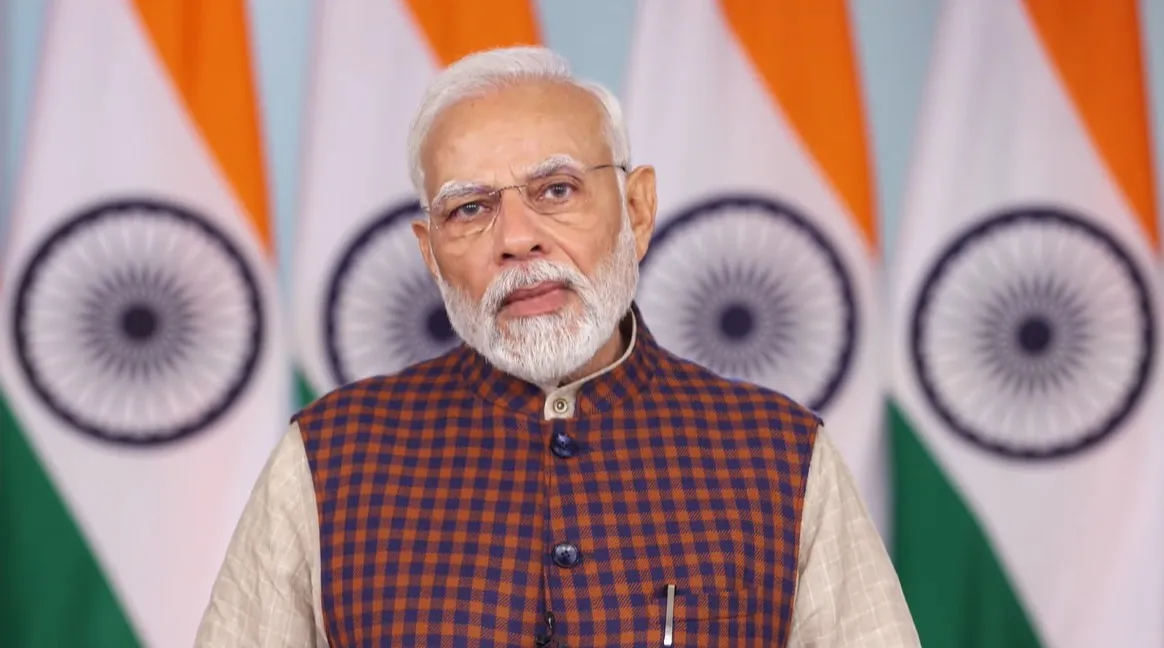
The return of these rare copper inscriptions from the Chola period is a major step toward recovering Indian heritage taken abroad during the colonial era. This historic return took place during Prime Minister Modi’s visit to the Netherlands as part of his five-nation tour.
According to media reports, these copper plates, known in the Netherlands as the ‘Leiden Plates,’ had been safely stored at Leiden University for a long time. These inscriptions are believed to date from the reign of the Chola emperor between 985 and 1014 AD.
Historians consider them an important document of Tamil civilization and the Chola administrative system. The records contain information about land grants, tax systems, and revenue given to the Buddhist monastery ‘Chudamani Vihara’ in Nagapattinam. This monastery was built by Sri Maravijayotungavarman, a ruler of the Srivijaya Empire.
According to experts, these copper plates are not just administrative records but also important evidence of maritime trade, religious coexistence, and cultural connections between South India and Southeast Asia during that period. They show that the Chola rulers strengthened the tradition of religious harmony by patronizing Buddhist institutions.
Historians believe this period was a golden age of strong cultural and trade contacts between the Indian subcontinent and Southeast Asia. These copper plates include 21 large and 3 small copper plates, with a total weight of about 30 kilograms.
They are connected by a circular copper ring, which bears the royal Chola seal. Although the original grant was issued during the reign of Rajaraja Chola I, his son Rajendra Chola later ordered them to be engraved on copper plates for permanent preservation.
Historians believe these copper plates were taken to Europe during the 18th century under Dutch colonial rule. At that time, the Dutch East India Company had expanded its influence on the Coromandel coast and made Nagapattinam a major center.
India had been making efforts for years to return these historical treasures. The process gained momentum after the Netherlands adopted a new policy in 2022 regarding the return of colonial-era artifacts, and finally, this invaluable heritage has now been returned to India.
Anaimangalam copper plates
The Anaimangalam copper plates are a set of ancient Indian inscriptions dating back to the 8th century CE, discovered in Tamil Nadu. They record a grant of land and privileges by a Pallava king to a Jain monastery, providing valuable historical insights into the religious and administrative practices of the Pallava dynasty. These plates are significant for understanding early medieval South Indian history and the patronage of Jainism in the region.
Leiden Plates
The Leiden Plates are a set of pre-Columbian carved jade plaques from the Maya civilization, discovered in the early 20th century near the Caribbean coast of present-day Guatemala. Dating to around 320 CE, they feature elaborate hieroglyphic inscriptions and depictions of rulers, providing key insights into early Maya history, politics, and religion. The plates are named after the city of Leiden, Netherlands, where they were first studied and published.
Chudamani Vihara
Chudamani Vihara was an ancient Buddhist monastery located in Nagapattinam, Tamil Nadu, India, built in the early 11th century by the Srivijayan king Sri Maravijayottungavarman. It served as a significant center for Buddhist learning and cultural exchange between the Srivijaya Empire and the Chola kingdom. The vihara was later renovated by the Chola king Rajaraja I and remained an important site for maritime trade and religious connections across Southeast Asia.
Nagapattinam
Nagapattinam is a historic port city on the southeastern coast of Tamil Nadu, India, with a rich maritime history dating back over 2,000 years. It was a major trading hub for the Chola dynasty and later attracted European colonial powers, including the Portuguese, Dutch, and British. The town is also known for its cultural diversity, featuring ancient Hindu temples, a 16th-century Catholic basilica, and a significant Buddhist heritage linked to the region’s early trade with Southeast Asia.
Leiden University
Leiden University, founded in 1575 in the Netherlands, is one of the oldest and most prestigious universities in Europe. It was established by William of Orange as a reward for the city’s resistance during the Spanish siege, and it quickly became a leading center for the humanities, sciences, and law. The university is also renowned for its historic connections to figures like René Descartes and for housing the famous Leiden Botanical Garden.
Coromandel coast
The Coromandel Coast is a historically significant region along the southeastern coast of India, known for its role in maritime trade and colonial conflicts. It was a key area for the Chola dynasty’s naval power and later became a contested territory between European powers, particularly the British, French, and Dutch, who established trading posts there. Today, the coast is famous for its beaches, temples, and the bustling city of Chennai, reflecting a rich blend of ancient and colonial history.
Netherlands
The Netherlands, often referred to as Holland, is a country in Northwestern Europe known for its flat landscape, canals, tulip fields, and windmills. Its history includes the Dutch Golden Age in the 17th century, when it became a leading maritime and economic power with a vast colonial empire. Today, it is a modern constitutional monarchy, famous for its progressive policies and cultural contributions from artists like Rembrandt and Van Gogh.
India
India is a vast country in South Asia with a rich history spanning over 5,000 years, home to the ancient Indus Valley Civilization. It has been a crossroads of major religions and empires, including the Maurya, Gupta, and Mughal dynasties, before becoming a British colony and gaining independence in 1947. Today, India is known for its diverse culture, iconic landmarks like the Taj Mahal, and its status as the world’s largest democracy.