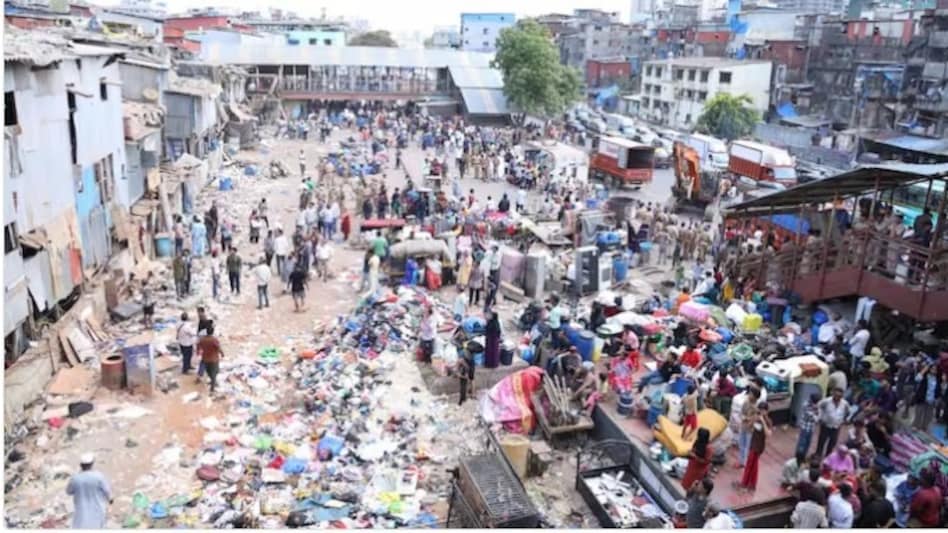
This action, ordered by the Bombay High Court, will completely transform the face of Mumbai’s transport network, while hundreds of families trapped between election promises and ground reality have been left homeless in this scorching heat.
Bombay High Court
The Bombay High Court, located in Mumbai, is one of the oldest high courts in India, established in 1862 under the Indian High Courts Act of 1861. Its iconic Gothic Revival building, designed by British architect John Augustus Fuller and completed in 1878, features a striking central tower and intricate stonework. The court has played a pivotal role in Indian legal history, presiding over landmark cases and serving as a symbol of colonial-era architecture and judicial heritage.
Mumbai
Mumbai, formerly known as Bombay, is a bustling coastal city and the financial capital of India. Originally a collection of seven islands inhabited by fishing communities, it was ceded to the British in 1661 as part of Catherine of Braganza’s dowry, eventually becoming a major colonial port and trade hub. Today, Mumbai is a vibrant cultural melting pot, home to Bollywood, historic landmarks like the Gateway of India, and a dynamic mix of modern skyscrapers and colonial-era architecture.
Garib Nagar
Garib Nagar is a densely populated neighborhood in Mumbai, India, known for its vibrant working-class community. It developed as a settlement for migrant laborers and their families, many of whom came to the city seeking employment in nearby industries and the port. The area reflects the resilience and close-knit culture of its residents, though it also faces challenges common to informal urban settlements.
Bandra East
Bandra East is a vibrant neighborhood in Mumbai, India, known for its blend of historic charm and modern urban life. Once part of the Portuguese colonial territories, it developed as a fishing village before evolving into a bustling residential and commercial area. Today, it features a mix of old bungalows, local markets, and contemporary high-rises, reflecting its rich cultural heritage and rapid urbanization.
Bombay High Court
The Bombay High Court, located in Mumbai, India, is one of the oldest high courts in the country, established in 1862 under the Indian High Courts Act. Its iconic neo-Gothic building, designed by British architect John Augustus Fuller, was completed in 1878 and stands as a prominent landmark. The court has played a significant role in shaping Indian jurisprudence, handling major cases and serving as a symbol of colonial-era legal heritage.
<div class="my-4 p-4 rounded-lg shadow-md bg-blue
Bombay High Court
The Bombay High Court, established in 1862, is one of the oldest high courts in India, with its iconic neo-Gothic building designed by British architect John Augustus Fuller and completed in 1878. Located in Mumbai, it has overseen landmark legal cases and continues to serve as a major judicial institution, reflecting the city’s colonial history and legal heritage.
Mumbai
Mumbai, formerly known as Bombay, is India’s largest city and a major financial, commercial, and entertainment hub. Originally a collection of seven islands, it was ceded to the British in 1661 and later developed into a key colonial port. Today, it is known for its vibrant culture, Bollywood film industry, and landmarks like the Gateway of India.
Garib Nagar
Garib Nagar is a densely populated, predominantly Muslim neighborhood in Mumbai, India, known for its vibrant street markets and tight-knit community. It emerged as a settlement for impoverished migrant workers and refugees, particularly after the Partition of India in 1947, and has since grown into a bustling locality with a rich cultural identity. The area’s name, meaning “poor town,” reflects its working-class origins, though it has developed a strong sense of resilience and community over the decades.
Bandra East
Bandra East is a vibrant neighborhood in Mumbai, India, known for its blend of historic charm and modern urban life. It was once part of a cluster of fishing villages under Portuguese rule before being acquired by the British in the 17th century, with its development accelerating in the 20th century as a residential and commercial hub. Today, it features a mix of colonial-era bungalows, bustling markets, and contemporary high-rises, reflecting its evolution from a sleepy suburb to a sought-after city locale.