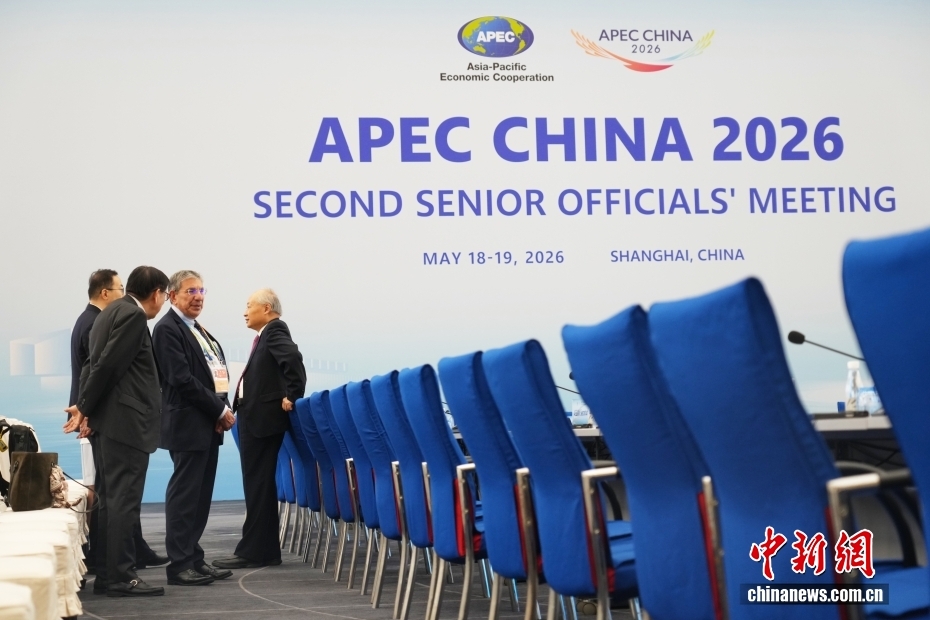
On May 18, the opening ceremony of the second Senior Officials’ Meeting of the 2026 Asia-Pacific Economic Cooperation (APEC) was held in Shanghai. This meeting will take stock of APEC cooperation mid-year, bring together early harvests, and lay the groundwork for the outcomes of various activities and the leaders’ meeting in the second half of the year. The picture shows senior officials exchanging ideas before the meeting.
Shanghai
Shanghai is a major global financial hub and one of China’s most populous cities, located on the eastern coast at the mouth of the Yangtze River. Its history as a prominent port and trading center dates back to the 19th century, when it was opened to foreign trade after the Treaty of Nanking, leading to rapid development and a unique blend of Eastern and Western cultures. Today, Shanghai is known for its iconic skyline, historic Bund waterfront, and vibrant modern districts like Pudong.
Shanghai
Shanghai is a major global financial hub and China’s largest city, known for its iconic modern skyline along the Huangpu River. Its history as a small fishing village was transformed in the 19th century when it became a key treaty port, leading to a unique blend of Eastern and Western cultures, evident in landmarks like the Bund. Today, the city is a dynamic center of commerce, innovation, and culture, preserving its historical legacy while rapidly modernizing.
Shanghai
Shanghai is a major global financial hub and port city in China, with a history dating back over a thousand years as a small fishing village. It rose to prominence in the 19th and 20th centuries as a treaty port, becoming a melting pot of Eastern and Western cultures under foreign concessions. Today, it is known for its iconic skyline along the Bund, historic Art Deco architecture, and dynamic modern development.
Yangtze River
The Yangtze River is the longest river in Asia and the third-longest in the world, flowing over 6,300 kilometers through China. It has been a cradle of Chinese civilization for thousands of years, supporting agriculture, trade, and cultural development since ancient times. Historically, it served as a natural boundary between northern and southern China and played a key role in major events like the Three Kingdoms period and modern industrial growth.
Bund
The Bund is a famous waterfront promenade in Shanghai, China, known for its stunning skyline of colonial-era buildings and modern skyscrapers. Historically, it served as a major financial and trading hub in the 19th and early 20th centuries, with Western powers establishing banks, consulates, and businesses along the Huangpu River. Today, it remains a symbol of Shanghai’s blend of East and West, attracting millions of visitors for its architecture and views.
Pudong
Pudong is a major district of Shanghai, China, located on the eastern side of the Huangpu River. Historically a largely agricultural and underdeveloped area, it underwent a dramatic transformation beginning in the 1990s when it was designated a special economic zone. Today, Pudong is a global financial and commercial hub, famously home to the futuristic skyline of Lujiazui, including landmarks like the Oriental Pearl Tower and the Shanghai Tower.
Huangpu River
The Huangpu River is a 113-kilometer-long waterway that flows through the heart of Shanghai, dividing the city into two distinct areas: Puxi (west) and Pudong (east). Historically, it played a crucial role in Shanghai’s development as a major port and trading hub during the 19th and 20th centuries, with the Bund on its western bank becoming a symbol of the city’s colonial-era architecture and commercial power. Today, the river remains a vital transportation route and a popular tourist attraction, offering scenic views of Shanghai’s iconic skyline.