
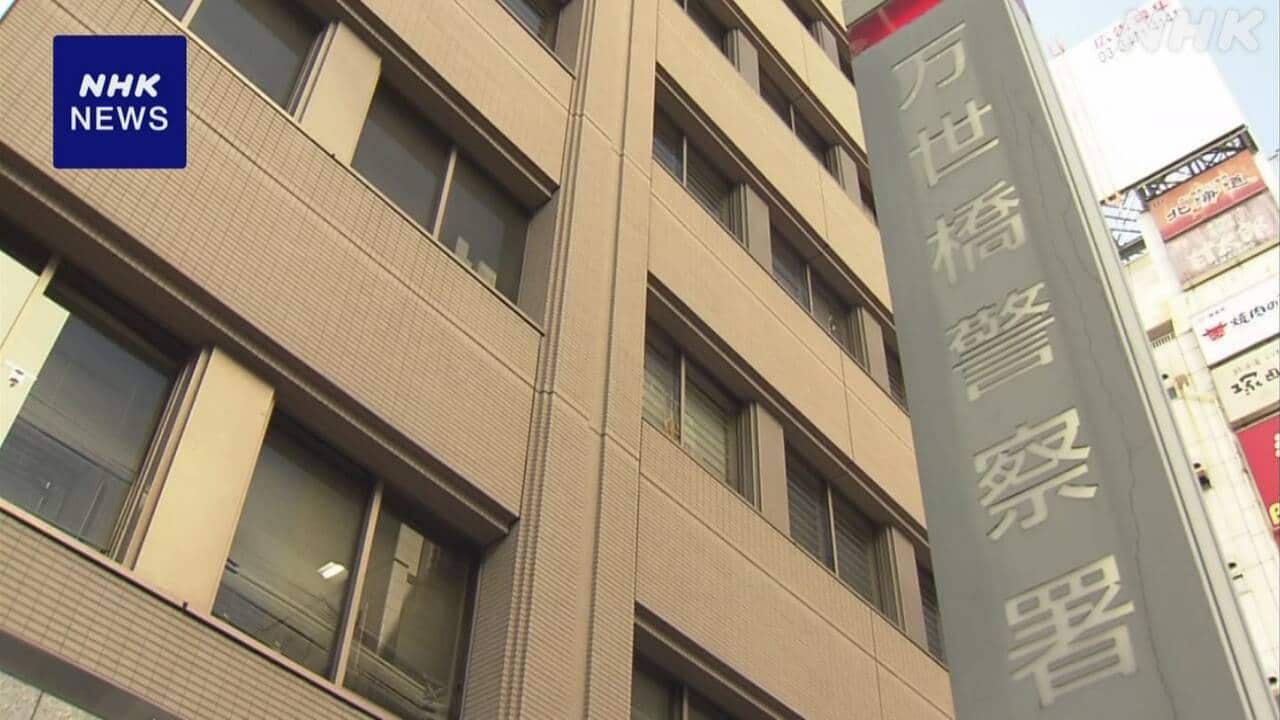
On the morning of the 19th, a supervisor in his 50s was arrested on suspicion of assault for cutting a subordinate male with a knife during a meeting at a consulting company in Chiyoda Ward, Tokyo, causing serious injury. During questioning, he said, “The subordinate was doing sloppy work, and I just snapped…”
Chiyoda Ward
Chiyoda Ward is a special ward in central Tokyo, Japan, known as the political and administrative heart of the country. It houses the Imperial Palace, the National Diet (parliament), and the prime minister’s office, making it a historic center of power since the Edo period. The area also features major cultural landmarks like the Yasukuni Shrine and the Tokyo Station area, blending centuries of history with modern governance.
Imperial Palace
The Imperial Palace, located in the heart of Beijing, China, served as the imperial residence for 24 emperors of the Ming and Qing dynasties from 1420 to 1912. Originally known as the Forbidden City, it is a vast complex of traditional Chinese palatial architecture and is now a UNESCO World Heritage site and museum. The palace symbolizes the political and cultural center of imperial China, showcasing centuries of history and artistry.
National Diet building
The National Diet Building in Tokyo, Japan, is the seat of the country’s bicameral legislature, completed in 1936 after nearly two decades of construction. Its distinctive central tower and symmetrical wings were designed in a neoclassical style, symbolizing democratic governance. The building stands on the site of a former feudal lord’s residence, reflecting Japan’s transition from the Edo period to a modern parliamentary system.
Tokugawa shogunate
The Tokugawa shogunate, also known as the Edo shogunate, was a feudal military government that ruled Japan from 1603 to 1868, founded by Tokugawa Ieyasu after his victory at the Battle of Sekigahara. It established a long period of peace, stability, and isolationist foreign policy (sakoku), with the capital in Edo (modern-day Tokyo). This era ended with the Meiji Restoration, which restored imperial rule and modernized Japan.
Edo period
The Edo period (1603–1868) was a significant era in Japanese history marked by over 260 years of peace and stability under the rule of the Tokugawa shogunate. During this time, Japan was largely isolated from the outside world, allowing its unique culture, arts, and urban society to flourish, including the development of kabuki theater and ukiyo-e woodblock prints. The period ended with the Meiji Restoration, which restored imperial rule and opened Japan to the modern world.
Marunouchi business district
Marunouchi is a major business district located in central Tokyo, Japan, situated between Tokyo Station and the Imperial Palace. Originally developed as
Chiyoda Ward
Chiyoda Ward is a special ward located in the heart of Tokyo, Japan, serving as the nation’s political and administrative center. It is home to the Imperial Palace, the former Edo Castle, and key government buildings like the National Diet. Historically, the area was the seat of the Tokugawa shogunate during the Edo period and later became the symbolic and functional hub of modern Japan.
Imperial Palace
The Imperial Palace, located in the heart of Tokyo, is the primary residence of the Emperor of Japan. The site was originally the location of Edo Castle, the seat of the Tokugawa shogunate, before the imperial family moved there in 1869 following the Meiji Restoration. Today, the palace’s inner grounds are largely closed to the public, but the East Gardens and surrounding areas are open for visitors to explore.
National Diet building
The National Diet Building in Tokyo, Japan, is the seat of the country’s bicameral legislature, completed in 1936 after 16 years of construction. Its design blends Western neoclassical architecture with subtle Japanese elements, symbolizing the nation’s modern parliamentary system established during the Meiji era. The building stands on the site of the former feudal domain of the Kii branch of the Tokugawa clan, reflecting the transition from feudal rule to democracy.
Tokugawa shogunate
The Tokugawa shogunate was a feudal military government that ruled Japan from 1603 to 1868, established by Tokugawa Ieyasu after his victory at the Battle of Sekigahara. This period, known as the Edo period, brought over 250 years of peace, stability, and isolation from foreign influence, with the capital in Edo (modern-day Tokyo). The shogunate ended with the Meiji Restoration, which restored imperial rule and began Japan’s modernization.
Edo period
The Edo period (1603–1868) was a transformative era in Japanese history marked by over 250 years of peace under the Tokugawa shogunate. During this time, Japan adopted a policy of national isolation, which fostered the development of a unique urban culture, including kabuki theater, ukiyo-e art, and a thriving merchant class in cities like Edo (modern-day Tokyo). This period ended with the Meiji Restoration, which restored imperial rule and opened Japan to the world.
Marunouchi business district
Marunouchi is a major business district located in Tokyo, Japan, situated between Tokyo Station and the Imperial Palace. Historically, it was once a feudal estate for samurai during the Edo period before being developed into a modern commercial hub in the late 19th century. Today, it is known for its skyscrapers, corporate headquarters, and upscale shopping areas, blending historical significance with contemporary urban life.
Related news
Tokyo high school students participate in international exchange.
The Tokyo Metropolitan Board of Education is promo...

U.S. aircraft carrier sets record for longest deployment since the Vietnam War
The USS Gerald R. Ford aircraft carrier leaves Nav...

News summary of the Kyoto Nantan boy’s body abandonment case
To view this page, please confirm your intent to u...
Group suspected of embezzling 5 billion yen for luxury condos, pearls, and high-end cars.
Three individuals, including a 38-year-old Chinese...
Kirishima takes sole lead in Summer sumo tournament as Kotozakura suffers fifth loss.
Ozeki Kirishima, right, defeats Daieisho on the se...