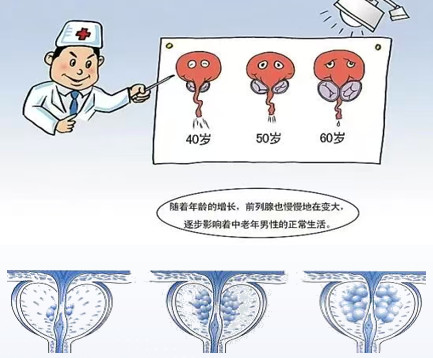
Late at night, 65-year-old Zhang, who frequently gets up to urinate, climbed out of bed again. This was already the fifth time tonight. He moved quietly, afraid of waking his wife, but bumped into the door frame in the dark. Suffering from an enlarged prostate, Zhang lamented, “When you get old, even a full night’s sleep becomes a luxury.”
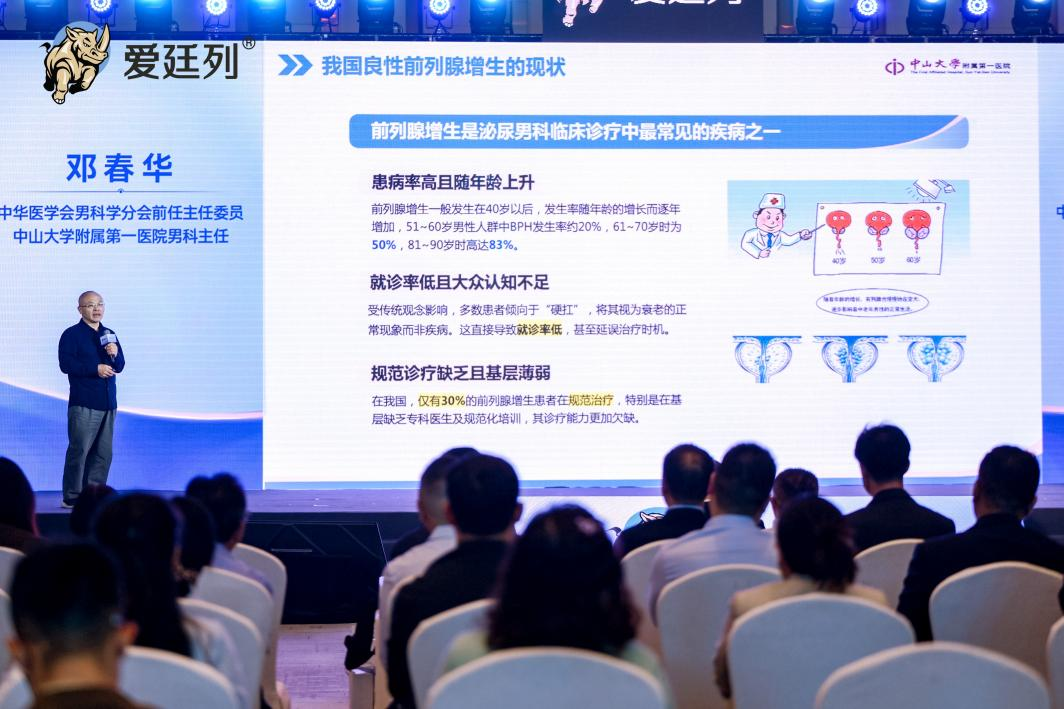
Zhang’s story is not unique. Benign prostatic hyperplasia (BPH) is a common and frequent disease among middle-aged and elderly men. In China, statistics show that over 60% of men aged 60 and above suffer from varying degrees of BPH. They silently endure symptoms such as frequent urination, urgency, difficulty urinating, and sexual dysfunction caused by BPH. When traveling or participating in social activities like playing cards or chess, they constantly need to find a restroom. Currently, only 30% of BPH patients in China receive standard treatment.
The Pain of BPH Is Often “Normalized”
Benign prostatic hyperplasia, commonly known as an “enlarged prostate,” is a non-cancerous growth of prostate tissue that occurs with age. The enlarged prostate compresses the urethra, leading to a series of urinary problems such as frequent urination, urgency, difficulty urinating, and increased nighttime urination. Worse still, long-term difficulty urinating can lead to complications like urinary retention, bladder stones, and kidney damage.
“It’s like this for everyone when they get old” — this is the most common phrase BPH patients use to comfort themselves. Due to a lack of awareness, most patients consider the lower urinary tract symptoms and sexual dysfunction caused by BPH as normal signs of aging rather than a disease. This leads to low consultation rates and even delays the best treatment opportunities.
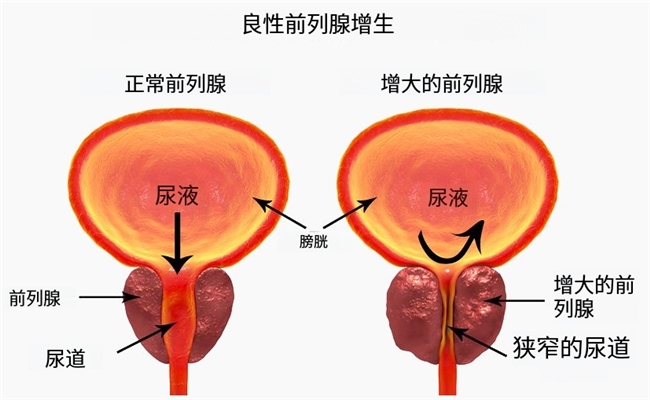
A professor from the First Affiliated Hospital of Sun Yat-sen University pointed out at the launch event of a public welfare project that as China rapidly enters an aging society, the absolute number of BPH patients is significantly increasing. BPH is a progressive chronic disease that does not heal on its own and only worsens over time. As living standards improve, for middle-aged and elderly men, longevity is just the foundation; living with quality and dignity is the true happy old age.
Many middle-aged and elderly BPH patients think, “Seeing a doctor is troublesome; I’ll just endure it.” They don’t know that frequent nighttime urination leading to chronic sleep deprivation can cause cognitive decline; difficulty urinating hides the risk of urinary retention and kidney damage; and BPH is often accompanied by erectile dysfunction, affecting marital relationships and family happiness.
Innovative Combination Drug Offers New Hope for Patients
In March 2026, great news brought hope to countless BPH patients like Zhang. The first domestic combination drug for treating BPH was officially launched.

Traditional medication regimens for treating BPH often require taking multiple drugs at the same time, several times a day. Many elderly patients forget or find it troublesome, leading to missed doses and difficulty with long-term adherence. This easily causes disease recurrence and increases the risk of complications. Moreover, traditional regimens have a slow onset, sometimes taking months to improve symptoms like frequent urination and urgency, making it hard for many to persist. The new combination drug is an innovative formulation made from two active ingredients, finasteride (5mg) and tadalafil (5mg), scientifically proportioned and prepared through special pharmaceutical processes. This product has been approved by the FDA and the CDE, and clinically validated. The two ingredients have complementary mechanisms of action in treating BPH, providing synergistic effects.
For patients, this first domestic BPH combination drug changes their routine from taking “several drugs multiple times a day” to “one pill a day,” from “slow onset” to “visible results in 4 weeks,” and from “treating one symptom at the expense of another