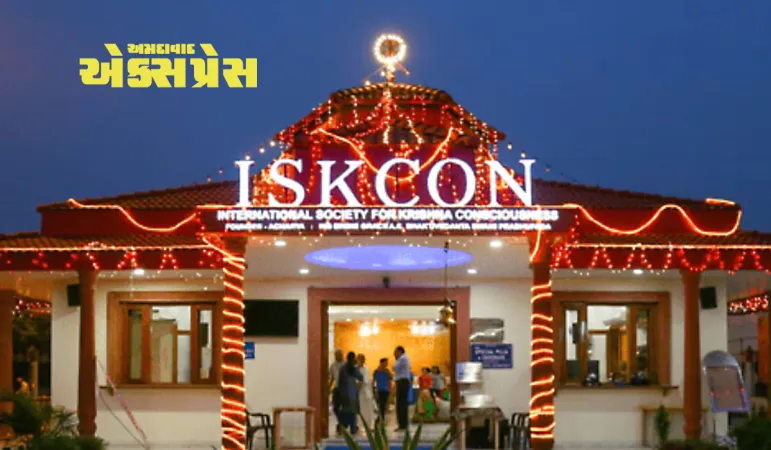
Following Prime Minister Narendra Modi’s appeal, the Dwarka ISKCON mission has urged people to avoid new purchases. Devotees have donated items kept at home. Click for more details.
ISKCON temple appeals to devotees not to buy gold and silver
A unique initiative linking national interest and religious faith has begun in the national capital. This important campaign came to light on Tuesday, May 19, 2026. The ISKCON temple in Dwarka, Delhi, has appealed to devotees not to purchase gold and silver.
Following the Prime Minister’s savings appeal, the temple administration has made this major decision. Devotees are being asked to offer items lying at home instead of buying new metal from the market. Since the ISKCON temple appealed to devotees not to buy gold and silver, donations of old precious metals at the temple have increased.
Dwarka ISKCON administration in Delhi takes a major social decision
According to sources, after this appeal, a grand flow of precious metals has begun at the temple. Devotees are offering old utensils and plates kept in their homes to the deity.
Old bowls and plates used in worship are being donated in large quantities. Devotees are also giving gold ornaments for the adornment of Lord Krishna and Radharani.
It is noteworthy that precious items such as necklaces, bangles, rings, and anklets have been handed over to the administration. Special information boards regarding this have also been placed in the temple premises.
In this context, the administration has written on the board that wealth dedicated to the service of the Lord is the most sacred. This step is believed to significantly curb unnecessary expenses for ordinary citizens.
This type of economic model is also very inspiring from a spiritual perspective for devotees reading Gujarati news. One devotee even offered old silver coins received at his wedding at the feet of the deity.
ISKCON mission’s strong support for the Prime Minister’s national interest policy
This new initiative is receiving an unprecedented and huge response from ordinary devotees. Household wealth preserved for years will now be used directly in religious activities. Discussions about this type of social appeal have also begun in the state of Punjab.
According to a representative, every citizen should refrain from new purchases in the interest of the nation. The temple administration will convey this same message in all upcoming festivals.
However, a reduction in the import of precious metals will also indirectly greatly benefit the country’s economy. The ISKCON mission considers this step an excellent part of moral responsibility along with devotion.
Thus, the unwavering faith of devotees is now directly connected to the divine service of Lord Rukmini Dwarkadhish. Other major religious trusts in Delhi are also seriously considering adopting a similar policy.
This support from religious institutions for the economic decisions taken by the government will prove to be very crucial. The widespread effects of this appeal are also being seen on gold market prices.
Spread of new economic awareness across the country before the election results
According to government sources, this campaign will prevent the creation of an artificial shortage of gold in the market. This is an appropriate step to give momentum to new savings activities among middle-class families. Whatever the election results may be, this ethical battle for national interest will continue.
Nevertheless, this appeal has directly challenged the social practice of making expensive purchases during the festival season. Leading economists across the country are also praising this model from ISKCON Dwarka.
As a result, local gold and silver traders will also have to make major changes to their sales strategies. Similar boards may be seen in other major cities of the country in the coming days.
It should be noted that such a remarkable synthesis of religion and economics has been seen for the first time in post-independence history. Now, by stopping new purchases, devotees will contribute to strengthening the nation’s treasury.
The ISKCON temple has appealed to devotees not to buy gold and silver. Supporting Prime Minister Narendra Modi’s savings policy, the Delhi Dwarka ISKCON administration has taken this major decision. Instead of making new purchases from the market, devotees are now offering old precious metals kept at home at the feet of the Lord.