PT PLN (Persero) explains why customer electricity bills often change even though the basic electricity tariff has not increased since July 2022.
Changes in payment amounts are mostly influenced by electricity usage patterns and additional components outside the electricity tariff.
Many people still think that rising electricity bills are entirely due to the electricity tariff.
“Electricity payments are not only affected by the electricity tariff, but also by energy usage patterns and other components that follow regional government regulations and applicable rules,” said a representative.
According to the company, the amount of the electricity payment is influenced by the daily electricity consumption of the customer.
The higher the use of electronic devices, the greater the kWh consumption, which directly impacts the monthly bill.
In addition to electricity usage, other components also affect payments, such as the Street Lighting Tax (PPJ), Value Added Tax (PPN), and stamp duty for certain customers.
PLN also explained that in the prepaid system, the nominal amount of tokens purchased by customers does not fully convert directly into electricity.
Part of the funds are first deducted for PPJ payment according to regional government regulations.
For example, a customer with a 2,200 VA power supply who buys a token for IDR 200,000 in the Jakarta area will be charged a PPJ of 2.4 percent. This means that the actual amount converted into electricity is only IDR 195,200.
“Through a better understanding of consumption patterns and electricity payment components, customers can use electrical energy more efficiently, comfortably, and according to their daily needs,” said the representative.
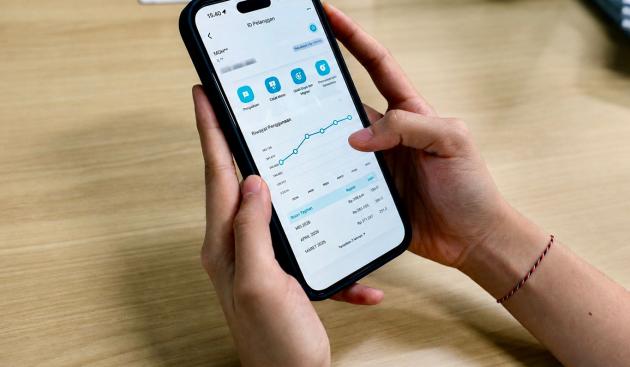
PLN also encourages the public to monitor their electricity usage regularly through the PLN Mobile application.
Through this application, customers can view their electricity usage history and token purchases more transparently.