Man arrested for setting cardboard on fire and damaging a wall; may be linked to series of suspicious fires in Tomakomai, Hokkaido.
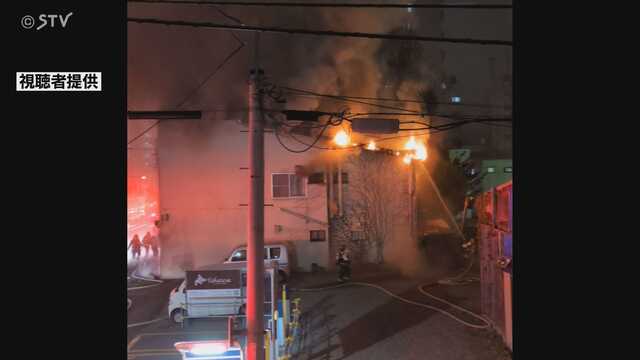
A man was arrested for setting fire to cardboard and burning the wall of an apartment building in Tomakomai City.
Suspicious fires have been occurring one after another in Tomakomai, and police are investigating a possible connection.
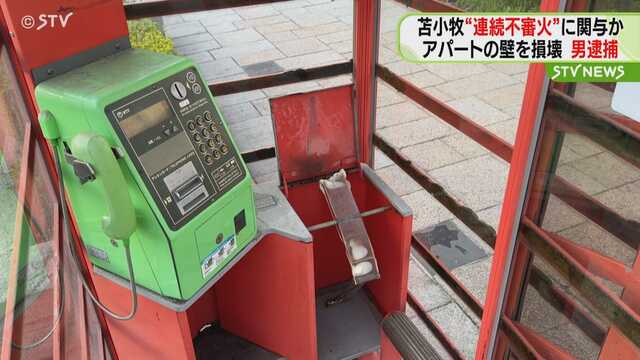
Around 1:00 PM on the 15th of this month (May 2026), a fire occurred in a telephone booth in Omote-cho 3-chome, Tomakomai City, burning phone books and other items.
(Person who extinguished the fire) “I saw flames shooting out of the telephone booth. I filled a bucket with water and tried to put it out. After pouring about two buckets, the fire went out.”
In Tomakomai City, suspicious fires have been occurring one after another, including a fire on the 12th of this month (May) that burned the entrance porch of a house.
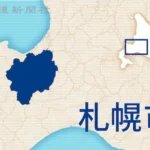
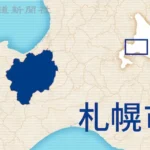
On the 14th of this month (May), police arrested Riku Takeuchi, who claims to live in Sapporo City, Shiroishi Ward, for allegedly setting fire to cardboard in the common entrance of an apartment building in Tomakomai City, damaging the wall and other parts.
Takeuchi has admitted to the charges and has hinted at other crimes, so police are investigating a possible link to a series of suspicious fires.
Tomakomai City
Tomakomai City is a port city located on Japan’s northern island of Hokkaido. It developed rapidly in the early 20th century as a key industrial and shipping hub, particularly after the construction of its port to export coal and timber. Today, it is known for its paper and pulp industries, as well as its role as a gateway to the natural attractions of southern Hokkaido.
Omote-cho 3-chome
Omote-cho 3-chome is a historic neighborhood in the city of Hakodate, Hokkaido, Japan, known for its well-preserved late-19th and early-20th century Western-style buildings. Once a thriving commercial and residential area during Hakodate’s period as a major port after Japan opened to foreign trade, the district now features charming streets lined with former merchant houses, churches, and consulates. It remains a popular tourist destination, offering a glimpse into the city’s unique blend of Japanese and Western cultural heritage.
Sapporo City
Sapporo is the capital of Hokkaido, Japan’s northernmost island, and is known for its modern urban design and the annual Sapporo Snow Festival. The city was developed in the late 19th century following a grid plan inspired by American cities, and it hosted the 1972 Winter Olympics, the first ever held in Asia. Today, Sapporo is famous for its ramen, beer, and as a gateway to Hokkaido’s natural attractions.
<h3 class="text-lg font-semibold mb-2 text-blue
Tomakomai City
Tomakomai City, located on Japan’s northern island of Hokkaido, developed rapidly as a key port and industrial hub after the Meiji Restoration, particularly through its role in coal shipping and paper manufacturing. Its history is closely tied to the development of Hokkaido’s frontier economy, with the city officially founded in 1900 and later designated as a city in 1922. Today, Tomakomai is known for its industrial port, natural parks like Lake Utonai, and as a gateway to exploring the region’s scenic landscapes.
Omote-cho 3-chome
Omote-cho 3-chome is a historic district in the city of Hakodate, Hokkaido, Japan, known for its well-preserved late-19th and early-20th-century Western-style buildings and warehouses. This area was a key commercial hub during Hakodate’s development as a port city after Japan opened to foreign trade in 1854, blending Japanese and Western architectural influences. Today, it is a popular tourist destination, offering museums, shops, and restaurants that reflect its rich cultural heritage.
Sapporo City
Sapporo is the capital city of Hokkaido, Japan, known for its modern urban planning and the annual Sapporo Snow Festival. The city was established in 1868 and developed rapidly after the Meiji government designated it as the administrative center of Hokkaido, incorporating Western-style grid layouts. Today, it is famous for its beer, skiing, and the historic Clock Tower, a symbol of its pioneering spirit.
Shiroishi Ward
Shiroishi Ward is a district in Sapporo, Japan, known for its suburban residential atmosphere and historical significance as a key post station on the former Satsumon Trail. The area’s name, meaning “white stone,” derives from the quartzite stones found in the nearby Toyohira River. Today, it blends modern development with remnants of its past, including shrines and parks that reflect its role in the region’s early settlement and transportation history.
Hakodate
Hakodate is a port city on Japan’s northern island of Hokkaido, known for its scenic night view from Mount Hakodate. Historically, it was one of the first Japanese ports opened to foreign trade in 1854, leading to a unique blend of Western and Japanese architecture, including the iconic Goryokaku star-shaped fort. Today, it remains a popular tourist destination, offering fresh seafood, historic streets, and cultural landmarks from the Meiji era.
Hokkaido
Hokkaido, Japan’s northernmost main island, was historically known as Ezo and was primarily inhabited by the indigenous Ainu people before large-scale Japanese colonization began in the late 19th century. The region was officially renamed Hokkaido in 1869, and development accelerated under the Meiji government, which established the Hokkaido Development Commission to promote agriculture, industry, and settlement. Today, Hokkaido is renowned for its stunning natural landscapes, including national parks, hot springs, and ski resorts, as well as its vibrant cities like Sapporo.