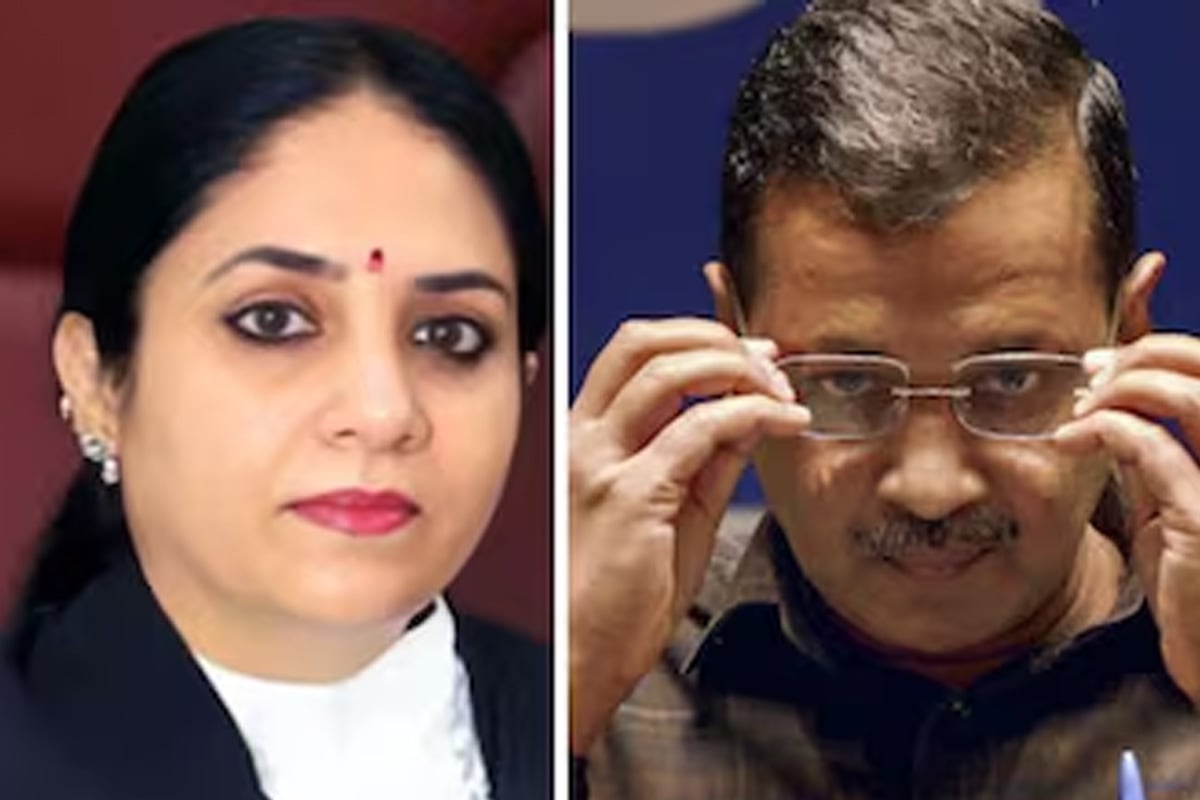
In the excise policy case, a lower court had acquitted former Delhi Chief Minister Arvind Kejriwal and 23 others. The CBI challenged that verdict in the Delhi High Court. The hearing took place on Thursday. During that time, the High Court made it clear that the matter is no longer limited to legal arguments but has become inextricably linked to the dignity of the court and the judicial process. During the hearing before Justice Swarnakanta Sharma’s bench, it was revealed that the defendants were publishing “extremely defamatory, highly contemptuous, and slanderous” content about her, which constitutes an attack on the judiciary.
She stated, “I cannot remain silent on this matter.” The judge further said that the hearing of the excise policy case will now be held before another bench. She will initiate contempt of court proceedings. She will not withdraw her order regarding recusal from the case. However, since she has initiated contempt proceedings, it is appropriate to transfer this matter to another judge.
Not just Kejriwal, but Manish Sisodia, Sanjay Singh, Vinay Mishra, Devesh Vishwakarma, Durgesh Pathak, and Saurabh Bhardwaj are also among the accused in this contempt case.
Notably, Arvind Kejriwal had previously alleged that Justice Swarnakanta Sharma was biased. He was seen demanding on social media that, following Gandhi’s path of Satyagraha, he would not appear before that judge’s hearing. On this occasion, Justice Sharma stated, “The judicial robe teaches one to remain calm. But sometimes, remaining silent is rather unjust; it is not judicial restraint.”
However, not just Kejriwal, but Manish Sisodia, Durgesh Pathak, Vinay Mishra, Devesh Vishwakarma, Sanjay Singh, and Saurabh Bhardwaj are also among the accused in this contempt case. Overall, this confrontation between the court and key figures of the former Delhi administration is considered unprecedented by informed circles.