Addis Ababa, May 14, 2026 — The United Nations Secretary-General praised Ethiopia’s unwavering commitment to international cooperation and its pivotal role as a supporter of multilateralism.
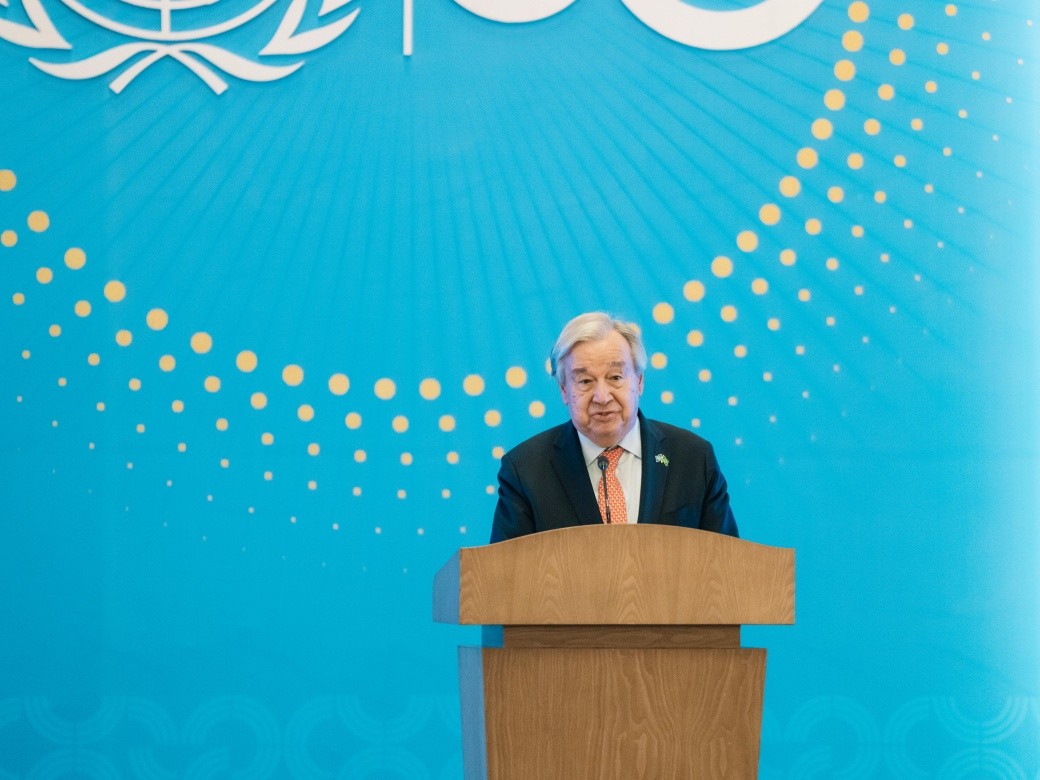
In a speech delivered at the National Palace during the launch of a commemorative stamp series marking the 80th anniversary of the founding of the United Nations, the Secretary-General highlighted the deep-rooted partnership between the organization and Ethiopia, which is one of its 51 founding members.
The Secretary-General emphasized that Ethiopia’s status as an ancient civilization that successfully maintained its independence while most countries on the continent faced colonial division is a testament to its national strength.
He noted that those with a rich past tend to have a promising future and praised the rapid transformation of Addis Ababa into a significant global diplomatic hub, continuing to develop at a remarkable pace.
The Secretary-General reiterated the need to reform global governance structures, specifically the United Nations Security Council and international financial institutions, to ensure fair representation for Africa.
He described Ethiopia’s call for UN reform and a permanent African presence on the Security Council as entirely legitimate, stressing the need to address historical grievances.
In his closing remarks, the Secretary-General reaffirmed the United Nations’ commitment to being an active partner in supporting Ethiopia’s national and regional efforts to establish peace and stimulate development.
He praised the distinguished service provided by Ethiopian men and women in United Nations peacekeeping operations and humanitarian efforts around the world, stressing that the partnership between the UN and Ethiopia remains essential for building a better future for the continent.
The Secretary-General emphasized that the fundamental promises of the United Nations—peace, justice, and prosperity—remain as urgent today as they were eight decades ago, and noted that the world still counts on Ethiopia’s leadership in the march of progress.