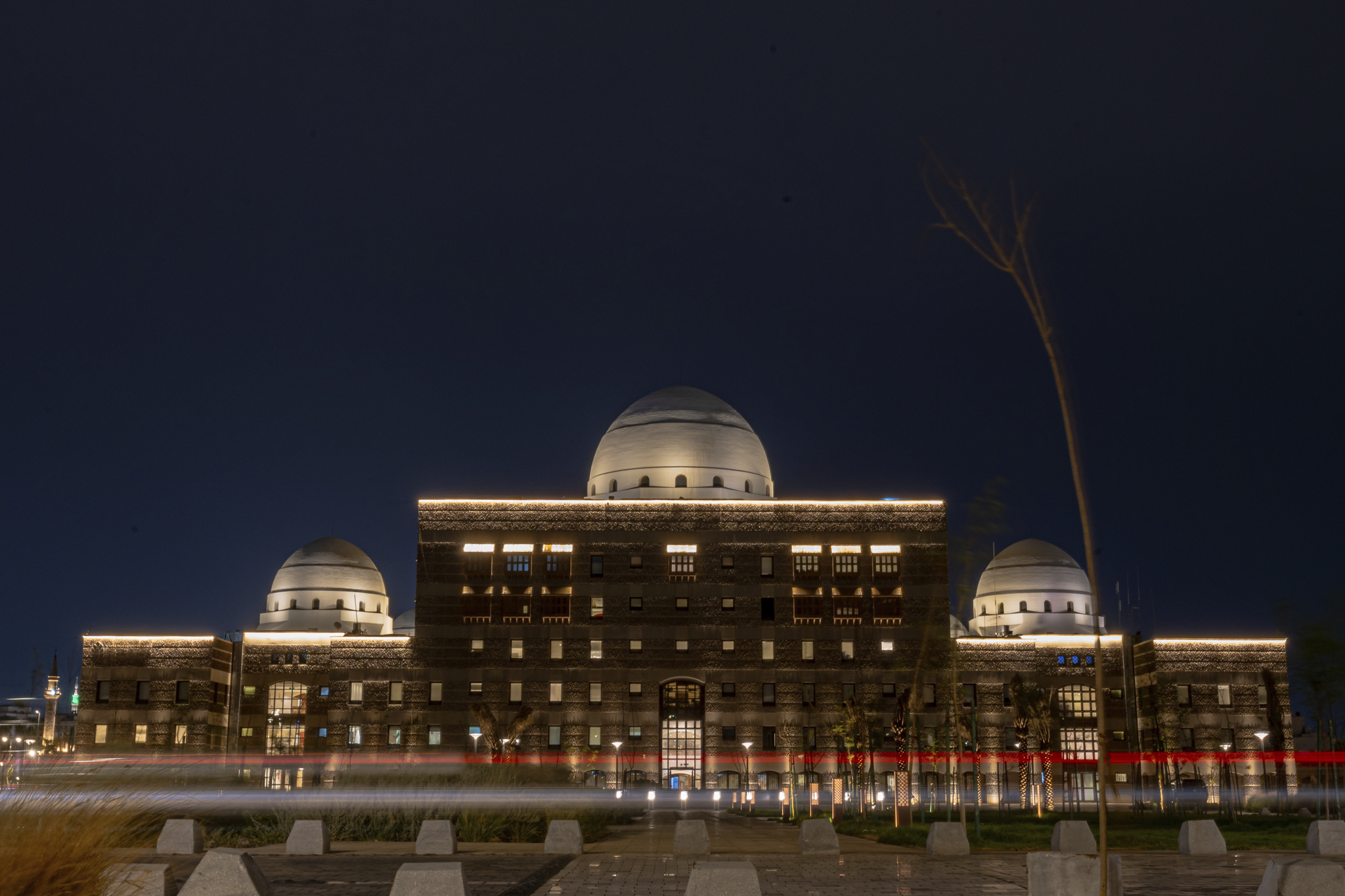
The Medina Region Municipality has approved the implementation of a hotel project in the Taybah district on Al-Salam Road, with an area of 3,843.51 square meters, as part of its efforts to enhance tourism and stimulate investment in Medina. The project aims to support the tourism sector by providing hospitality facilities that help meet the needs of visitors, enhance Medina’s appeal as a tourist destination, in addition to stimulating investment and developing infrastructure in line with urban and economic growth. The municipality confirmed that the project’s approval is part of its plans to develop the urban landscape, improve service efficiency, and promote tourism and economic development in line with the goals of the Kingdom’s Vision 2030.
Medina Region
The Medina Region in western Saudi Arabia is home to the holy city of Medina, the second holiest site in Islam after Mecca. It holds profound significance as the place where the Prophet Muhammad migrated in 622 CE (the Hijra) and established the first Muslim community, and where he is buried in the Al-Masjid an-Nabawi (the Prophet’s Mosque). The region’s history is deeply intertwined with the rise of Islam, serving as a center of religious learning and political power during the early Islamic period.
Taybah district
Taybah district is a historic neighborhood in the city of Al-Madinah, Saudi Arabia, known for its deep connection to the early days of Islam. It is named after “Taybah,” one of the traditional names for Medina, and the area contains several significant landmarks, including mosques and heritage sites that date back to the Prophet Muhammad’s time. The district serves as a living link to the region’s religious and cultural history, attracting visitors interested in Islamic heritage.
Al-Salam Road
Al-Salam Road, whose name means “Peace Road” in Arabic, is a significant thoroughfare found in several Middle Eastern cities, most notably in Baghdad, Iraq. Historically, it connects key districts and has served as a vital artery for commerce and daily life, witnessing both periods of prosperity and conflict throughout Iraq’s modern history. Today, it remains a bustling street symbolizing resilience and the ongoing pursuit of peace in the region.
Medina
Medina, located in western Saudi Arabia, is the second holiest city in Islam after Mecca. It is historically significant as the final resting place of the Prophet Muhammad, who migrated there in 622 CE (the Hijra) and established the first Muslim community. The city’s Al-Masjid an-Nabawi (the Prophet’s Mosque), with its iconic Green Dome, is a major pilgrimage site for millions of Muslims each year.
Prophet’s Mosque
The Prophet’s Mosque, also known as Al-Masjid an-Nabawi, is one of the holiest sites in Islam, located in Medina, Saudi Arabia. It was originally built by the Prophet Muhammad in 622 CE, adjacent to his home, and has since undergone numerous expansions, most notably by the Umayyad and Ottoman caliphs, as well as the modern Saudi government. The mosque houses the Prophet’s tomb and serves as a major pilgrimage destination for millions of Muslims each year.
Old City of S
Medina Region
The Medina Region in Saudi Arabia is historically significant as the site of the Prophet Muhammad’s migration and the establishment of the first Islamic community. It contains the Prophet’s Mosque, one of the holiest sites in Islam, where Muhammad is buried. The region has been a major center of Islamic learning and pilgrimage for over 1,400 years.
Medina
Medina, in Saudi Arabia, is the second holiest city in Islam after Mecca. It is historically significant as the city where the Prophet Muhammad migrated in 622 CE (the Hijra), establishing the first Muslim community and mosque. Today, it is a major pilgrimage site, housing the Prophet’s Mosque, which contains his tomb.
Taybah district
Taybah district is a historic area located in the Old City of Sana’a, Yemen, known for its traditional multi-story houses and ancient architecture. Its history dates back centuries, serving as a vital commercial and residential hub within the UNESCO World Heritage-listed Old City. The district reflects the rich cultural heritage of Yemen, with its distinctive geometric patterns and intricate decorations.
Al-Salam Road
Al-Salam Road is a significant thoroughfare in Baghdad, Iraq, known for its historical and cultural importance. Its name, meaning “Peace Road” in Arabic, reflects a vision of harmony, though the area has witnessed periods of conflict, particularly during the Iraq War. Today, it serves as a key artery connecting various neighborhoods, with efforts ongoing to restore its role as a symbol of unity and rebuilding in the city.
Al-Masjid an-Nabawi
Al-Masjid an-Nabawi, also known as the Prophet’s Mosque, is located in Medina, Saudi Arabia, and is one of the holiest sites in Islam. Originally built by the Prophet Muhammad in 622 CE adjacent to his home, it served as the center of the early Muslim community and has undergone numerous expansions over the centuries. The mosque now houses the Prophet’s tomb beneath its iconic Green Dome and can accommodate over a million worshippers.
Prophet’s Mosque
The Prophet’s Mosque, located in Medina, Saudi Arabia, is one of the holiest sites in Islam, originally built by the Prophet Muhammad in 622 CE shortly after his migration from Mecca. It served as both a religious center and a community hub, and over centuries has been expanded significantly, now housing the Prophet’s tomb under its iconic Green Dome. Today, it remains a major pilgrimage destination, attracting millions of visitors annually for prayer and reflection.