Can Gio super port, part of Ho Chi Minh City’s 50-year legacy, reaches out to the world.
On April 29, Ho Chi Minh City will issue the investment decision for the Can Gio International Transshipment Port project. This is a historic milestone for the maritime and logistics industry, coinciding with the 51st anniversary of national reunification and the 50th anniversary of the city bearing the name of President Ho Chi Minh.
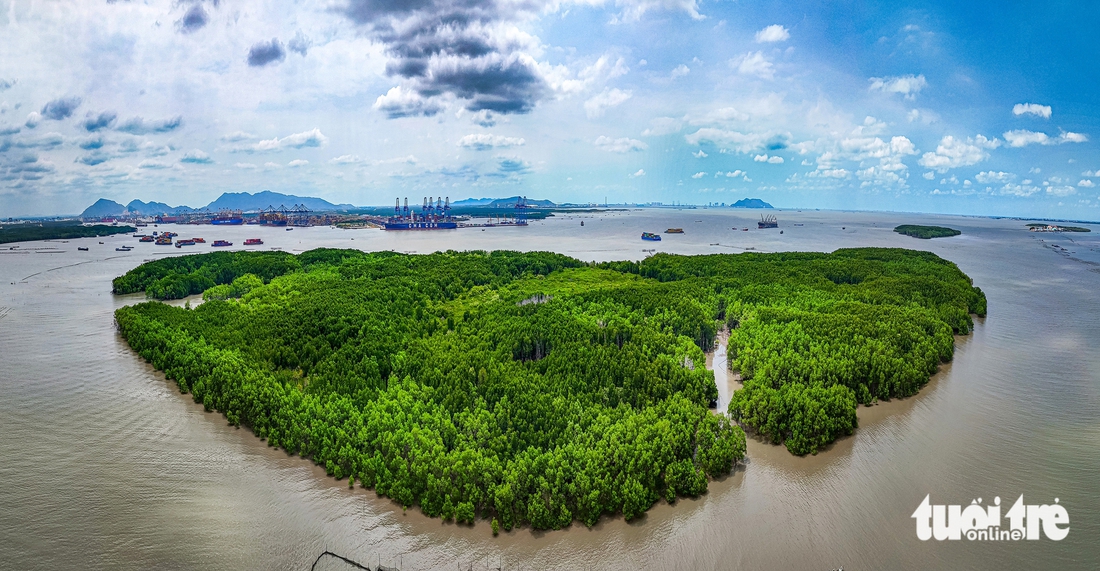
Travelers journeyed through the Sac Forest by road and waterway to reach Phu Loi islet, where the international transshipment port will be built.
This area once witnessed immense suffering and hardship during war and peace, but now holds a prime position amidst one of the world’s busiest shipping lanes.
The “rough gem” of Phu Loi awaits its polishing day to become a crucial link on the maritime route, a transshipment point for the world’s mega-ships, affirming the position of Ho Chi Minh City and Vietnam on the international maritime map.
Six years after the idea was first conceived, strong political determination from the central government to Ho Chi Minh City has cleared the legal path, laying the foundation for the project to begin.
The scale of the Can Gio mega-port lies not only in its size but also in its attraction of investment from MSC, the world’s leading shipping line, demonstrating the appeal of Vietnam’s strategic location and investment environment.
Once formed, the Can Gio mega-port, together with the existing port cluster on the opposite side at Thi Vai, will create a continuous seaside front to receive mega-ships, turning Ho Chi Minh City into a regional and international logistics hub, affirming the stature of a strong maritime nation in Vietnam’s new era.
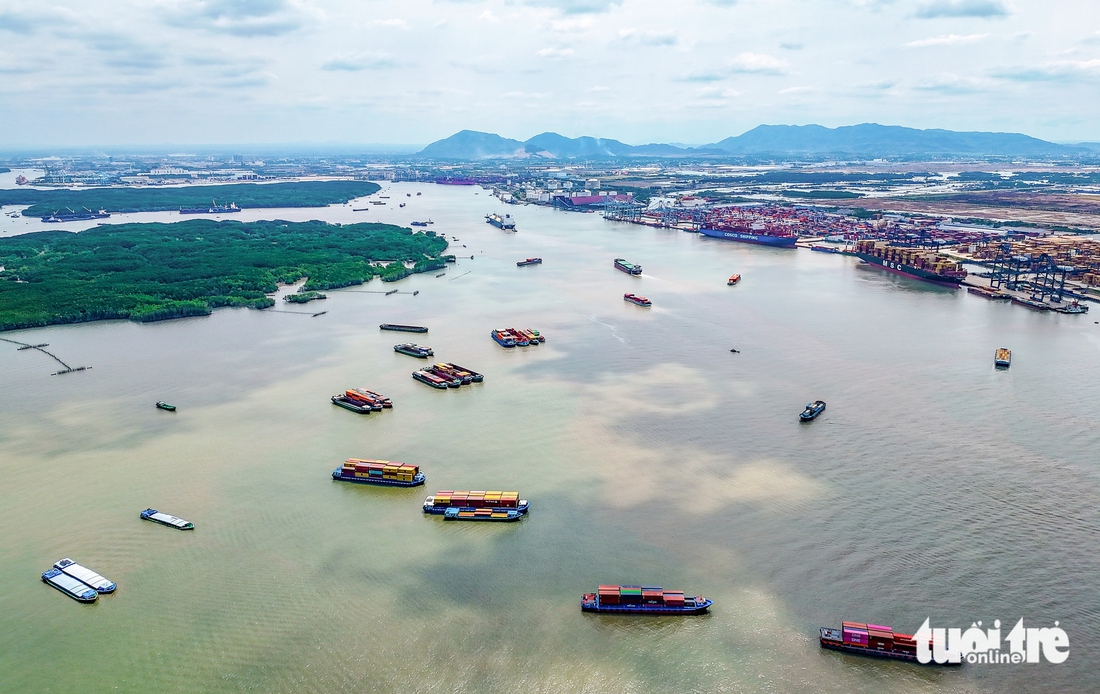
View the location of the Can Gio mega-port amid the major sea route:
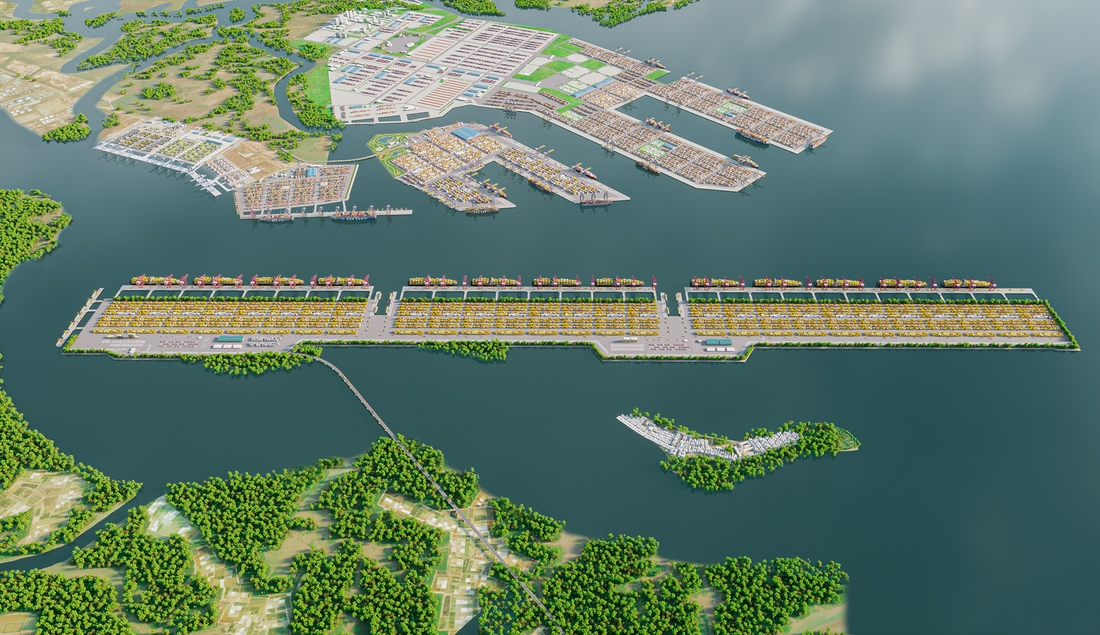
The extremely large-scale Can Gio international mega-port about to take shape in the river mouth area, where it will receive giant container ships calling at the port to boost the maritime economy of this alluvial land – Rendering: Ho Chi Minh City Department of ConstructionThe international maritime crossroads at the Cai Mep river mouth, where the islet acts as a barrier and is a convergence point for sea lanes. This is where ships traverse the East Sea daily. With over 100 km of coastline and the vast Ghenh Rai Bay, Ho Chi Minh City stands before a historic opportunity to reach out to the ocean, becoming the “conductor” of the ASEAN supply chain, on par with leading regional maritime logistics centers.
<div class="my-4 p-4 rounded-lg shadow-md bg
Ho Chi Minh City
Ho Chi Minh City, formerly known as Saigon, is Vietnam’s largest city and economic hub. It was the capital of French Indochina and later the capital of South Vietnam until the end of the Vietnam War in 1975, after which it was renamed. Today, the city blends historic French colonial architecture with modern skyscrapers, and landmarks like the War Remnants Museum and Notre-Dame Cathedral reflect its complex history.
Can Gio International Transshipment Port
The Can Gio International Transshipment Port is a proposed major deep-sea port complex located in Can Gio District, Ho Chi Minh City, Vietnam. Designed to be one of the largest transshipment hubs in Southeast Asia, the project aims to handle massive container volumes and accommodate the world’s largest cargo ships, leveraging its strategic position near international shipping routes. The port is part of Vietnam’s long-term development plan to enhance trade connectivity, though it has faced environmental concerns due to its location within the Can Gio Mangrove Biosphere Reserve, a UNESCO-listed site.
Phu Loi islet
Phu Loi islet is a small, scenic island located in Ha Long Bay, Vietnam, known for its tranquil beaches and limestone karst formations. Historically, the area has been inhabited by fishing communities for centuries, with the islet serving as a natural shelter for boats during storms. Today, it is a popular stop for tourists exploring the bay, offering opportunities for kayaking, swimming, and experiencing local fishing culture.
Sac Forest
Sac Forest, located in Nagano Prefecture, Japan, is a sacred grove surrounding the Togakushi Shrine complex, known for its towering ancient cedar trees that are over 800 years old. Historically, it has been a site of Shinto worship and mountain asceticism for centuries, serving as a spiritual retreat for monks and pilgrims. The forest’s serene atmosphere and towering trees create a mystical experience, reflecting the deep connection between nature and spirituality in Japanese culture.
Thi Vai
Thi Vai is a river and estuary in southern Vietnam, flowing through the provinces of Dong Nai and Ba Ria-Vung Tau. Historically, it served as an important waterway for trade and transportation during the French colonial period, connecting the region to the East Sea. Today, the Thi Vai River is a key industrial and shipping route, lined with ports and factories, though it has faced environmental challenges due to pollution from nearby industrial zones.
Cai Mep river mouth
The Cai Mep river mouth, located in Ba Ria-Vung Tau Province, southern Vietnam, is the estuary of the Cai Mep River flowing into the East Sea. Historically, it has been a key maritime gateway, and since the early 2000s, it has developed into a major deep-water port complex, known as the Cai Mep-Thi Vai port system. Today, it serves as a crucial hub for international shipping, handling large container vessels and supporting Vietnam’s growing trade economy.
Ghenh Rai Bay
Ghenh Rai Bay, located in Binh Thuan Province, Vietnam, is a scenic stretch of coastline known for its dramatic rocky cliffs, golden sand, and the iconic Ghenh Rai Lighthouse, built in 1904 during the French colonial period. The lighthouse served as a crucial navigational aid for ships traveling along the South China Sea. Today, the bay is a popular destination for its natural beauty, offering stunning views, peaceful beaches, and a glimpse into Vietnam’s maritime history.
East Sea
The East Sea, known as the Sea of Japan in international contexts, is a marginal sea of the Pacific Ocean bordered by Japan, Russia, and the Korean Peninsula. Historically, it has been a crucial route for trade, cultural exchange, and conflict, including its role in the Russo-Japanese War and World War II. The name remains a subject of diplomatic debate between Korea and Japan, reflecting deep historical and political tensions.