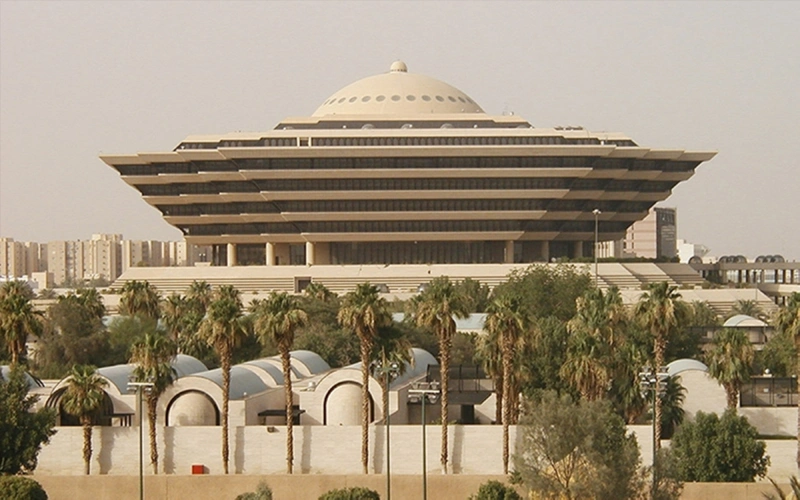
Medina is a city in western Saudi Arabia, revered as the second holiest city in Islam after Mecca. It was the home of the Prophet Muhammad after his migration (Hijra) in 622 CE, and it is where the first Muslim community was established, centered around the Prophet’s
Mecca
Mecca, located in Saudi Arabia, is the holiest city in Islam and the birthplace of the Prophet Muhammad. It is home to the Masjid al-Haram, which contains the Kaaba, the most sacred site toward which Muslims pray. Historically, Mecca has been a major center for pilgrimage (Hajj) for over 1,400 years, drawing millions of Muslims annually.
Kaaba
The Kaaba is a sacred cube-shaped building located in the center of the Grand Mosque in Mecca, Saudi Arabia, and is the holiest site in Islam. According to Islamic tradition, it was originally built by the Prophet Abraham and his son Ishmael as a monotheistic house of worship, though it was later used for polytheistic practices before being rededicated to the worship of one God by the Prophet Muhammad in 630 CE. Muslims around the world face the Kaaba during their daily prayers, and it serves as the focal point for the annual Hajj pilgrimage.
Medina
Medina, located in western Saudi Arabia, is the second holiest city in Islam after Mecca, renowned as the burial place of the Prophet Muhammad. It was originally known as Yathrib before becoming a refuge for the Prophet and his followers during the Hijra in 622 CE, marking the beginning of the Islamic calendar. Today, the city is centered around the Al-Masjid an-Nabawi (the Prophet’s Mosque), a major pilgrimage site that attracts millions of visitors each year.
Grand Mosque
The Grand Mosque, also known as the Sheikh Zayed Grand Mosque in Abu Dhabi, is one of the world’s largest and most stunning mosques, completed in 2007. It was commissioned by Sheikh Zayed bin Sultan Al Nahyan, the founding father of the UAE, to unite the world’s diverse Islamic cultures through its architectural design, which blends Mamluk, Ottoman, and Fatimid styles. The mosque features 82 domes, over 1,000 columns, and the world’s largest hand-knotted carpet, serving as a major center for worship and cultural exchange.
Hajj
The Hajj is an annual Islamic pilgrimage to the holy city of Mecca in Saudi Arabia, which every adult Muslim must undertake at least once in their lifetime if physically and financially able. Its origins trace back to the Prophet Abraham, who, according to Islamic tradition, built the Kaaba with his son Ishmael, and the rituals reenact events from their lives. Today, it is one of the largest religious gatherings in the world, drawing millions of pilgrims from diverse backgrounds to stand together in prayer and unity.
holy sites
“Holy sites” are locations revered for their religious or spiritual significance, often serving as centers of pilgrimage, worship, and cultural identity. These sites, such as Jerusalem’s Western Wall, Mecca’s Kaaba, or India’s Varanasi ghats, hold deep historical roots, frequently tied to ancient traditions, prophetic events, or sacred texts. Their preservation and continued use reflect the enduring role of faith in shaping human history and community life.
Western Wall
The Western Wall, also known as the Wailing Wall, is a remnant of the Second Temple complex in Jerusalem’s Old City, destroyed by the Romans in 70 CE. For centuries, it has been the holiest Jewish prayer site, symbolizing resilience and connection to the ancient Temple. Today, it remains a major pilgrimage destination where visitors place written prayers in its crevices.
Varanasi ghats
The Varanasi ghats are a series of steps leading down to the Ganges River in the ancient city of Varanasi, India, serving as a central hub for Hindu spiritual life and rituals. These historic ghats, many dating back centuries, are believed to be sacred sites where pilgrims perform ceremonial baths, prayers, and cremations, most notably at the Manikarnika and Dashashwamedh ghats. The ghats embody a continuous tradition of worship and death rituals that have been practiced for over 2,000 years, making them a profound symbol of the cycle of life and liberation in Hinduism.