
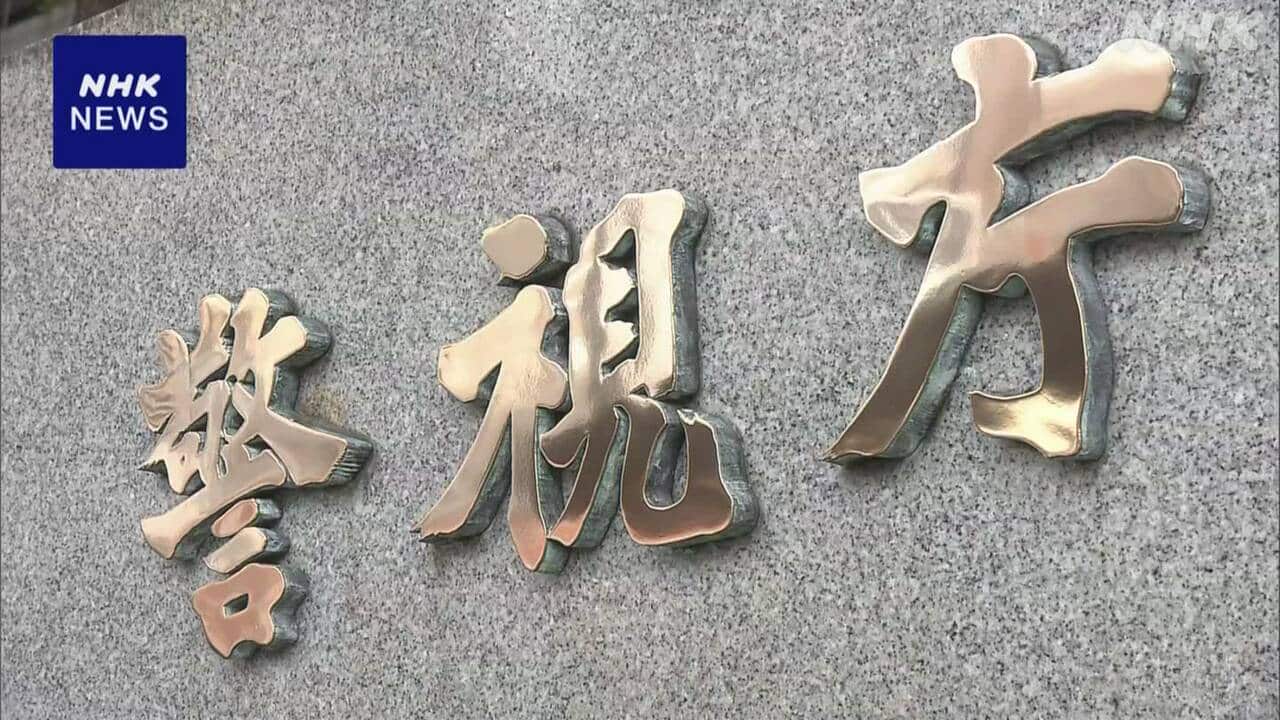
Eight years ago, a 29-year-old woman was found murdered in an apartment in Tokyo’s Roppongi district. The 47-year-old male suspect who lived in the apartment at the time left for Malaysia after the incident and was placed on an international wanted list. On the 25th, he was arrested locally.
Roppongi district
Roppongi is a vibrant district in Tokyo, Japan, known for its nightlife, upscale dining, and cultural attractions. Originally a quiet area with a military history during the Edo period, it transformed into a hub for international business and entertainment after World War II, hosting the U.S. military presence. Today, it features landmarks like the Mori Art Museum and the iconic Tokyo Tower, blending modern luxury with historical layers.
Roppongi district
Roppongi is a vibrant district in Tokyo, Japan, known for its upscale nightlife, art scene, and international atmosphere. Its name derives from the Edo period (17th–19th century), when it was home to six large trees (roppongi meaning “six trees”), and it later became a hub for foreign embassies and military personnel after World War II. Today, it blends modern skyscrapers like the Roppongi Hills Mori Tower with cultural institutions such as the Mori Art Museum and the National Art Center.
Tokyo
Tokyo, the capital of Japan, is a sprawling metropolis that blends ultramodern skyscrapers with historic temples. Originally a small fishing village named Edo, it became the seat of the Tokugawa shogunate in 1603 and was renamed Tokyo (“Eastern Capital”) in 1868 after the Meiji Restoration. Today, it is a global hub for culture, technology, and cuisine, known for landmarks like the Imperial Palace and the bustling Shibuya crossing.
Mori Art Museum
The Mori Art Museum, located in the Roppongi Hills complex in Tokyo, Japan, is a contemporary art museum that opened in 2003. It is unique for its focus on cutting-edge, international exhibitions without a permanent collection, and it occupies the 53rd floor, offering panoramic city views. The museum was established as part of the larger Roppongi Hills urban redevelopment project, aiming to integrate art and culture into the city’s modern landscape.
Tokyo Tower
Tokyo Tower is a iconic 333-meter-tall communications and observation tower in Minato, Tokyo, inspired by the Eiffel Tower and completed in 1958. It was built as a symbol of Japan’s post-war rebirth and economic growth, serving as a television broadcasting tower. Today, it remains a popular tourist attraction, offering panoramic city views and housing various shops and museums.
Roppongi district
Roppongi is a vibrant district in Tokyo, Japan, known for its nightlife, upscale dining, and cultural attractions. Historically, it gained prominence after World
Roppongi district
Roppongi is a vibrant district in Tokyo, Japan, known for its upscale nightlife, modern art museums, and international atmosphere. Historically, it developed as a military and diplomatic hub after World War II, with many embassies and foreign businesses establishing a presence there. Today, it blends its post-war heritage with contemporary attractions like the Mori Art Museum and the iconic Tokyo Tower views.
Tokyo
Tokyo, the capital of Japan, is a sprawling metropolis that blends ultra-modern skyscrapers with historic temples and shrines. Originally a small fishing village named Edo, it became the political center of Japan in 1603 under the Tokugawa shogunate and was renamed Tokyo (“Eastern Capital”) after the Meiji Restoration in 1868. Today, it is a global hub for technology, culture, and cuisine, famously known for its vibrant districts like Shibuya, Shinjuku, and the historic Asakusa.
Mori Art Museum
The Mori Art Museum is a contemporary art museum located on the 53rd floor of the Roppongi Hills Mori Tower in Tokyo, Japan. Established in 2003, it is known for its focus on cutting-edge exhibitions from around the world, often exploring themes of globalization, identity, and urban life. Unlike traditional museums, it has no permanent collection, instead presenting rotating shows that highlight innovative and thought-provoking works by international and Japanese artists.
Tokyo Tower
Tokyo Tower, a communications and observation tower inspired by the Eiffel Tower, was completed in 1958 as a symbol of Japan’s post-war economic rebirth. Standing 333 meters tall, it served primarily as a television broadcast antenna and quickly became a beloved landmark. Today, it remains a popular tourist destination, offering panoramic views of Tokyo and housing various attractions at its two observation decks.
National Art Center
The National Art Center in Tokyo, Japan, is a unique museum that opened in 2007, focusing on temporary exhibitions rather than a permanent collection. Designed by architect Kisho Kurokawa, its striking undulating glass facade is a notable feature. The center has hosted a wide range of international and Japanese art shows, fostering cultural exchange and appreciation.
Roppongi Hills Mori Tower
Roppongi Hills Mori Tower is a 54-story skyscraper in Tokyo, Japan, and a central feature of the Roppongi Hills development, which opened in 2003. The tower houses the Mori Art Museum and the Tokyo City View observation deck, offering panoramic views of the city. Its construction was part of a major urban renewal project led by developer Minoru Mori, transforming the area into a modern hub for business, culture, and entertainment.
Imperial Palace
The Imperial Palace, also known as the Forbidden City, is a vast palace complex in Beijing, China, that served as the imperial residence and political center for 24 emperors during the Ming and Qing dynasties (1420–1912). Construction began in 1406 under the Yongle Emperor and was completed in 1420, featuring over 980 buildings and exquisite traditional Chinese architecture. Today, it is a UNESCO World Heritage site and a major museum, showcasing centuries of Chinese imperial history and culture.
Shibuya crossing
Shibuya Crossing, located in Tokyo, Japan, is one of the world’s busiest pedestrian intersections, known for its iconic “scramble” crossing where dozens of people cross from all directions simultaneously. Its history dates back to the late 19th century when Shibuya developed as a railway hub, but the crossing gained global fame in the 20th century as the area became a major commercial and entertainment center. Today, it symbolizes Tokyo’s vibrant urban culture and is a popular filming location.
Related news

Chiyoda Ward Office hosts Berlin Philharmonic’s melodies during lunchtime concert.
Three members of an orchestra known as one of the ...

Japan fishery exports in 2025 hit a record high of 423.1 billion yen.
Minister of Agriculture, Forestry and Fisheries No...
21 years since the JR Fukuchiyama Line derailment: Prayers for the victims in Amagasaki, Hyogo
It has been 21 years since the JR Fukuchiyama Line...

As school absenteeism rises, Japanese fathers seek support at izakaya gatherings.
Fathers gather for an "Oyaji-no-Kai" at an izakaya...

2,000 yen worth of digital coupons available for use in Yokohama Chinatown
"I Love Chinatown Coupon" sold by the Yokohama Chi...