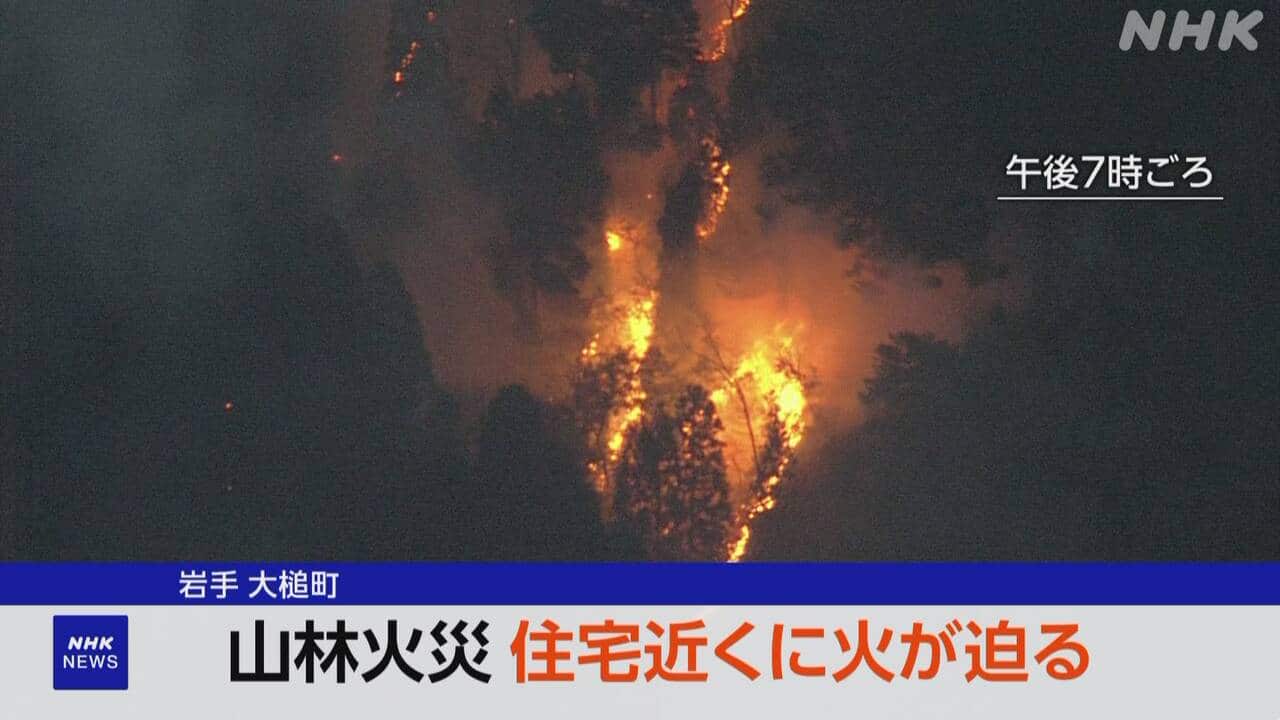
The forest fire in Otsuchi Town, Iwate Prefecture, entered its fourth day on the 25th, with the blaze continuing to spread. According to the fire department, the number of locations where flames are approaching residential areas has further increased, and firefighting operations involving over 1,000 personnel are underway…
Read more
Otsuchi Town
Otsuchi Town, located in Iwate Prefecture, Japan, is a coastal community with a deep history in fishing and whaling. The town was devastated by the 2011 Great East Japan Earthquake and tsunami, which destroyed much of its infrastructure and claimed many lives. Today, Otsuchi is known for its ongoing reconstruction efforts, memorial sites, and the Otsuchi Folk Museum, which preserves the town’s cultural heritage and the memory of the disaster.
Otsuchi Town
Otsuchi Town is a coastal community in Iwate Prefecture, Japan, known for its deep connection to the sea and its tragic history during the 2011 Great East Japan Earthquake and Tsunami, which devastated much of the town. Prior to the disaster, it was a thriving fishing port with a rich cultural heritage, including the traditional “Otsuchi Kagura” dance. Today, the town is focused on recovery and reconstruction, honoring its past while building a resilient future.
Iwate Prefecture
Iwate Prefecture, located in the Tohoku region of northern Japan, is known for its rugged natural beauty, including the scenic Sanriku Coast and Mount Iwate. Historically, it was home to the powerful Fujiwara clan during the Heian period, who left a legacy of cultural treasures like Chuson-ji Temple in Hiraizumi, a UNESCO World Heritage site. The region also suffered great damage from the 2011 Tōhoku earthquake and tsunami, but has since worked to rebuild and preserve its rich cultural heritage.
Otsuchi Folk Museum
The Otsuchi Folk Museum, located in Otsuchi, Iwate Prefecture, Japan, preserves and showcases the daily life, culture, and history of the local fishing and farming communities. Its collection includes traditional tools, household items, and artifacts that highlight the region’s heritage, much of which was impacted by the 2011 Great East Japan Earthquake and tsunami. The museum serves as a vital resource for remembering the area’s past and supporting cultural recovery.
Otsuchi Town
Otsuchi Town is a coastal town in Iwate Prefecture, Japan, known for its deep connection to the sea and its tragic history during the 2011 Great East Japan Earthquake and tsunami, which devastated the community and claimed many lives. In the years since, the town has focused on recovery and rebuilding, while preserving the memory of the disaster through memorials and the “Otsuchi Memorial Museum.” The town’s culture remains rooted in fishing and local traditions, symbolizing resilience and the enduring spirit of its residents.
<div class="my-4 p-4 rounded-lg
Otsuchi Folk Museum
The Otsuchi Folk Museum, located in Otsuchi, Iwate Prefecture, Japan, preserves and exhibits the daily life, tools, and cultural heritage of the region, with a focus on the local fishing and farming communities. The museum suffered significant damage during the 2011 Great East Japan Earthquake and tsunami, leading to the loss of many artifacts, but it has since been rebuilt and reopened to continue sharing the area’s history. Its collections include traditional clothing, household items, and historical documents that offer insight into the town’s coastal lifestyle before the disaster.
Chuson-ji Temple
Chuson-ji Temple is a historic Buddhist temple in Hiraizumi, Japan, founded in the 9th century and rebuilt in its current grand form around 1124 by the powerful Fujiwara clan. It served as a symbol of their political and cultural influence during the Heian period, reflecting the clan’s ambition to create a pure land on Earth. The temple’s Konjikido (Golden Hall) is a masterpiece of art and architecture, featuring gold leaf and intricate Buddhist imagery.
Hiraizumi
Hiraizumi is a historic town in Japan’s Iwate Prefecture that served as the political and cultural center of the powerful Ōshū Fujiwara clan during the 11th and 12th centuries. Modeled after the Buddhist Pure Land, it was once a rival to Kyoto in grandeur, featuring temples and gardens like Chūson-ji and Mōtsū-ji. Today, it is a UNESCO World Heritage site, recognized for its unique fusion of Buddhist architecture and landscape design.
Sanriku Coast
The Sanriku Coast is a rugged, scenic stretch of shoreline in northeastern Japan, known for its dramatic ria coastline—deep, narrow inlets formed by submerged river valleys. Historically, the region has been shaped by both its rich fishing culture and repeated devastation from tsunamis, most notably the 2011 Tōhoku earthquake and tsunami, which caused massive destruction and loss of life. Today, the coast is a symbol of resilience, with rebuilt communities and ongoing efforts to preserve its natural beauty while honoring the memory of past disasters.
Mount Iwate
Mount Iwate is a prominent stratovolcano located in Iwate Prefecture, Japan, standing at 2,038 meters tall. Known for its distinctive twin peaks, it has been a sacred site in Shinto and Buddhist traditions, with its last major eruption occurring in 1732. The mountain is a popular destination for hikers and offers scenic views, while also holding cultural significance as a symbol of the region’s natural heritage.
Otsuchi Memorial Museum
The Otsuchi Memorial Museum, located in Otsuchi, Iwate Prefecture, Japan, serves as a memorial and educational facility dedicated to preserving the memory of the 2011 Great East Japan Earthquake and tsunami. It documents the devastating impact of the disaster on the town, which lost over 10% of its population, and shares stories of resilience and recovery. The museum also functions as a center for disaster preparedness, aiming to pass on lessons learned to future generations to prevent similar tragedies.