Man arrested upon return from Malaysia on murder charges in connection with woman’s death in Roppongi 8 years ago.
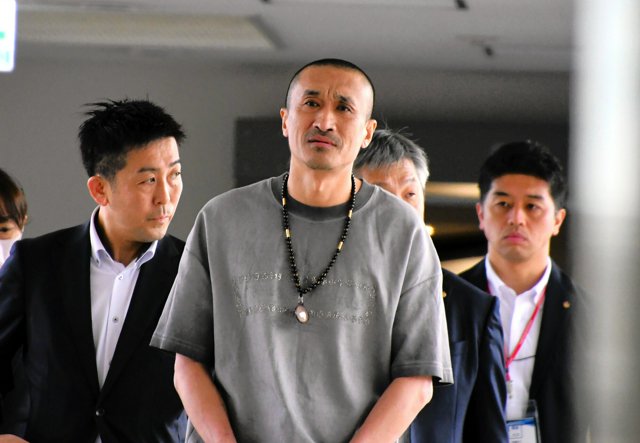
Eight years ago, a woman (29 at the time) was killed in Tokyo. On the 25th, the Metropolitan Police Department arrested and announced the arrest of an acquaintance, suspect Takaaki Takahashi (47, address and occupation unknown), on suspicion of murder. The suspect had left the country before the incident was discovered and his whereabouts became unknown, but he was detained by local authorities by June of last year and returned to Japan on the 25th.
The suspect Takahashi reportedly said, “I have nothing to say now.”
According to the First Investigative Division, the woman was Kumi Baretto, who was living in the area at the time. The suspect Takahashi is suspected of killing Baretto around October 11-12, 2018, by striking her head multiple times with a blunt object in a room of an apartment in Minato Ward, Roppongi 5-chome, where he was living at the time.
The incident was discovered on October 18, 2018. Baretto’s mother, who lives in the United States, contacted the Azabu Police Station saying she could not reach her daughter. When police officers checked the suspect Takahashi’s room, they found Baretto lying on the floor wrapped in a sheet. Her death was confirmed at the scene. According to investigative sources, a dumbbell was left at the scene, and the police investigated the possibility it was used as the murder weapon.
A judicial autopsy revealed the cause of death was brain damage due to a skull fracture. There were multiple wounds on her head and face consistent with being struck by an object, and an estimated several days to ten days had passed since her death.
■The arrest warrant that was issued and the circumstances of the return to Japan…
Tokyo
Tokyo is the capital of Japan and one of the world’s most populous and dynamic cities. Originally a small fishing village named Edo, it became the political center of Japan in the early 17th century under the Tokugawa shogunate, and was renamed Tokyo (“Eastern Capital”) when the Emperor moved there in 1868. Today, the city is a global hub for technology, culture, and finance, blending centuries-old temples with cutting-edge skyscrapers.
Minato Ward
Minato Ward is a special district in central Tokyo, Japan, known as a major commercial and diplomatic hub. Historically, it developed around the Edo period as a port area (its name literally means “harbor district”) and later became home to numerous embassies, foreign companies, and high-end residential neighborhoods. Today, it blends modern skyscrapers with historic sites like the Zojo-ji Temple and Tokyo Tower.
Roppongi 5-chome
Roppongi 5-chome is a vibrant district in Tokyo’s Minato ward, historically known for its post-war development as a hub for nightlife and entertainment, attracting both locals and international visitors. The area gained further prominence in the 2000s with the opening of the Roppongi Hills complex, a large-scale urban renewal project that includes offices, residences, shops, and the Mori Art Museum. Today, it remains a dynamic blend of modern architecture, cultural institutions, and a lively social scene.
Azabu Police Station
The Azabu Police Station is a historic police station located in the upscale Azabu district of Tokyo, Japan. Originally established in the late 19th century during the Meiji period, it has served as a key law enforcement hub for the area. The station is notable for its distinctive Western-influ
Tokyo
Tokyo is the capital of Japan and one of the world’s most populous and vibrant cities, blending ultramodern skyscrapers with historic temples. Originally a small fishing village called Edo, it became the political center of Japan in 1603 when the Tokugawa shogunate established its government there. After the Meiji Restoration in 1868, the city was renamed Tokyo (“Eastern Capital”) and rapidly developed into a global hub for culture, technology, and economy.
Minato Ward
Minato Ward is a special district in Tokyo, Japan, known for its blend of modern skyscrapers, upscale neighborhoods, and historic landmarks. Historically, it developed from a collection of fishing villages and samurai estates during the Edo period, later evolving into a major commercial and diplomatic center after Tokyo became the capital. Today, it houses numerous embassies, corporate headquarters, and iconic sites like Tokyo Tower and the Zojo-ji Temple.
Roppongi 5-chome
Roppongi 5-chome is a vibrant district in Tokyo’s Minato ward, known for its mix of modern nightlife, art, and culture. Historically, it was part of a military training ground during the Edo period, later evolving into a post-war hub for international residents and businesses. Today, it hosts landmarks like the Mori Art Museum and the iconic Roppongi Hills complex, reflecting Tokyo’s dynamic urban transformation.
Azabu Police Station
The Azabu Police Station is a historic police station located in the upscale Azabu district of Tokyo, Japan. Originally established in the late 19th century during the Meiji period, it has served as a key law enforcement hub for the area, overseeing the safety of embassies, businesses, and residential neighborhoods. The station is also notable for its distinctive Western-influenced architecture, reflecting Japan’s modernization efforts at the time.