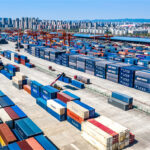
In 2026, goods from Guangdong are setting the trend. The “Guangdong Goods Go Global” summer campaign has been launched, showcasing the province’s intelligent manufacturing as it expands into international markets.
Guangdong
Guangdong is a coastal province in southern China known for its vibrant culture and economic importance, especially as the birthplace of the Cantonese language and cuisine. Historically, it was a key center for maritime trade and the starting point of the Maritime Silk Road, and it played a major role in China’s modern reform and opening-up policies, with cities like Guangzhou and Shenzhen leading industrial and technological growth. Today, Guangdong remains a dynamic hub for commerce, innovation, and cultural exchange.
Guangdong
Guangdong is a coastal province in southern China known for its strong economy and distinctive Cantonese culture. Historically, it was a key center for maritime trade and emigration, including the 19th-century opium trade and the birthplace of the 1911 Xinhai Revolution. Today, it is home to major cities like Guangzhou and Shenzhen, blending ancient traditions with rapid modernization.
Cantonese
Cantonese refers to both the language and culture originating from the Guangdong province of China, particularly the city of Guangzhou (Canton) and Hong Kong. Historically, it developed as a major trading hub along the Pearl River Delta, with a rich heritage in cuisine, opera, and martial arts. The Cantonese language has been preserved by diaspora communities worldwide, making it one of the most influential Chinese dialects globally.
Maritime Silk Road
The Maritime Silk Road was a historic network of sea routes connecting China to Southeast Asia, the Indian subcontinent, the Arabian Peninsula, and East Africa, flourishing from the 2nd century BCE to the 15th century CE. It facilitated the exchange of goods such as silk, porcelain, spices, and pearls, along with cultural and technological transfers between civilizations. Key ports like Quanzhou in China and Malacca in Malaysia served as vital hubs, shaping global trade long before the modern era.
Guangzhou
Guangzhou, also known as Canton, is a major port city in southern China with a history spanning over 2,200 years. It was a key starting point of the ancient Maritime Silk Road and has long been a center of trade and cultural exchange. Today, it is a thriving modern metropolis known for its Cantonese cuisine, historic landmarks like the Chen Clan Ancestral Hall, and the iconic Canton Tower.
Shenzhen
Shenzhen, located in southern China, was a small fishing village until it was designated as China’s first Special Economic Zone in 1980, sparking rapid urbanization and economic growth. Today, it is a global technology hub, home to major companies like Huawei and Tencent, and known for its innovative spirit and modern skyline. The city’s transformation from a rural area to a bustling metropolis in just a few decades is a remarkable example of China’s economic reform era.
Maritime Silk Road
The Maritime Silk Road was a historic network of sea routes connecting China, Southeast Asia, the Indian subcontinent, the Arabian Peninsula, and East Africa, flourishing from the 2nd century BCE to the 15th century CE. It facilitated the exchange of goods like silk, porcelain, spices, and pearls, as well as cultural and technological ideas between civilizations. This route played a crucial role in global trade and cultural diffusion long before the modern era.
Guangzhou
Guangzhou, the capital of Guangdong Province in southern China, is a major port city with a history spanning over 2,200 years. It was a key starting point of the ancient Maritime Silk Road and has long been a center of trade and cultural exchange. Today, it is known for its modern skyline, Cantonese cuisine, and landmarks like the Canton Tower and Chen Clan Ancestral Hall.
Shenzhen
Shenzhen is a major city in southern China, known for its rapid transformation from a small fishing village into a global technology and innovation hub. Designated as China’s first Special Economic Zone in 1980, it pioneered market-oriented reforms and attracted massive investment, leading to explosive growth. Today, Shenzhen is famous for its skyline, tech companies like Huawei and Tencent, and its role as a gateway for trade and innovation.
Pearl River Delta
The Pearl River Delta is a low-lying region in southern China where the Pearl River flows into the South China Sea, encompassing major cities like Guangzhou, Shenzhen, and Hong Kong. Historically, it was a key area for early trade and agriculture, but over the past few decades it has transformed into one of the world’s most dynamic manufacturing and economic hubs. This rapid urbanization has made the delta a symbol of China’s economic reform and global integration since the late 20th century.
Quanzhou
Quanzhou, located in Fujian Province, China, was a major maritime hub during the Song and Yuan dynasties, serving as the starting point of the Maritime Silk Road. It became one of the world’s busiest ports, fostering multicultural exchanges and leaving a legacy of diverse religious sites, such as the Qingjing Mosque and Kaiyuan Temple. Today, it is a UNESCO World Heritage site recognized for its historical role in global trade and cultural fusion.
Malacca
Malacca is a historic city in Malaysia, renowned for its role as a vital trading port from the 15th century onward. Founded by Parameswara, a Sumatran prince, it flourished under the Malacca Sultanate before being colonized by the Portuguese, Dutch, and British, which left a rich blend of cultural and architectural influences. Today, its well-preserved heritage sites, such as A Famosa and St. Paul’s Church, make it a UNESCO World Heritage site.
Chen Clan Ancestral Hall
The Chen Clan Ancestral Hall, located in Guangzhou, China, is a historic temple complex built in 1894 during the Qing Dynasty. Originally constructed as a place for Chen family members to prepare for imperial exams and honor their ancestors, it now houses the Guangdong Folk Art Museum. The hall is renowned for its exquisite traditional architecture, intricate woodcarvings, and vibrant ceramic sculptures.
Canton Tower
The Canton Tower, located in Guangzhou, China, is a 600-meter-tall landmark that opened in 2010 for the Asian Games. It was designed by the Dutch firm Information Based Architecture and features a distinctive hyperboloid structure with a twisting, hourglass shape. The tower serves as a television and observation tower, offering panoramic views of the city and symbolizing Guangzhou’s rapid modernization.