Police investigate inside Asahiyama Zoo after clues to wife’s murder surface in Asahikawa, Hokkaido
A male employee of Asahiyama Zoo in Hokkaido, who is being questioned voluntarily about disposing of his wife’s remains in an incinerator, has hinted at killing her.
The incident came to light when a female acquaintance contacted Hokkaido Police in April, saying she had been unable to reach the woman.
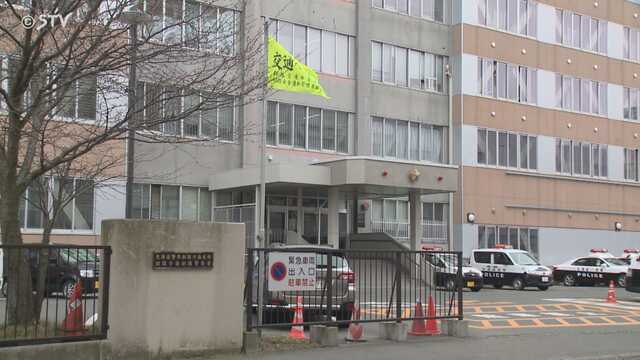
In response, police began voluntary questioning of the woman’s husband, a man in his 30s, on the 23rd.
The man being questioned is a male employee in his 30s who works at Asahiyama Zoo.
According to investigative sources, he has stated that he disposed of his wife’s body, also in her 30s, in an incinerator at Asahiyama Zoo.
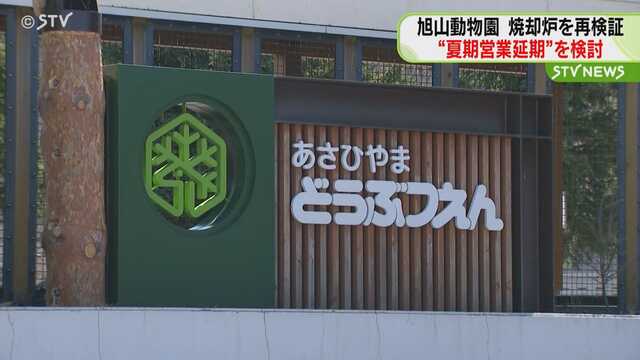
Asahiyama Zoo is currently closed and is scheduled to begin its summer season on April 29.
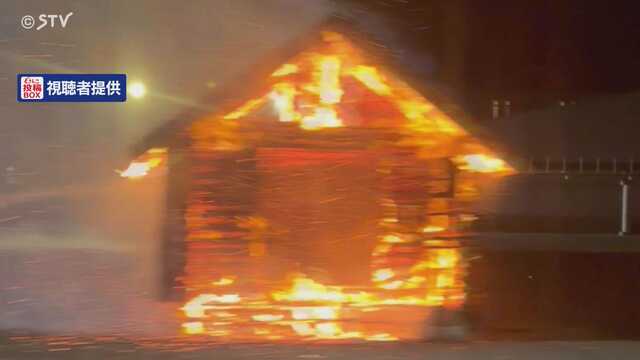
The scene is an incinerator near the old east gate of Asahiyama Zoo.
Nearby is a children’s petting zoo where rabbits and guinea pigs are kept.
Police are currently searching the zoo grounds based on the man’s statements, but no body has been found so far.
Police are investigating the possibility that the body may have been burned.
Asahiyama Zoo
Asahiyama Zoo, located in Asahikawa, Hokkaido, Japan, is renowned for its innovative “behavioral exhibition” designs that allow visitors to observe animals’ natural behaviors up close. Opened in 1967, the zoo gained international fame for features like the Penguin Walk and the seal tunnel. It remains one of Japan’s most popular zoos, attracting millions of visitors annually.
Asahiyama Zoo
Asahiyama Zoo, located in Asahikawa, Hokkaido, Japan, is renowned for its innovative “action-oriented” enclosures that allow visitors to observe animals’ natural behaviors up close, such as penguins swimming overhead in a transparent tunnel. Opened in 1967, it struggled with low attendance until a major renovation in the 1990s introduced these creative exhibits, leading to a dramatic revival in popularity. Today, it is one of Japan’s most visited zoos, famous for its winter penguin walks and efforts to educate about wildlife conservation.
Hokkaido
Hokkaido, Japan’s northernmost island, was historically inhabited by the Ainu people before large-scale Japanese settlement began in the late 19th century during the Meiji era. It was originally known as Ezochi and was developed for agriculture, mining, and industry, with Sapporo established as its capital. Today, Hokkaido is famous for its natural landscapes, national parks, and winter tourism, including the annual Sapporo Snow Festival.
Asahiyama Zoo incinerator
The Asahiyama Zoo incinerator is a notable facility within the popular Asahiyama Zoo in Hokkaido, Japan, designed to manage waste generated by the zoo’s operations. It reflects the zoo’s commitment to environmental sustainability by converting animal waste and other refuse into energy or reducing landfill use. The incinerator’s history is tied to the zoo’s broader efforts since its 1967 opening to balance animal care with eco-friendly practices.
old east gate of Asahiyama Zoo
The Old East Gate of Asahiyama Zoo, located in Asahikawa, Hokkaido, was the original entrance to one of Japan’s most popular zoos when it opened in 1967. Known for its innovative exhibits that allow visitors to observe animals from unique angles, the gate is a nostalgic landmark that marks the zoo’s early history before major expansions and renovations took place. Today, it stands as a reminder of the zoo’s origins and its evolution into a world-class facility.
children’s petting zoo
A children’s petting zoo is a hands-on animal exhibit designed for young visitors to interact with gentle, domesticated animals like goats, sheep, and rabbits. Originating as part of larger farms or zoos in the mid-20th century, these spaces grew in popularity as a way to educate children about animal care and nature in a safe, supervised environment. Today, they are common attractions at fairs, parks, and educational farms, offering a memorable experience that fosters empathy and curiosity about animals.