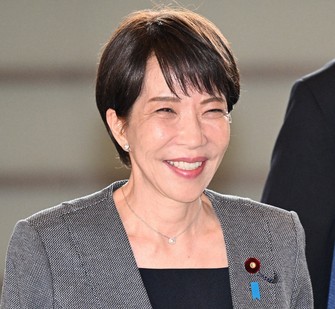
Japanese Prime Minister Sanae Takaichi complained she was not getting enough sleep, a veteran politician who met her Thursday said.
The remark came as Takaichi’s premiership recently reached the six-month mark. After winning her ruling party’s leadership election in October, putting her on course to become Japan’s first female prime minister, she vowed to “work, work, work, work and work,” a phrase that became a catchphrase in 2025.
“I want to get a little more sleep,” the 65-year-old prime minister was quoted as telling former trade minister Akira Amari during a meeting at her office. Amari is also known as a close aide to the late Prime Minister Shinzo Abe.
Takaichi moved to the prime minister’s official residence late last year with her husband. The residence is a short walk from the prime minister’s office.
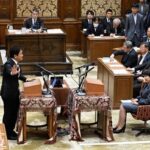
She told a parliamentary committee meeting in early April that her sleep time is “quite short as I’m tied up with housework” and “the rest of the time is spent doing work.”
She also said at the time that she tries to “take work home as much as possible” because staying at the prime minister’s office keeps her aides and bodyguards on standby.
In February, she said of food, “I’m not permitted to go shopping or order takeout from the official residence. If I run out of frozen food, that’s the end.”
Amari told reporters after their meeting that Takaichi also spoke about difficulties managing meals.