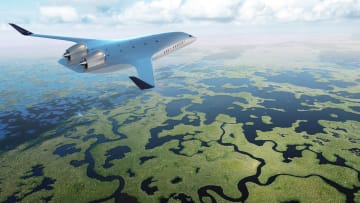
In the race to create alternative and sustainable aviation fuel, some companies are becoming more inventive. We have heard about planes running on cooking oil, but what about aviation fuel made entirely from human waste?
A company called “Firefly Green Fuels,” an aviation firm based in Gloucestershire, United Kingdom, has specifically created this.
While Sustainable Aviation Fuel (SAF) is not new, the idea of using sewage—an unavoidable and abundant waste—is considered novel.
Could this truly be the future of air travel?
Until now, sewage has been an untapped resource when it comes to sustainable aviation fuel, but the CEO of Firefly, James Hygate, saw it as a missed opportunity.
Hygate explained: “There is a lot of it, it is available everywhere in the world, and there is really no good use for it currently, which makes it a very low-value material.”
The company is an extension of “Green Fuels,” which has been developing low-carbon fuels since the early 2000s.
Treating Feces
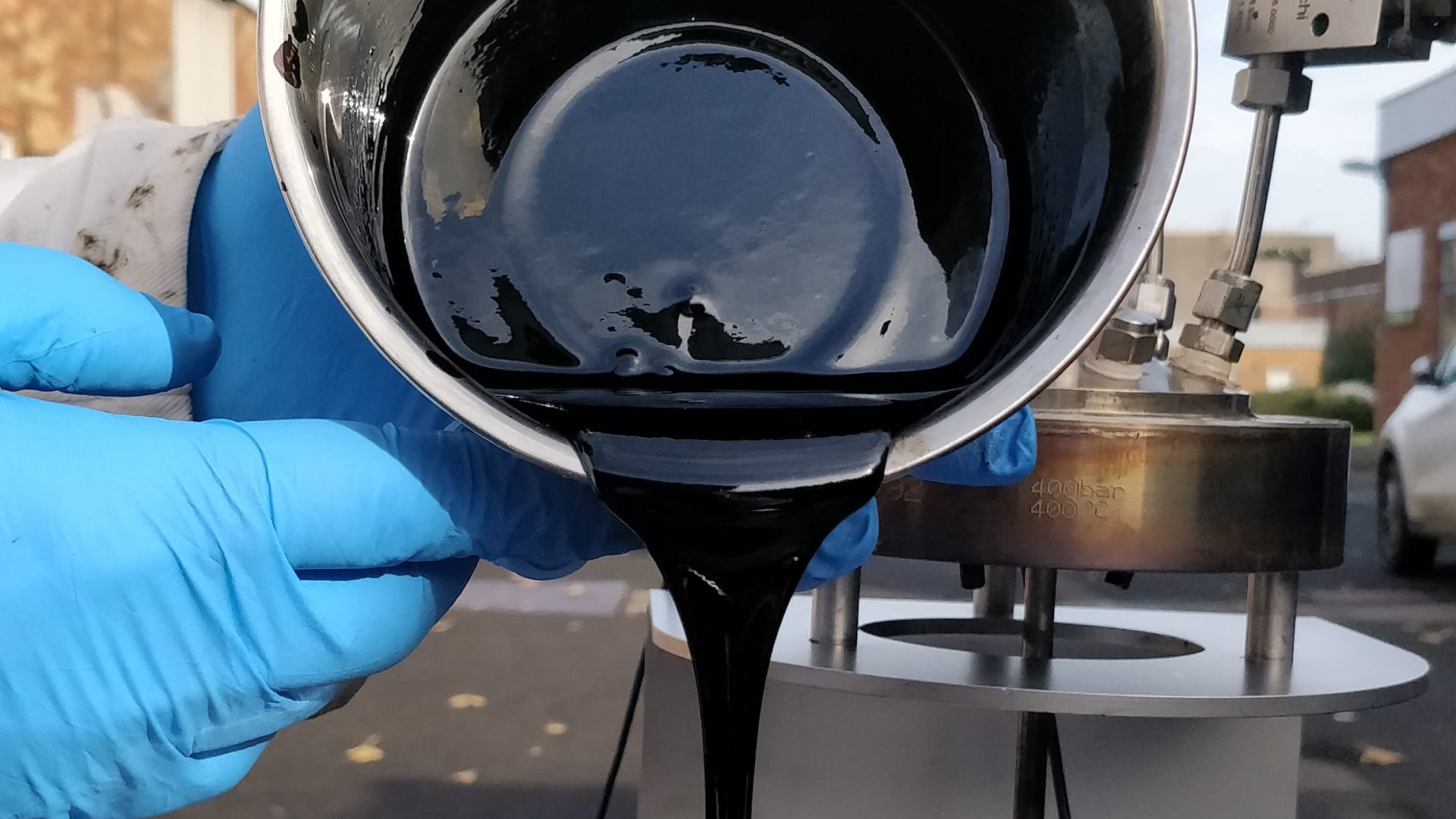
To convert human waste into usable fuel, Firefly uses a method called hydrothermal liquefaction, which is suitable for wet waste.
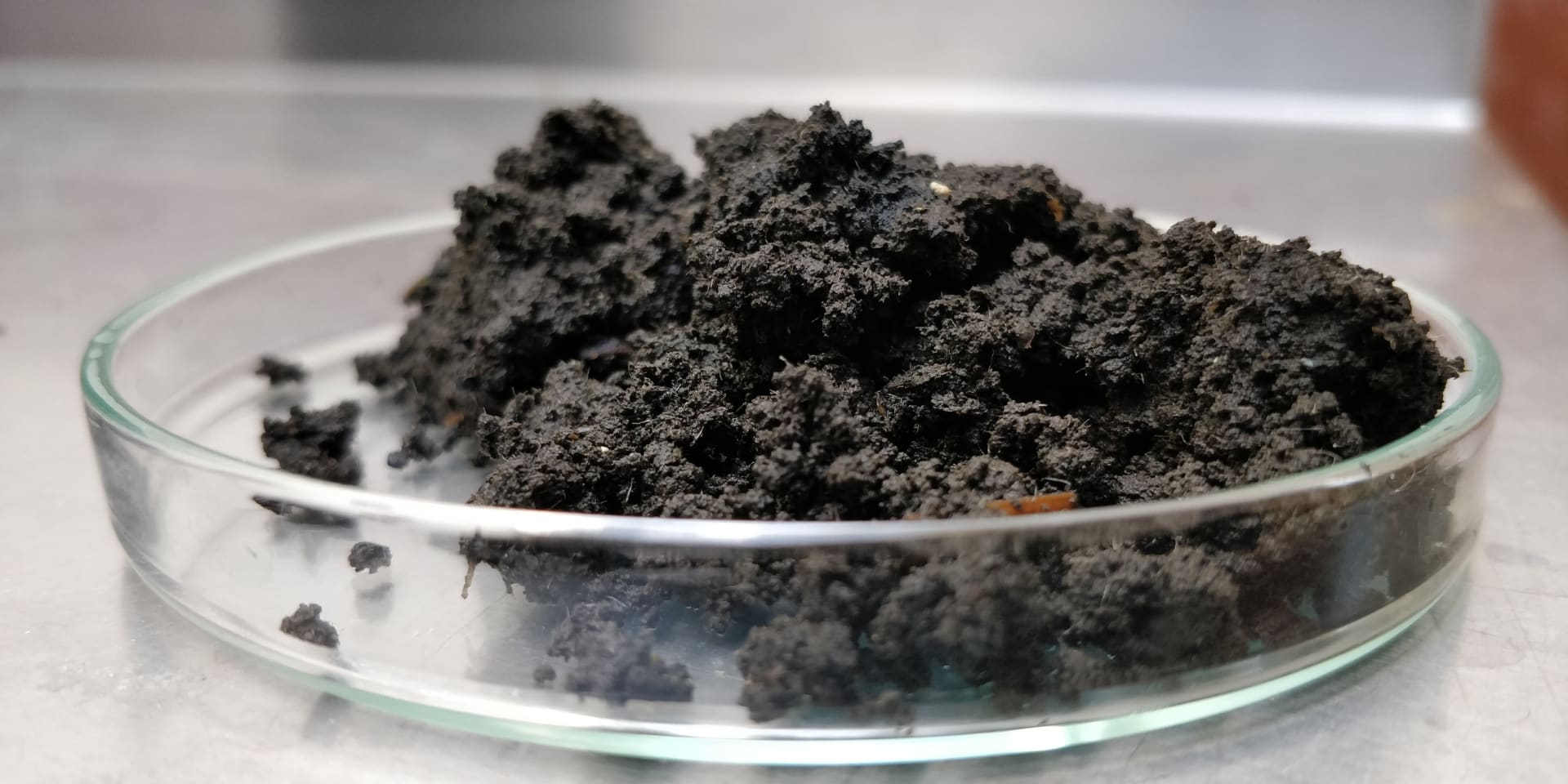
By combining high pressure and heat, the process turns sewage into carbon-rich biochar (a powder that can be used as fertilizer for crops) and crude oil.
So far, production has been on a small scale in a laboratory.
But early results are promising, as an independent analysis by researchers at universities in the European Union and the United States found that the resulting material is nearly identical to typical fossil-based aviation fuel.
According to a life cycle analysis conducted by Cranfield University in the UK, the material has a 90% lower carbon footprint compared to typical jet fuel.
Firefly aims to increase production in the coming years and expects to submit an application this year for fuel qualification with ASTM International standards.
After that, the company will begin building a processing facility in the UK that Hygate hopes will be operational before 2030, capable of handling 100,000 tons of bio-crude oil annually, or producing about 40 million liters of sustainable aviation fuel.
Hygate noted that to put that in perspective, that amount is enough for 800 flights from the British capital London to New York City in the United States.
He added that this fuel will be more expensive than traditional kerosene used by planes, but cheaper to produce than other biofuels.
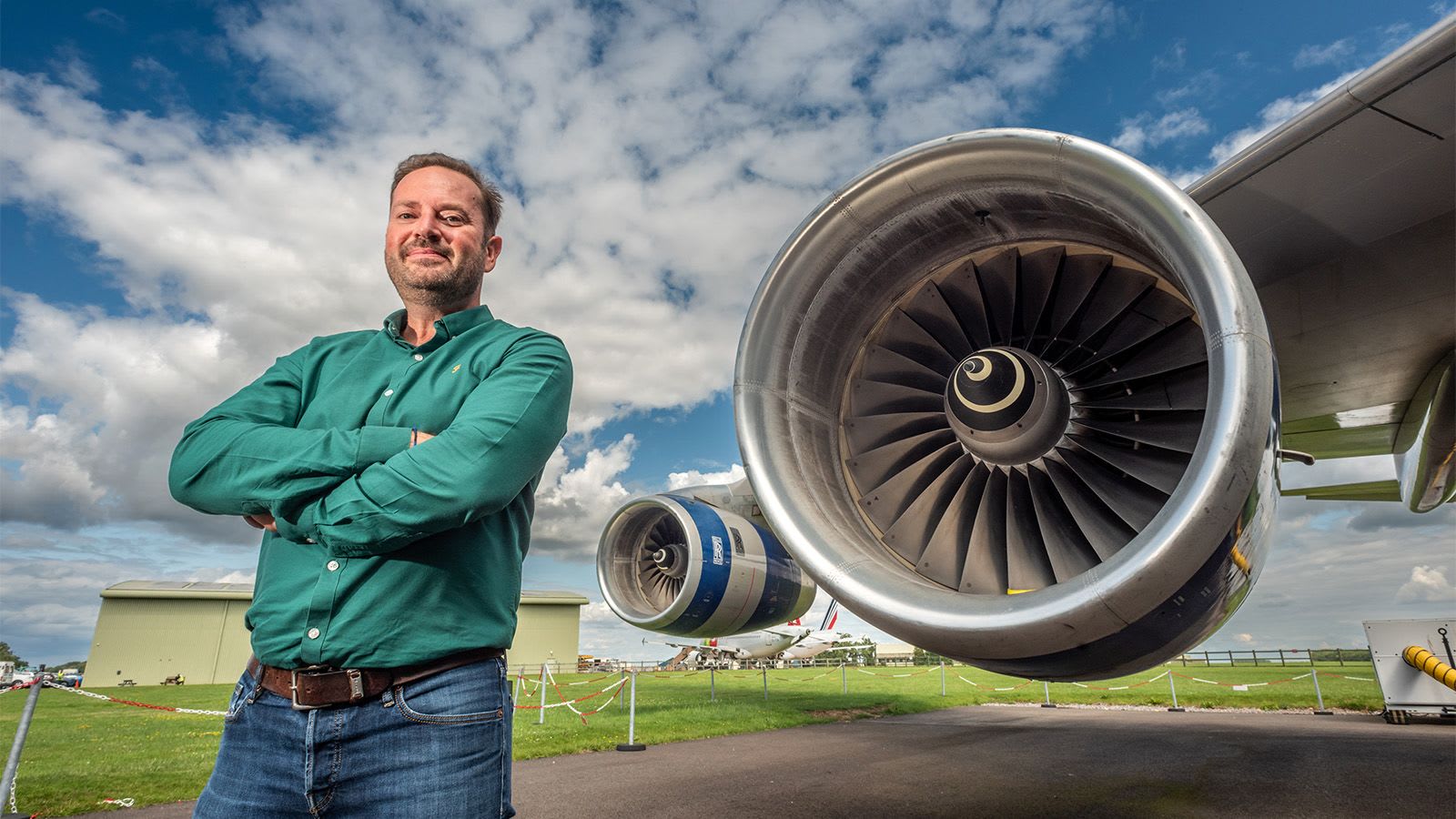
Obtaining sewage is supposed to be easy, according to Hygate, who added that Firefly is already in talks with several water utility companies in the UK, but he acknowledges that funding the processing facilities could be challenging.
However, the amount of sewage is something that cannot be increased.
Hygate estimates that if all usable sewage waste in the UK were used to make aviation fuel, it would meet only 5% of the UK’s aviation fuel needs.
Therefore, it must be used alongside other sustainable aviation fuel feedstocks, such as rapeseed oil.
A Resource Not to Be Underestimated
<h
Gloucestershire
Gloucestershire is a historic county in southwest England, known for its picturesque Cotswold hills and the ancient Roman and medieval city of Gloucester. Its history spans from Roman settlements to the wool trade that fueled its prosperity in the Middle Ages, with landmarks like Gloucester Cathedral and Berkeley Castle reflecting its rich past. Today, it remains a popular destination for its natural beauty, cultural heritage, and the annual Cheltenham Festival.
Cranfield University
Cranfield University is a British postgraduate and research-intensive university located in Bedfordshire, with a unique focus on science, engineering, technology, and management. Originally established as the College of Aeronautics in 1946, it was granted university status in 1969 and has since become renowned for its close ties to industry and its world-class facilities, including its own airport. Today, it is a leading institution for applied research and professional education, particularly in aerospace, manufacturing, and defense.
London
London is the capital city of the United Kingdom, with a history spanning nearly two millennia, from its founding as the Roman settlement of Londinium around 43 AD. It grew into a major global hub of trade, culture, and politics, surviving events like the Great Fire of 1666 and the Blitz of World War II. Today, London is renowned for iconic landmarks such as the Tower of London, Buckingham Palace, and the British Museum, reflecting its rich heritage and modern diversity.
New York City
New York City, originally settled by the Dutch as New Amsterdam in 1624, became a major hub of immigration and commerce after the British took control in 1664. It served as the first capital of the United States under the Constitution and has since grown into a global center for finance, culture, and innovation. Today, it remains iconic for landmarks like the Statue of Liberty, Times Square, and its diverse, vibrant neighborhoods.
United Kingdom
The United Kingdom is a sovereign country located off the northwestern coast of mainland Europe, comprising England, Scotland, Wales, and Northern Ireland. Its history is marked by the unification of these nations over centuries, the rise of the British Empire, and its role in both World Wars. Today, it is known for its rich cultural heritage, including landmarks like Buckingham Palace and Stonehenge, and its influence on global politics and language.
European Union
The European Union (EU) is a unique political and economic union of 27 European countries, established after World War II to foster peace, stability, and shared prosperity. Its origins trace back to the 1951 European Coal and Steel Community, which aimed to integrate key industries and prevent future conflicts. Over time, it evolved through treaties like the Maastricht Treaty (1993), creating a single market, a common currency (the euro), and shared policies on trade, environment, and law.
United States
The United States is a vast and diverse nation in North America, founded in 1776 after declaring independence from Great Britain. Its history includes a westward expansion, a Civil War over slavery and states’ rights, and emergence as a global superpower in the 20th century. Today, it is known for its cultural influence, democratic institutions, and iconic landmarks like the Statue of Liberty and the Grand Canyon.
ASTM International
ASTM International, originally founded in 1898 as the American Society for Testing and Materials, is a globally recognized standards organization that develops and publishes voluntary consensus technical standards for a wide range of materials, products, systems, and services. Headquartered in West Conshohocken, Pennsylvania, it has grown from its early focus on steel and railway materials to cover over 12,000 standards used worldwide, impacting industries from construction to consumer goods. The organization’s history reflects a century-long commitment to improving safety, quality, and interoperability through collaborative, expert-driven standard-setting.