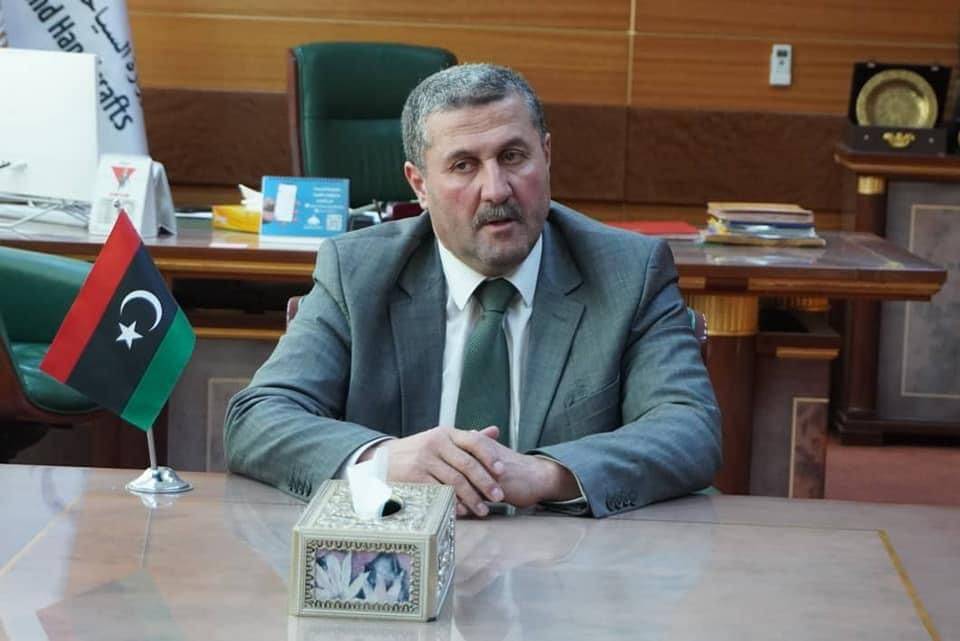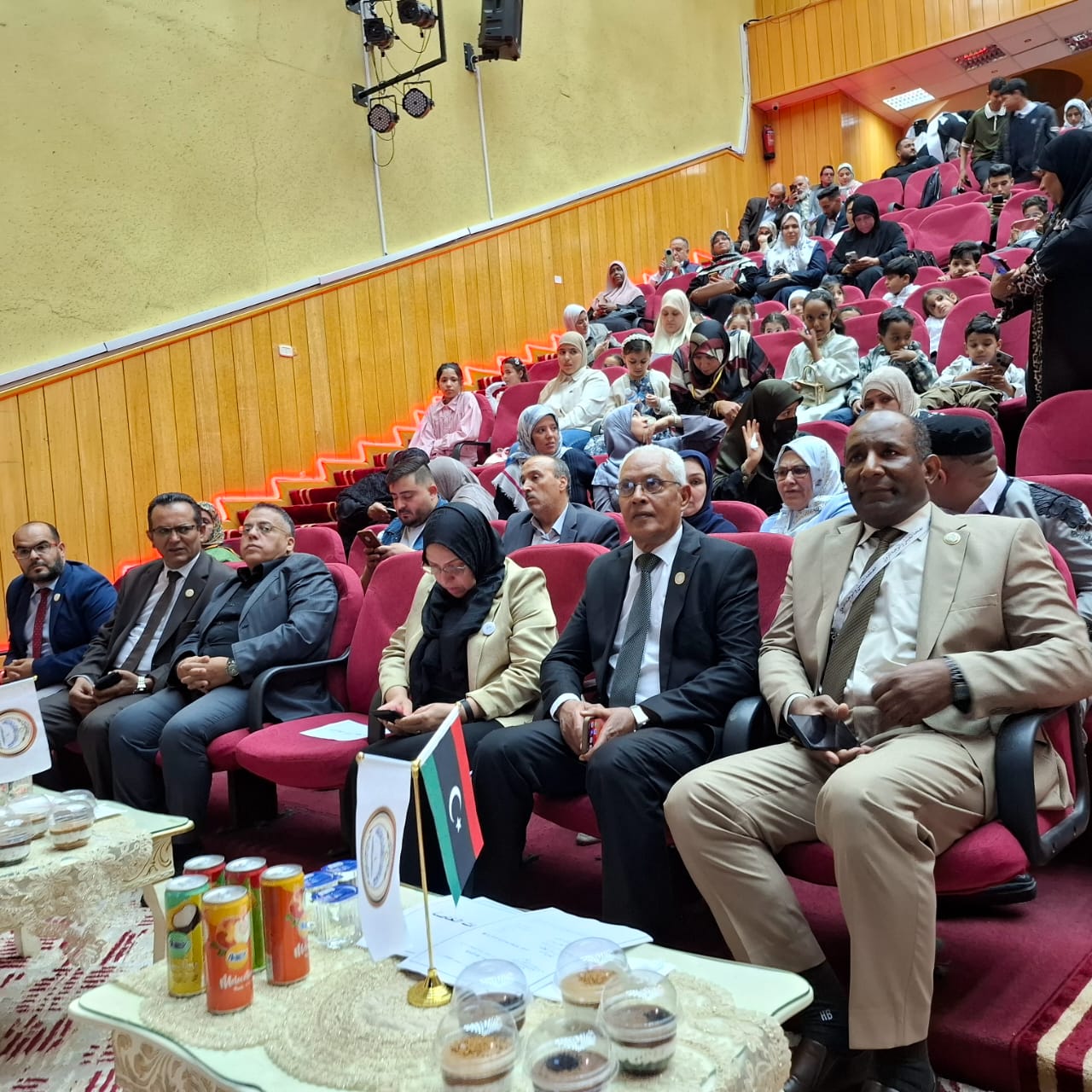
On April 22, 2026, the President of the High Council of State, Mohamed Takala, received at the council’s headquarters a delegation representing the legal team supporting the correction of the course, as part of the council’s commitment to openness towards legal actors and strengthening institutional reform paths within the framework of constitutional legitimacy.
During the meeting, Takala reviewed a presentation by the delegation on the team’s trajectory since its founding in 2012, appreciating its role in monitoring and analyzing institutional developments, and its contributions to framing public legal discourse, thereby enhancing the principles of the rule of law and preserving the unity of institutions, in accordance with the provisions of the Constitutional Declaration and applicable legislation.
The meeting also addressed developments in the judicial crisis, in light of the announced formation of a parallel Supreme Judicial Council in the eastern region. Emphasis was placed on the seriousness of undermining the unity of the judicial authority, given its repercussions on the independence of the judiciary, the cohesion of state institutions, and its negative impact on the stability of transactions and the confidence of litigants.
For their part, members of the legal team commended the High Council of State’s supportive stance for judicial independence, and its adherence to the authority and sanctity of judicial rulings as the foundation of judicial security and the hallmark of legal truth.
The meeting also touched on current political paths, where Takala affirmed that the council’s position remains bound by the provisions of the Constitutional Declaration and applicable legislation, based on preserving national sovereignty and consolidating the principle of national ownership of the political process, thereby enhancing legitimacy and achieving stability.
The meeting concluded with an emphasis on the importance of continued coordination between constitutional institutions and national legal entities, to support the comprehensive reform path, uphold the state’s prestige, and establish a phase grounded in the rule of law and respect for its institutions.